Ace Your Interview Presentation
Understanding Interview Presentations
What Is an Interview Presentation?
Sometimes during the hiring process, a company will ask you to prepare a presentation. This isn't just another hoop to jump through. It's a chance for the hiring team to see your skills in action, moving beyond what’s on your resume.
Think of it as a work sample. It allows employers to see how you approach problems, structure your thoughts, and communicate complex ideas. It also gives them a glimpse into how you might perform in the actual role. Are you organized? Can you think on your feet? Do you understand their business? A presentation can reveal all of this.

The main goal for the employer is to evaluate a few key things: your communication style, your expertise in the subject matter, and how you handle pressure. It’s a practical test of the skills you claim to have.
Common Formats
Interview presentations come in several forms, each designed to test different skills. The format usually depends on the role you’re applying for.
| Presentation Type | What It Tests |
|---|---|
| Case Study | Problem-solving and analytical skills. |
| 30-60-90-Day Plan | Strategic thinking and initiative. |
| Portfolio Review | Ability to showcase and explain past work. |
| Mock Teaching Session | Communication and instructional skills. |
A case study presentation is common for consulting, marketing, and product management roles. You'll be given a business problem and asked to propose a solution. The focus is on your thought process and how you use data to back up your recommendations.
A 30-60-90-day plan is often requested for leadership or sales positions. Here, you'll outline what you plan to accomplish in your first three months on the job. This shows the employer that you've thought seriously about the role and can hit the ground running.
For creative or technical roles, you might be asked to do a portfolio review. This involves walking the interviewers through your past projects, explaining your contributions, the challenges you faced, and the results you achieved.
Finally, a mock teaching session is standard for training or educational roles. You'll be asked to teach a concept to the interview panel, demonstrating your ability to explain ideas clearly and engage an audience.
Meeting Employer Expectations
When you're asked to give a presentation, the company isn't just looking for a slick slideshow. They are assessing a range of qualities to see if you're the right fit for the team and the role.
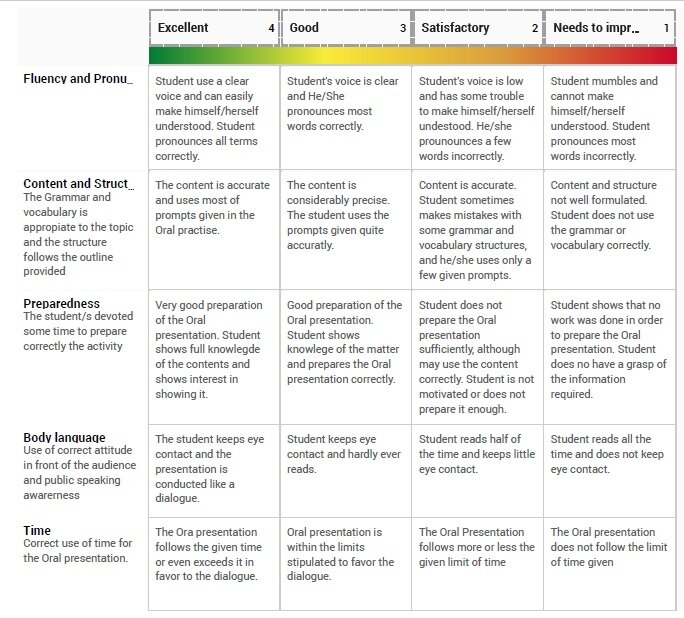
Employers are evaluating how you think and communicate, not just whether you have the 'right' answer.
First and foremost, they're looking for clarity and structure. Can you present your ideas in a logical, easy-to-follow manner? A well-organized presentation shows a well-organized mind.
They also want to see your role-specific knowledge. Your presentation should demonstrate that you understand the industry, the company’s position in it, and the challenges the role is meant to address. This is where your research pays off.
Tailoring your presentation is critical. A generic presentation that could be given to any company won't impress anyone. You need to show that you've thought specifically about this company and this role. Reference the company’s products, mention its values, or address a challenge you know it's facing.
For example, if you're applying for a marketing role at a company that values sustainability, you could structure your case study solution around an eco-friendly campaign. This shows you not only understand marketing but also that you've paid attention to the company’s culture and priorities.
What is the primary reason an employer asks a candidate to give a presentation during the hiring process?
A candidate applying for a leadership position is asked to prepare a presentation. Which format would they most likely be asked to use?
Ultimately, an interview presentation is your opportunity to prove you can do the job. By understanding what employers are looking for, you can create a presentation that highlights your strengths and shows them you’re the best candidate.