Ace Your BizOps Interview
Understanding BizOps Roles
What is BizOps?
Business Operations, or BizOps, is the team that connects a company's big-picture strategy to its day-to-day execution. Think of them as the central nervous system of an organization. They ensure all departments are working together smoothly, efficiently, and toward the same goals.
While a sales team focuses on selling and a product team focuses on building, the BizOps team looks at the entire system. They ask questions like: Are our sales and marketing efforts aligned? Do we have the right tools and processes to support our growth? Where are the bottlenecks in our operations, and how can we fix them?
Without a dedicated BizOps function, companies often struggle with inefficiency. Departments might work in silos, data gets lost or misinterpreted, and strategic plans fail to translate into real action. BizOps brings order to this potential chaos, using data and a holistic view of the business to drive smarter decisions and smoother workflows.
Essentially, BizOps helps the business run itself better. Their goal is to improve systems, not just solve one-off problems.
Core Responsibilities
The work of a BizOps professional is diverse, but it usually revolves around a few key areas.
These frameworks combine reasoning, execution, integration, and comprehension to oversee entire business processes the way a human employee would.
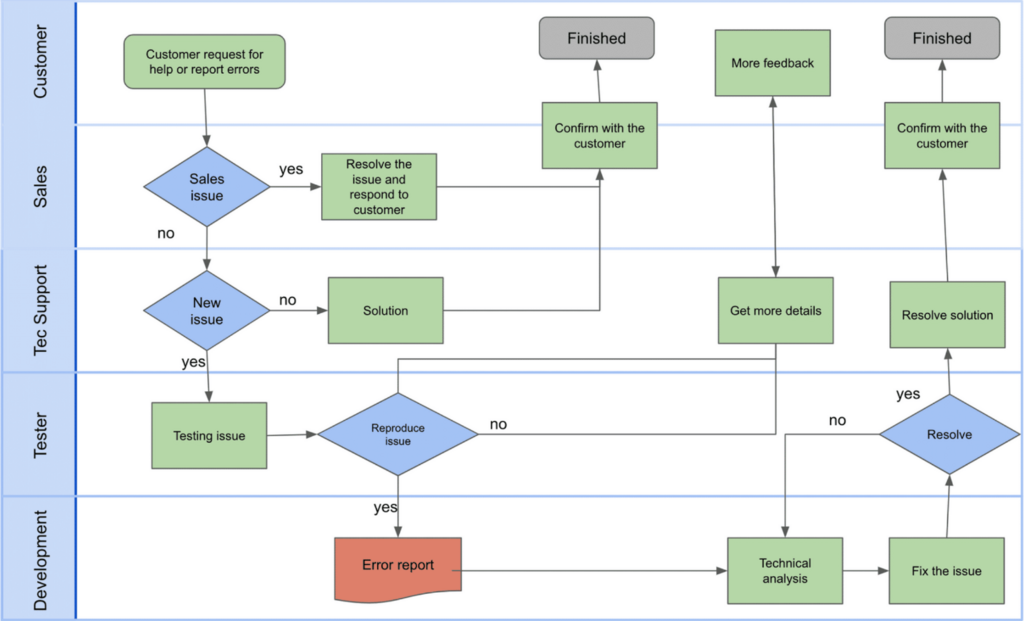
First is process improvement. This involves mapping out existing workflows, identifying inefficiencies, and designing better ways of doing things. For example, they might streamline the process for onboarding a new customer to make it faster and less error-prone.
Next is strategic planning and analysis. BizOps teams work closely with leadership to analyze new market opportunities, set company-wide goals (like quarterly objectives), and track progress. They provide the data-driven insights needed to make informed strategic bets.
Finally, they are masters of cross-functional collaboration. BizOps acts as the glue between departments like sales, finance, product, and marketing. They ensure everyone is on the same page and has the resources they need to succeed, often leading projects that require input from multiple teams.
Career Path and Key Skills
A career in BizOps can be highly rewarding, offering a unique view across the entire business. People often enter the field from backgrounds in consulting, finance, or analytics.
A typical career ladder might look like this:
| Role | Focus |
|---|---|
| BizOps Analyst | Gathers and analyzes data, builds reports, supports senior team members. |
| BizOps Associate/Manager | Manages specific projects, works with department heads, proposes improvements. |
| Senior Manager/Director | Owns major strategic initiatives, manages a team, reports to executives. |
To succeed in BizOps, you need a specific blend of skills. You're part analyst, part strategist, and part project manager.
versatile
adjective
Able to adapt or be adapted to many different functions or activities.
The most successful professionals in this field are highly versatile. They are strong analytical thinkers who are comfortable diving deep into spreadsheets and data. They can see the story behind the numbers and use it to make a compelling case for change.
But numbers aren't enough. Strong communication and interpersonal skills are crucial. BizOps professionals must be able to explain complex problems simply and build relationships across the organization to get things done. They need to be persuasive, organized, and relentlessly focused on making a tangible impact.
Ready to test your understanding? This quiz covers the key concepts we've discussed about the BizOps function.
What is the primary function of a Business Operations (BizOps) team?
A company notices that its sales and marketing teams are using different data to track customer acquisition, leading to conflicting reports and wasted effort. Which team is best suited to solve this problem?
By focusing on efficiency and alignment, BizOps provides the foundation that allows a company to scale effectively and achieve its most ambitious goals.