Ace Your Australian Software Engineering Interview
Understanding Australian Workplace Culture
It’s About the Team
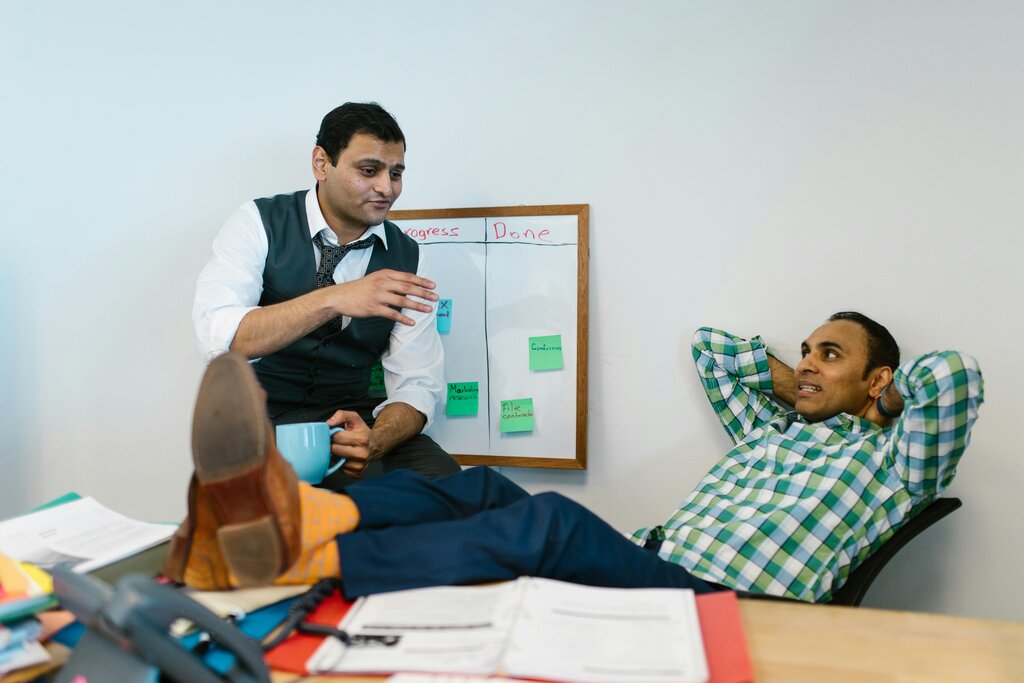
In many Australian workplaces, hierarchy takes a backseat to teamwork. While roles and responsibilities are clear, the environment is often collaborative and egalitarian. You'll likely be on a first-name basis with everyone, including senior managers. This flat structure encourages open communication, where good ideas are valued no matter who they come from.
During an interview, you might hear questions about how you collaborate or contribute to a team. This is because they're looking for someone who can slot into this group dynamic. They want to see that you can share credit, listen to others' perspectives, and work together toward a common goal without needing constant supervision.

Clocking Off Is Encouraged
Work-life balance isn't just a buzzword in Australia; it's a core part of the culture. Most software engineering roles stick to a standard 38-hour work week. Consistently working late or on weekends isn't typically seen as a sign of dedication. Instead, it might be viewed as a sign of poor time management or an unsustainable workload.
Companies expect you to work efficiently during your designated hours and then go home to enjoy your personal life. This respect for personal time extends to holidays as well. Taking your annual leave is encouraged, and you generally won't be expected to check emails or be on-call while you're away.
In many Australian offices, leaving on time isn't a sign of slacking. It’s a sign that you've managed your day effectively.
Direct, but Casual
Communication in Australia can be a unique blend of directness and informality. People generally say what they mean, but they do it in a relaxed, friendly way. Feedback is often straightforward and constructive, aimed at solving a problem rather than assigning blame. This might feel blunt if you're used to a more indirect style, but it's rarely intended to be rude.
The tone is also very casual. Workplace conversations are often sprinkled with slang, humor, and friendly banter. Don't be surprised if a meeting starts with a chat about the weekend's football game. This informal approach helps build rapport among colleagues.
| Topic | Australian Style (Direct & Casual) | Other Styles (Indirect & Formal) |
|---|---|---|
| Giving Feedback | "This code won't work because of X. Can you try fixing it this way?" | "There may be some alternative approaches to consider for this section of the code." |
| Disagreeing | "I'm not sure I agree with that approach. What if we tried...?" | "That is an interesting perspective. We might also think about..." |
| Making a Request | "Can you get that report to me by 3 PM?" | "Would it be possible for you to finish the report sometime this afternoon?" |
Punctuality is also highly valued. Arriving on time for meetings and interviews shows respect for others' time. If you're running late, a quick message to let them know is always appreciated.
Socializing is another important piece of the puzzle. It's common for teams to go out for lunch together or have drinks after work on a Friday. This is a great way to build relationships with your colleagues in a more relaxed setting. While it's usually not mandatory, participating can help you feel more connected to the team.
Ready to check your understanding of the Aussie workplace?
In a typical Australian workplace, how are ideas from junior team members generally received?
Consistently working late in an Australian office is most likely to be perceived as a sign of...
Understanding these cultural points will help you make a great impression and feel more comfortable in an Australian tech company.