Ace AI Product Manager Interviews
AI Product Management Fundamentals
What is an AI Product Manager?
An AI Product Manager (PM) is the strategic leader for products powered by artificial intelligence. They guide a product from an initial idea to a successful launch and beyond, ensuring it meets both user needs and business goals. Their role is to be the crucial link between the data science and engineering teams who build the AI, the designers who create the user experience, and the business leaders who define success.
An AI Product Manager bridges the gap between technical teams and business stakeholders, ensuring that AI products align with company goals.
Think of them as a translator. They must be able to discuss complex AI concepts with their technical team and then explain the product's value in simple, clear terms to customers, marketers, and executives. They own the product's vision, strategy, and roadmap, constantly asking: What problem are we solving with AI, and how will we know if we've succeeded?
Not Your Typical PM Role
While AI PMs share core responsibilities with traditional product managers, their world is fundamentally different. Traditional software is deterministic, meaning it behaves in predictable ways. You click a button, and the same thing happens every time. AI products, however, are probabilistic. They make predictions and decisions based on data, which introduces a level of uncertainty.
This shift from predictable features to intelligent, learning systems changes how products are built, measured, and managed.
This core difference creates several distinctions. AI development is often more experimental, relying on cycles of data collection, model training, and performance evaluation. Success isn't just about whether a feature works; it's about how accurately the AI performs, how much users trust its outputs, and how it improves over time.
| Aspect | Traditional PM | AI PM |
|---|---|---|
| Core Focus | User stories and features | Data, models, and outcomes |
| Product Behavior | Deterministic and predictable | Probabilistic and evolving |
| Data Needs | Supports features | Is the product's foundation |
| Success Metrics | User adoption, conversion rates | Model accuracy, user trust, feedback loops |
The AI Toolkit
AI PMs don't need to be data scientists, but they must be fluent in the core concepts to make informed strategic decisions. Understanding the capabilities and limitations of different AI technologies is essential for building a realistic product roadmap.
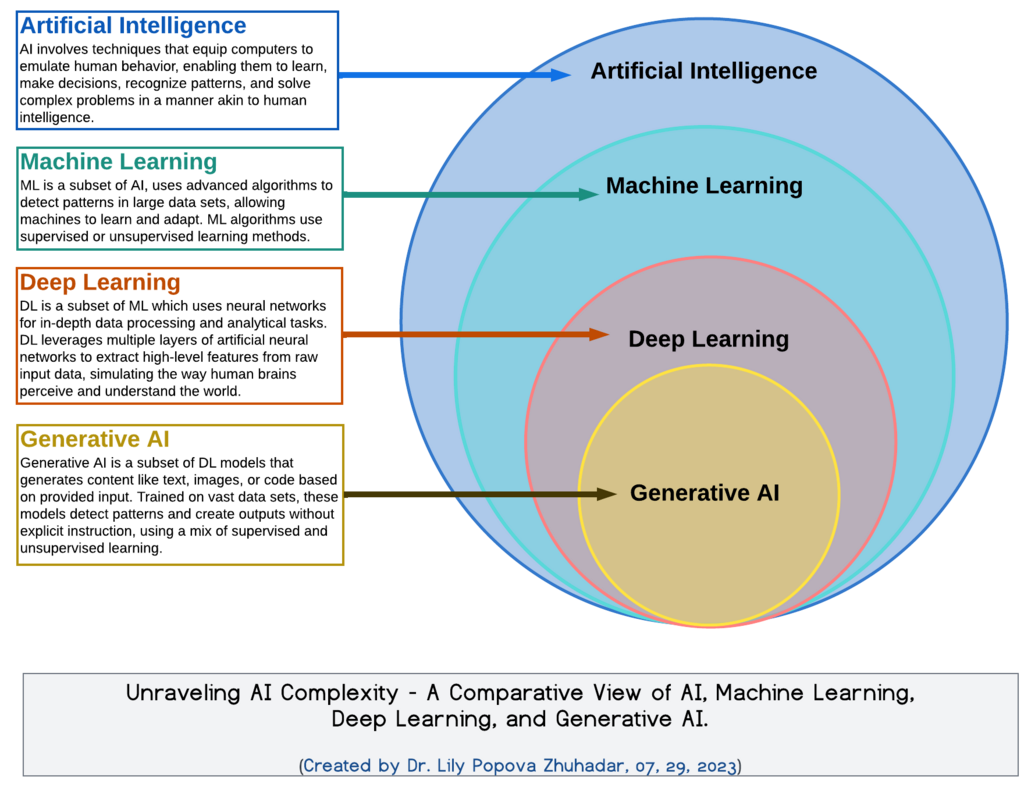
Here are some of the key technologies an AI PM works with:
- Machine Learning (ML): This is the engine behind most modern AI. It involves training systems on large datasets to recognize patterns and make predictions without being explicitly programmed for every scenario.
- Natural Language Processing (NLP): A field of AI that gives computers the ability to understand, interpret, and generate human language. It powers everything from chatbots and translation apps to sentiment analysis tools.
- Computer Vision: This allows AI to interpret and understand information from images and videos. Think facial recognition, self-driving cars, and medical imaging analysis.
- Generative AI: A newer class of models that can create original content, such as text, images, code, and music. Large Language Models (LLMs) like those from OpenAI and Anthropic are a prominent example.
Unique Challenges and Ethics
Managing AI products comes with a unique set of hurdles. One of the biggest is the "cold start" problem. An AI model is only as good as its data, but you often can't get good data until you have users. AI PMs must devise strategies to acquire initial data to train a useful model from day one.
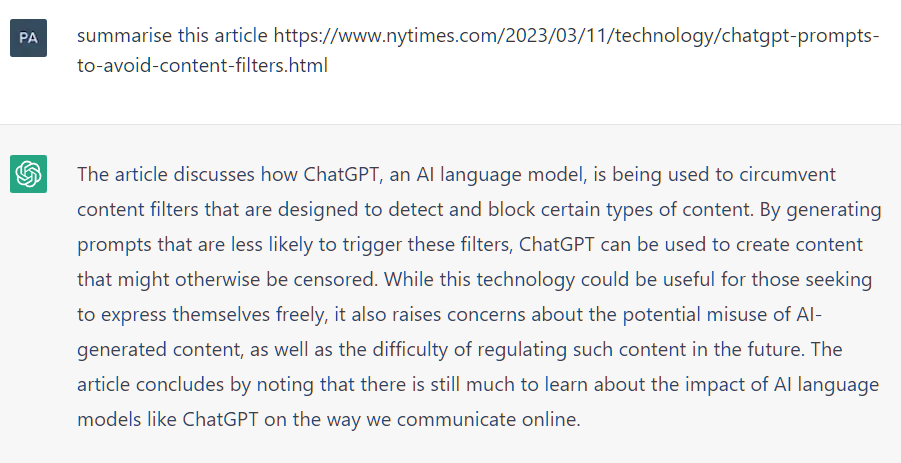
Another challenge is managing user expectations. AI is not magic. It makes mistakes, and its outputs can sometimes be unpredictable or nonsensical, a phenomenon often called "hallucination." A key part of the AI PM's job is designing an experience that builds user trust, provides avenues for feedback, and gracefully handles errors.
Beyond technical challenges, AI PMs are on the front lines of significant ethical considerations. They must constantly consider the potential for their product to cause harm.
Key ethical questions include:
- Bias: Does the training data contain biases that could lead the AI to make unfair or discriminatory decisions against certain groups?
- Transparency: Can we explain why the AI made a particular decision? This is crucial in high-stakes fields like finance and healthcare.
- Privacy: How are we collecting, storing, and using personal data? Is it secure, and are users aware of how their information is being used?
- Accountability: Who is responsible when the AI makes a mistake that causes harm?
Navigating these issues isn't just about compliance; it's about building products that are responsible, trustworthy, and beneficial to society. A great AI PM champions ethical development from the very beginning of the product lifecycle.
Time to check what you've learned.
What is the fundamental difference between products managed by an AI PM and those managed by a traditional software PM?
The challenge of needing user data to train a useful AI model, but being unable to attract users without a useful model, is known as the _______ problem.
The role of an AI Product Manager is complex and evolving, sitting at the intersection of technology, business, and ethics. It requires a unique blend of traditional product skills and a deep understanding of the possibilities and pitfalls of artificial intelligence.