Accounts Payable Fundamentals
Introduction to Accounts Payable
What Is Accounts Payable?
Think of accounts payable as a company's running tab. It's the money a business owes to its suppliers for goods or services it has received but hasn't paid for yet. When a bakery buys flour on credit or an office hires a cleaning service that bills monthly, the unpaid invoice goes into accounts payable.
Accounts Payable
noun
The total amount of short-term debt a company owes to its suppliers for goods and services purchased on credit.
In accounting, accounts payable (often abbreviated as AP) is listed as a current liability on a company's balance sheet. A liability is something the company owes. It's considered "current" because these debts are typically due within a short period, usually less than a year. This system allows businesses to get what they need now and pay for it later, which is essential for day-to-day operations.
The Role of AP in a Business
The accounts payable department is the gatekeeper for a company's outgoing cash, excluding things like payroll. Its main job is to make sure the company's bills are legitimate, accurate, and paid on time. This involves receiving invoices, verifying them against purchase orders and delivery receipts, and scheduling payments.
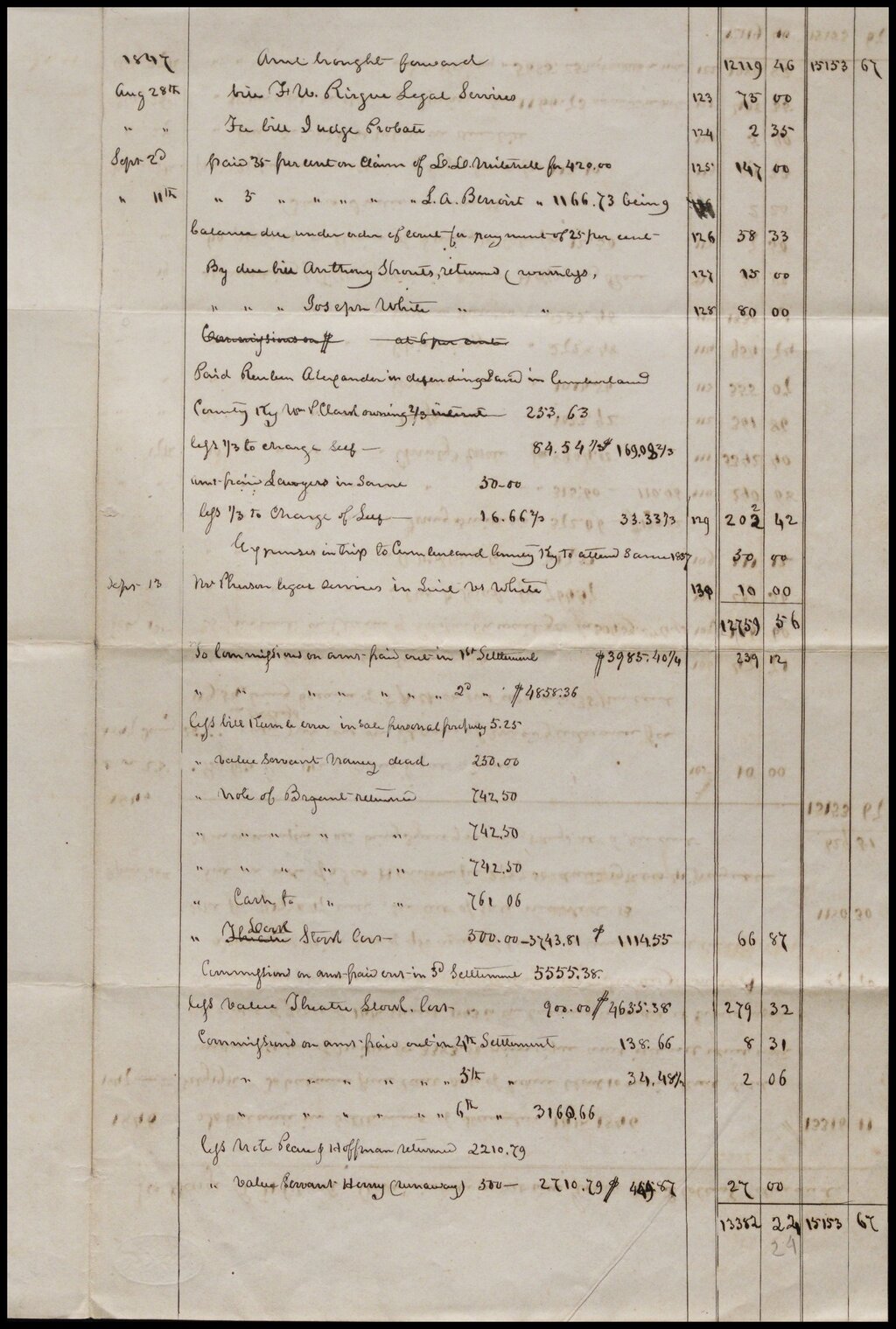
Accuracy is critical. A well-run AP process prevents overpayments, duplicate payments, and fraud. By meticulously tracking what is owed, to whom, and when it's due, the AP team provides a clear picture of the company's short-term financial obligations. This information is vital for creating accurate financial statements and making informed business decisions.
Managing Cash and Relationships
Effective AP management is a balancing act. On one hand, a company wants to hold onto its cash for as long as possible to maximize its working capital. Delaying payments until their due date keeps more money available for other immediate needs. This is a key part of cash flow management.
On the other hand, paying bills too late can damage relationships with vendors. A business relies on its suppliers. Consistently late payments can lead to penalties, loss of discounts for early payment, or even a refusal to supply essential goods or services in the future.
Timely payments build trust and goodwill with suppliers, which can lead to better pricing, more flexible payment terms, and a stronger partnership over the long term.
Imagine a restaurant that's always late paying its produce supplier. The supplier might start demanding cash on delivery or, worse, prioritize other clients, leaving the restaurant with subpar ingredients. A strong AP process ensures this doesn't happen, securing the supply chain and maintaining the company's reputation as a reliable partner.
Now that you understand the fundamentals of accounts payable, let's test your knowledge.
What does 'accounts payable' represent in business?
On a company's balance sheet, accounts payable is classified as a:
Understanding accounts payable is the first step in seeing how a business manages its financial obligations and relationships.