Accounting Process and Cycle Mastery
Accounting Process Overview
What is the Accounting Cycle?
Think of a company's financial life as a collection of stories. Every sale, every purchase, and every payment is a small event in a larger narrative. The accounting cycle is the process accountants use to gather these stories, organize them, and present them in a clear, standardized way. It’s a systematic, step-by-step method for turning raw financial data into meaningful reports.
The accounting cycle, also commonly referred to as accounting process, is a series of procedures in the collection, processing, and communication of financial information.
This cycle ensures that a company's financial records are consistent, accurate, and comparable over time. It typically runs for a specific period, like a month, quarter, or year. At the end of the period, the cycle completes, and the financial statements are produced. Then, it starts all over again for the next period.
The Steps in the Cycle
The accounting cycle is a logical progression that moves from individual transactions to a complete picture of a company's financial health. While the details can get complex, the overall flow is straightforward.
Let's walk through what each of these steps means.
Identify and Analyze Transactions: This is the starting point. Accountants identify events that have a financial impact on the business. Did the company sell a product? Pay an employee? Buy new equipment? Each transaction is analyzed to see how it affects the company's financial position.
Once a transaction is identified, it's time to record it.
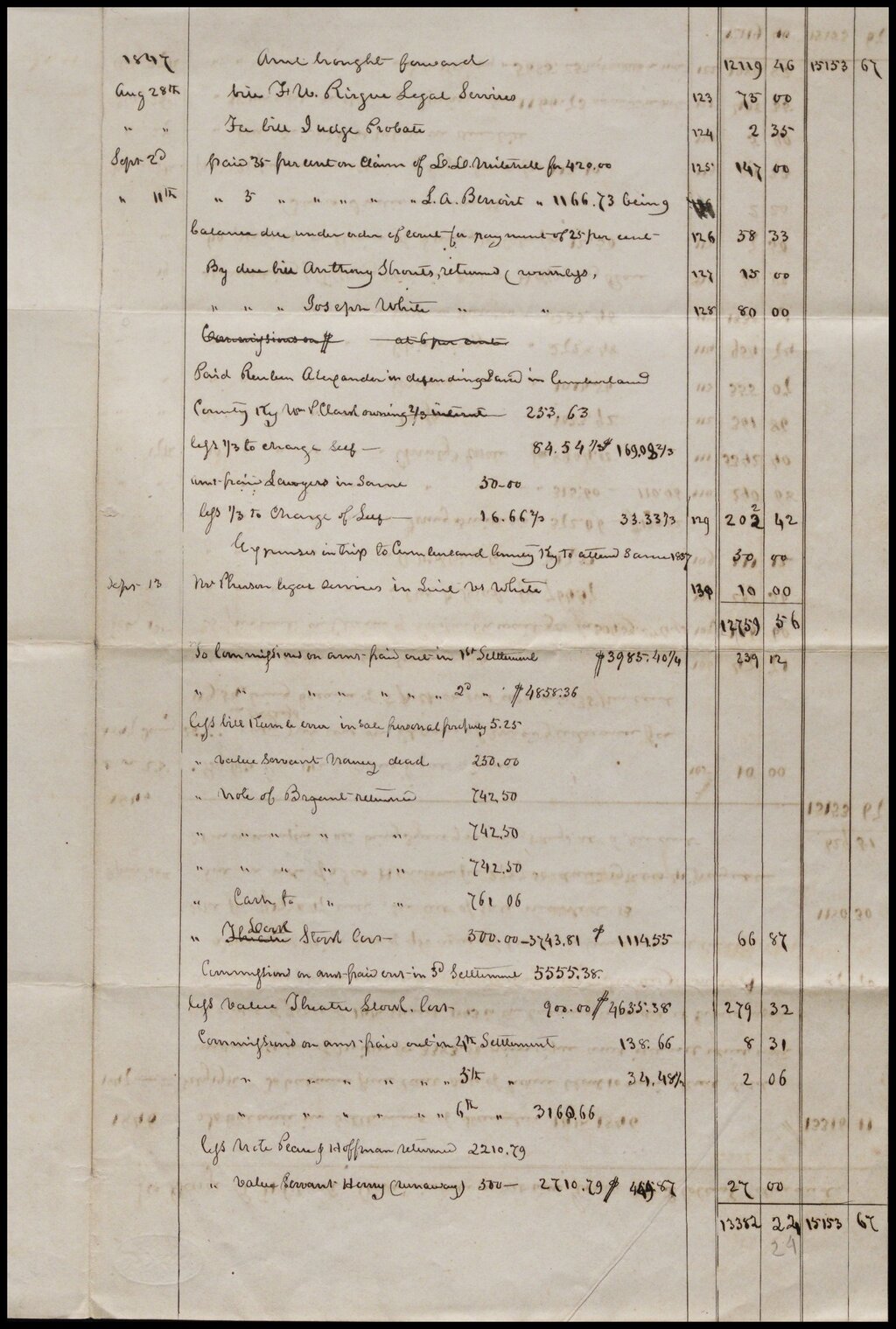
Record in a Journal: Transactions are first recorded chronologically in a journal. Think of the journal as a financial diary. It's the first place each transaction is written down, capturing the date, the accounts involved, and the amounts.
With transactions logged in the journal, the next step is to organize them.
Post to the Ledger: Information from the journal is transferred, or 'posted,' to a ledger. The ledger isn't chronological; it's organized by account. All transactions affecting the 'Cash' account are grouped together, all those affecting 'Sales' are grouped together, and so on. This makes it easy to see the balance of any single account.
After everything has been posted, it’s time for a quick check-in.
Prepare a Trial Balance: A trial balance is a list of all the accounts from the ledger and their balances. Its primary purpose is to check that the total debits equal the total credits in the system. If they don't, it signals that an error was made somewhere in the recording or posting process.
Not all financial events happen in neat, single transactions. Some changes occur over time.
Make Adjusting Entries: At the end of the period, accountants make adjusting entries to account for things like accrued expenses (bills that have been incurred but not yet paid) or prepaid revenues. These adjustments ensure that the financial statements reflect the company's performance for the period accurately.
Finally, with all the data recorded, organized, and adjusted, it's time for the main event.
Prepare Financial Statements: This is the culmination of the entire cycle. The adjusted account balances are used to prepare the key financial statements: the income statement, the balance sheet, and the statement of cash flows. These reports summarize the company's performance and financial position for internal and external stakeholders.
Why It Matters
Following the accounting cycle isn't just about following rules. It's a fundamental process that creates order out of financial chaos. Each step builds on the last, ensuring that the final financial statements are reliable and based on a complete record of the company's activities.
Without this structured process, financial reporting would be inconsistent and prone to errors, making it nearly impossible for managers, investors, and lenders to make informed decisions. The cycle provides the framework that makes accounting the language of business.
What is the primary purpose of the accounting cycle?
After transactions are first recorded in a journal, what is the immediate next step in the accounting cycle?
This overview introduces the key rhythm of accounting. Understanding this flow is the first step to making sense of how financial information is processed and communicated.