Accounting for AI Subscriptions
Introduction to AI Subscription Business Models
The AI Business Model
Many AI companies don't sell their software like a physical product you buy once and own forever. Instead, they sell access. You pay a recurring fee to use the service, much like subscribing to a streaming platform for movies or music. This approach is called Software as a Service, or SaaS.
Software as a Service (SaaS)
noun
A software licensing and delivery model in which software is licensed on a subscription basis and is centrally hosted. It is sometimes referred to as 'on-demand software'.
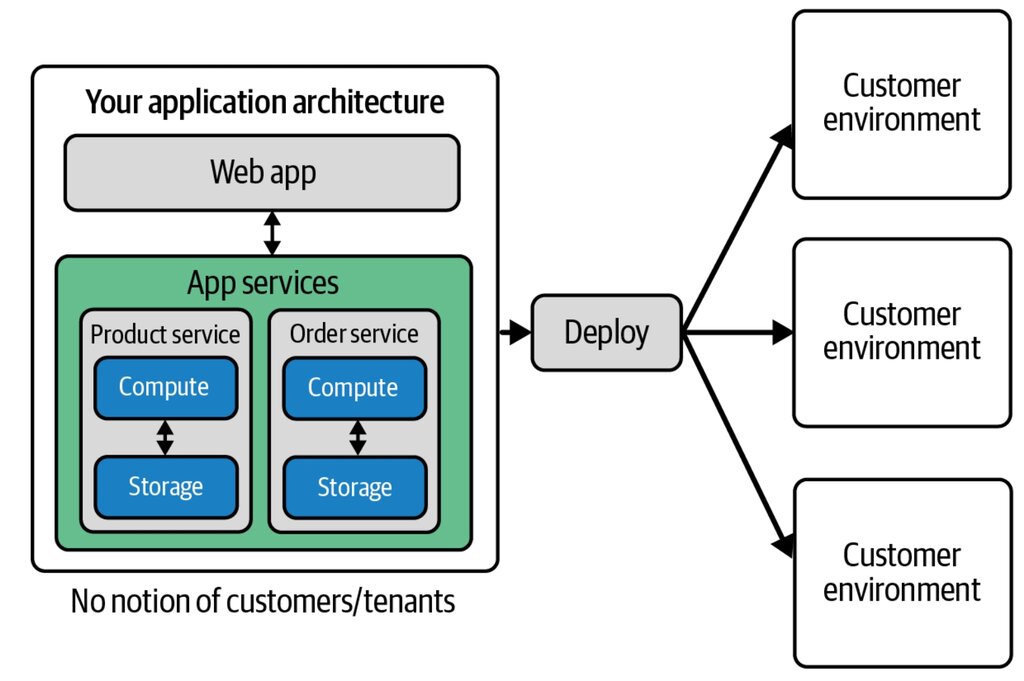
In a SaaS model, the AI provider manages everything: the software, the servers it runs on, and all the updates. You, the customer, just need an internet connection to access the powerful tools they've built. This eliminates the need for businesses to invest in expensive hardware or manage complex software installations themselves.
Think of it as the difference between buying a DVD and subscribing to Netflix. With the DVD, you make a one-time purchase and own that specific version of the movie forever. With Netflix, you pay a monthly fee for access to a vast, constantly updated library. Most AI companies have found the Netflix model works much better.
The Power of Predictability
The subscription model is powerful because it creates recurring revenue. Instead of relying on a series of unpredictable one-time sales, the company builds a steady, predictable stream of income. Every month or year, they know roughly how much money will be coming in from existing subscribers.
For software providers, SaaS offers a recurring revenue model, providing more stability and predictable cash flow compared to one-time software sales.
This financial stability is a massive strategic advantage, especially in the fast-moving field of artificial intelligence. AI models require constant research, development, and training, all of which are incredibly expensive. Predictable revenue from subscriptions allows companies to fund this continuous innovation without having to constantly chase the next big sale. It transforms the financial landscape from a rollercoaster of high and low sales months to a steady, upward climb.
Strategic Benefits
Beyond financial stability, the subscription model fosters a stronger, ongoing relationship with customers. Because the company's success depends on keeping subscribers happy, they are incentivized to continuously improve the product, offer excellent support, and roll out new features. The goal shifts from simply making a sale to delivering long-term value.
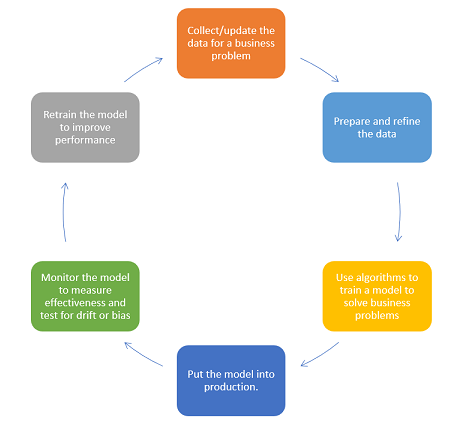
This creates a virtuous cycle. The AI company invests its recurring revenue into making the product better. As the product improves, customers are more likely to stick around, and new users are more likely to sign up. This, in turn, generates more revenue for further investment.
Ultimately, the SaaS model allows AI companies to scale more effectively. It lowers the barrier to entry for customers, who can start using sophisticated AI tools for a small monthly fee instead of a large upfront investment. This makes powerful AI accessible to a wider range of businesses, fueling growth for both the provider and its clients.