Accessible Greece
Accessibility Terminology
Core Accessibility Concepts
When we talk about accessibility, we're talking about designing spaces, products, and services so that people with disabilities can use them. It’s about removing barriers. Think of a building with only stairs at the entrance. For someone in a wheelchair, that's a barrier. Adding a ramp removes that barrier and makes the building accessible.
Universal design takes this idea a step further. It's the practice of creating things that are inherently usable by as many people as possible, without needing special adaptations. A great example is a curb cut on a sidewalk. It's essential for someone using a wheelchair, but it also helps a parent pushing a stroller, a traveler pulling a suitcase, or a delivery person with a dolly.
Designing for accessibility benefits everyone, not just those with disabilities.
This approach proactively includes people, rather than retrofitting solutions later. It's a mindset that leads to more elegant and inclusive designs from the start.
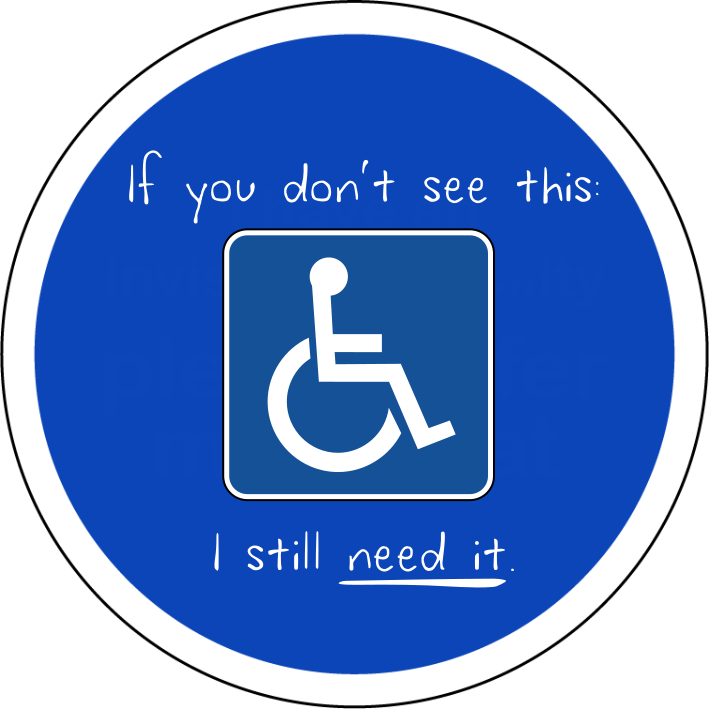
Understanding Different Needs
To create truly accessible environments, it helps to understand the types of challenges people might face. These are often grouped into broad categories, though many people may experience a combination of them.
Mobility Impairment
noun
A condition that affects a person's ability to move their body. This can range from needing a wheelchair or walker to having difficulty with stairs or long distances.
Visual impairments affect a person's sight, ranging from low vision to total blindness. Features like tactile paving on sidewalks, Braille on signs, and audio announcements on public transit are designed to assist people with visual impairments.
Auditory impairments relate to hearing, from partial hearing loss to complete deafness. Solutions include hearing loops in public venues, visual fire alarms, and the use of sign language interpreters.
Cognitive impairments affect a person's ability to process information. This can include learning disabilities, memory loss, or developmental conditions. Clear signage with simple icons, predictable layouts in buildings, and easy-to-read instructions are examples of design that helps with cognitive accessibility.
Understanding these categories isn't about labeling people, but about recognizing different needs so we can build a world that works for everyone.
Key Terms in Greek
When navigating Greece, knowing the local terms for accessibility can be incredibly helpful. It allows you to ask for assistance, understand signage, and communicate your needs more effectively. Here are some of the most important words and phrases.
Accessibility
This is the general term you'll see used for anything related to accessibility.
Wheelchair
Knowing this term can help when asking about access for wheelchair users.
| English Term | Greek Term | Pronunciation |
|---|---|---|
| Disability | Αναπηρία | Anapiría |
| Universal Design | Καθολικός Σχεδιασμός | Katholikós Schediasmós |
| Ramp | Ράμπα | Rampa |
| Elevator / Lift | Ανελκυστήρας | Anelkystíras |
| Braille | Γραφή Μπράιγ | Grafí Braille |
| Sign Language | Νοηματική Γλώσσα | Noimatikí Glóssa |
Now, let's test your knowledge of these essential terms.
What is the primary goal of accessibility?
A curb cut on a sidewalk is often cited as a classic example of universal design. Why?
Familiarizing yourself with this vocabulary is the first step toward understanding and navigating the world with accessibility in mind, both at home and abroad.