Accessible GOV.UK Word Documents
GOV.UK Accessibility Standards
The GOV.UK Standard
When a government department or public sector body in the UK publishes something online, it must follow a specific set of rules. These are the GOV.UK accessibility standards. Their purpose is simple: to make sure that everyone can access and understand public information, regardless of their abilities.
This isn't just a suggestion or a best practice. It’s a legal requirement designed to remove barriers. Think of it like adding a ramp to a public building. Just as a physical ramp provides access for people with mobility challenges, digital accessibility features provide access for people with visual, hearing, motor, or cognitive impairments.
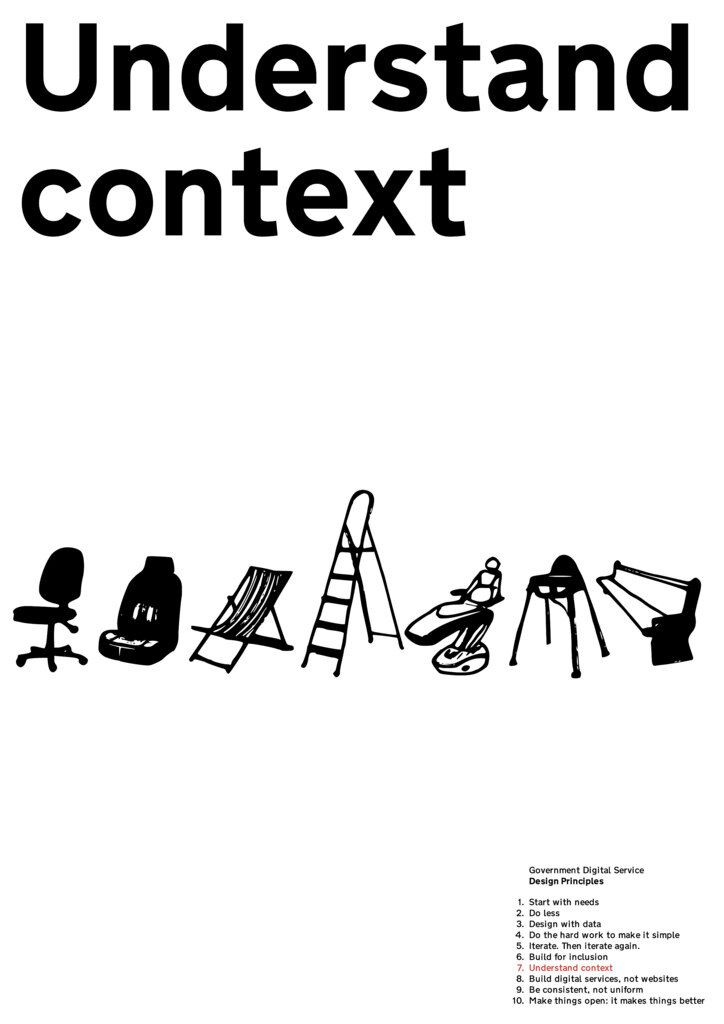
The standards ensure that everything from policy papers to online forms can be used by the widest possible audience.
The Law Behind the Standards
The core legal requirement comes from a law with a rather long name: The Public Sector Bodies (Websites and Mobile Applications) (No. 2) Accessibility Regulations 2018.
Let's break down what this law actually does. It legally mandates that all public sector bodies make their websites and mobile apps, including the documents they host, accessible. This means they must meet a specific, internationally recognised standard known as the Web Content Accessibility Guidelines (WCAG) 2.1 at the AA level.
If it's published by a public body, it must be perceivable, operable, understandable, and robust for everyone.
This legislation changed the landscape for digital public services. It moved accessibility from a 'nice-to-have' feature to a legal necessity. Public bodies are required to publish an accessibility statement, explaining how accessible their site is, and they must have a plan to fix any issues.
More Than Just Compliance
Meeting legal standards is one thing, but the drive for accessibility is also an ethical one. It's about fairness and inclusion. When information is inaccessible, it effectively excludes people from participating fully in society. It can prevent someone from applying for a benefit, understanding a new law, or accessing a critical public service.
Accessibility isn’t just about compliance with legal standards or ticking boxes on a checklist.
Creating accessible documents has benefits that extend to all users, not just those with a registered disability. For example, a document with a clear heading structure is easier for everyone to skim and navigate. Clear and simple language helps people who are in a hurry, are stressed, or are reading on a small screen.
Captions on a video help someone with a hearing impairment, but they also help a person watching on a noisy train or in a quiet library. A well-structured document that works for a screen reader is also easier for search engines to index, making the information easier to find for all.
Ultimately, adhering to these standards isn't about avoiding legal trouble. It's about a commitment to serving the entire public equally.
What is the primary legal purpose of the GOV.UK accessibility standards?
According to the regulations, which specific technical standard must UK public sector websites and apps meet?