Accessible Bathroom Cost Estimation
Understanding Universal Design
What is Universal Design?
You’ve probably heard terms like “accessible design” or “aging-in-place.” Universal design is a related, but much broader, idea. It isn’t about creating special features for one group of people. Instead, it’s about designing products and spaces that are usable by everyone, regardless of their age, size, or ability.
Think of a curb cut on a sidewalk. It’s essential for someone in a wheelchair, but it also helps a parent pushing a stroller, a traveler pulling a suitcase, or a kid on a skateboard. That’s universal design in action—a single solution that benefits many.
When applied to a bathroom, this means creating a space that works for a child, a tall adult, an older person with stiff joints, or someone recovering from a sports injury. It’s about being proactive, not reactive. Rather than adding grab bars after a fall, a universally designed bathroom anticipates needs and builds in support from the start, often in ways that are stylish and invisible.
The Seven Principles
Universal design is guided by seven core principles. They act as a framework for creating spaces that are truly intuitive, safe, and welcoming for the widest possible range of people.
| Principle | What It Means | Bathroom Example |
|---|---|---|
| Equitable Use | The design is useful to people with diverse abilities. | A walk-in shower with a zero-threshold entry. Everyone can use it easily, without needing to step over a barrier. |
| Flexibility in Use | The design accommodates a wide range of preferences and abilities. | An adjustable-height showerhead on a sliding bar. It works for a tall adult, a shorter person, or someone sitting on a shower bench. |
| Simple and Intuitive | The design is easy to understand, regardless of the user's experience or language skills. | Lever-style handles on faucets and doors. Their function is obvious—push the lever—unlike some round knobs that can be hard to grip and turn. |
| Perceptible Information | The design communicates necessary information effectively, using different modes (visual, tactile). | Hot and cold water controls that are color-coded (red/blue) and have distinct shapes or textures, making them identifiable by sight and touch. |
| Tolerance for Error | The design minimizes hazards and the negative consequences of accidental actions. | A pressure-balanced shower valve that prevents sudden, scalding bursts of hot water if a toilet is flushed elsewhere in the house. |
| Low Physical Effort | The design can be used efficiently and comfortably with minimum fatigue. | Touchless faucets or soap dispensers that activate with a simple wave of the hand, requiring no gripping or pushing. |
| Size and Space | The design provides appropriate size and space for approach, reach, and use. | A wider doorway (at least 36 inches) and an open floor plan that provides enough room to maneuver, even with a walker or wheelchair. |
More Than Just Meeting Code
Meeting accessibility standards, like those in the Americans with Disabilities Act (ADA), is a legal requirement for public spaces. It sets a minimum baseline. Universal design, however, is a philosophy. It aims higher by focusing on creating a seamless experience for everyone, not just checking boxes on a compliance form.
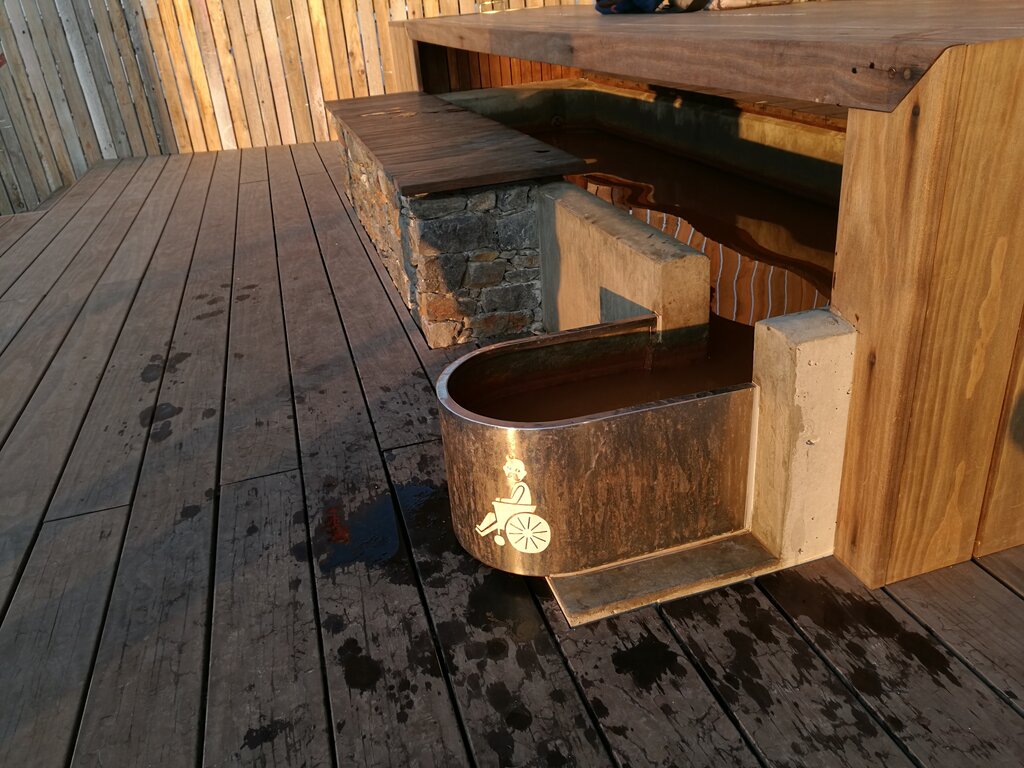
A bathroom can be technically ADA-compliant but still feel clinical or awkward. A universally designed bathroom, on the other hand, feels natural. The supportive features are so well-integrated that you might not even notice them—but they are there when you need them. It’s about good design, period. This approach creates a space that not only functions better but also feels more welcoming and can adapt to your changing needs throughout life.
What is the primary goal of universal design?
True or False: A bathroom that is fully ADA-compliant is automatically considered a universally designed space.