Accelerating LLM Inference on GPUs
Introduction to Large Language Models
What Are Large Language Models?
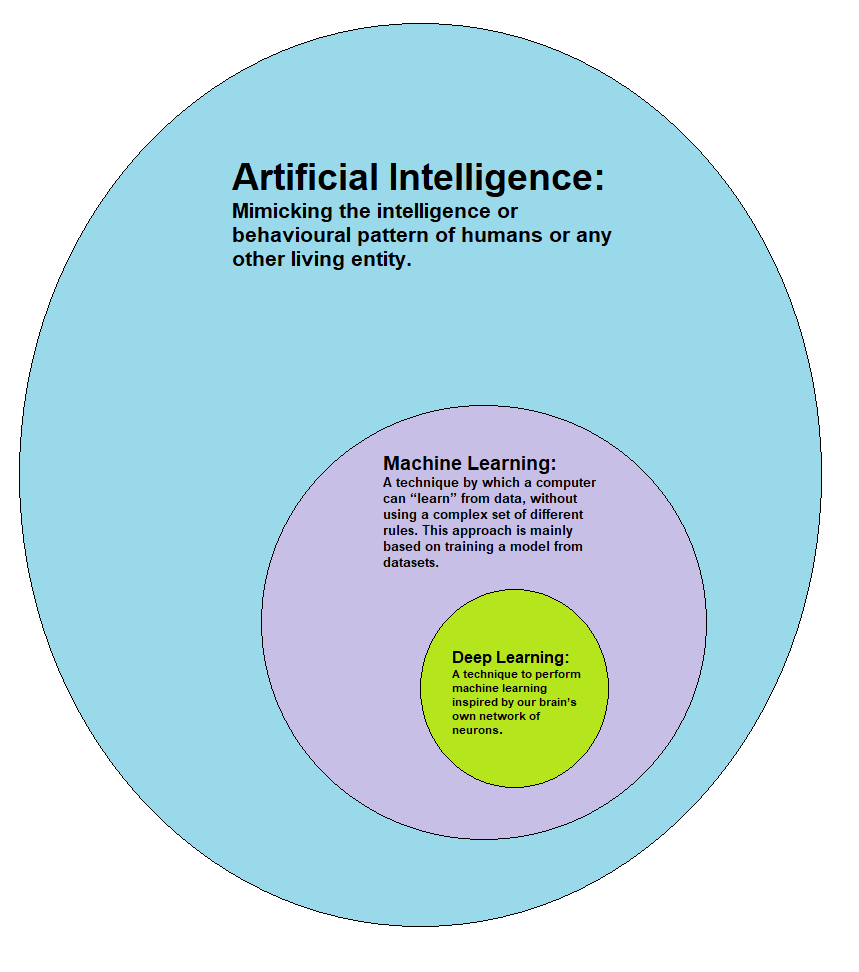
A Large Language Model, or LLM, is a type of artificial intelligence that can understand and generate human-like text. Let's break down the name.
Language Model: At its heart, it's a predictive tool. Given a sequence of words, its main job is to guess the next most likely word. If you give it "The cat sat on the...", it might predict "mat" or "couch." By doing this over and over, it can write entire paragraphs.
Large: This refers to two things: the immense amount of text data it learns from (think a huge portion of the internet) and the model's size, measured in "parameters."
Parameter
noun
In machine learning, a parameter is a variable that the model uses to make predictions. During training, the model adjusts its parameters to improve its accuracy. Think of them as internal knobs and dials that are tuned to capture the patterns in the data.
Before LLMs, language models existed, but they were much simpler. Older models like Recurrent Neural Networks (RNNs) could only remember short contexts. They would often forget the beginning of a long sentence by the time they reached the end. LLMs, built on a newer architecture, overcame this limitation, allowing them to grasp context and nuance over thousands of words.
The Transformer Architecture
The breakthrough that enabled modern LLMs was the Transformer architecture, introduced in a 2017 research paper. Its key innovation is a mechanism called self-attention.
Imagine reading this sentence: "The robot picked up the heavy wrench because it was strong." Your brain instantly knows "it" refers to the robot, not the wrench. Self-attention gives the model this same ability. As it processes text, it can weigh the importance of different words in the input and figure out how they relate to each other, no matter how far apart they are. This is how LLMs maintain long-range context.
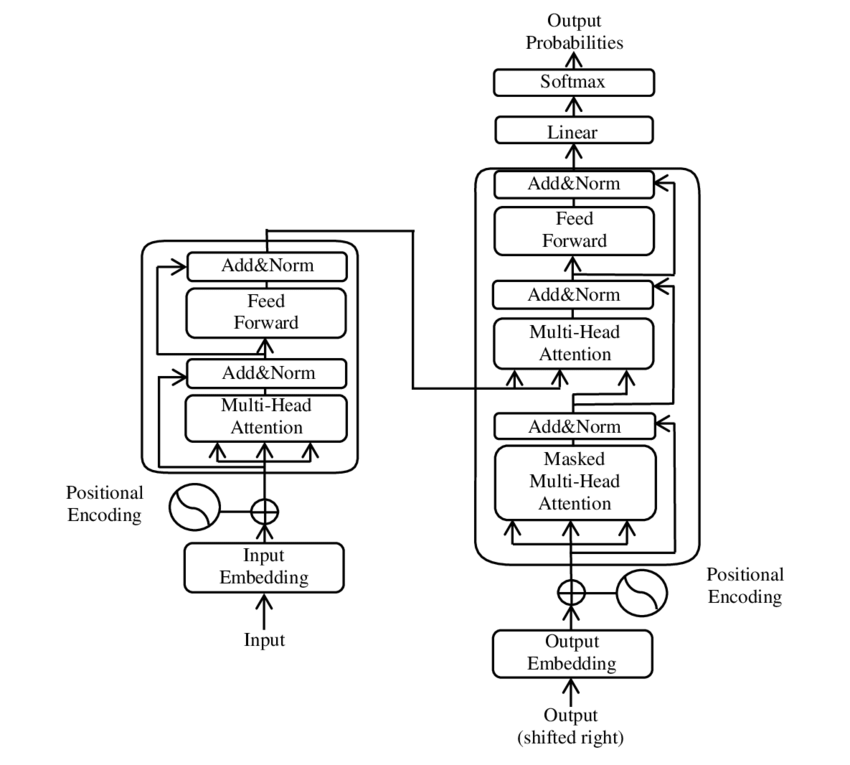
The Transformer architecture generally has two main parts:
- The Encoder: This part reads the input text and builds a rich, numerical representation of its meaning. It's like reading a paragraph for understanding before you try to summarize it.
- The Decoder: This part takes the encoder's representation and generates the output text, one word at a time. For each new word, it looks back at the input's meaning and the words it has already written to decide what should come next.
This two-part structure is excellent for tasks like translation, but some models might only use one part. For example, models focused purely on understanding text might just use an encoder, while models focused on text generation might use only a decoder.
Deployment Challenges
For all their power, LLMs are not easy to deploy and run. Their massive size creates significant hurdles.
The same thing that makes LLMs powerful, their enormous number of parameters, also makes them difficult to work with.
First, there's the computational demand. Running an LLM requires a huge amount of processing power and memory. The model's parameters, which can number in the billions, all need to be loaded into a computer's memory to be used. This often requires specialized, expensive hardware with multiple GPUs (Graphics Processing Units) working together.
Second is the issue of scalability. Imagine a popular application powered by an LLM, like a chatbot used by millions of people. Every single user query requires a resource-intensive calculation. Serving all those requests simultaneously without long delays is a major engineering challenge. As models get bigger and more powerful, these problems only grow.
Understanding these challenges is key to appreciating why so much work goes into finding more efficient ways to run these powerful models. Making LLMs faster and more accessible is a critical step in bringing their benefits to more applications.