Accelerating Chronic Disease Surveillance with Insurance Claims Data
Introduction to Health Insurance Claims Data
What Is a Health Insurance Claim?
When you visit a doctor, you show your insurance card, maybe pay a small fee, and then go about your day. But behind the scenes, a crucial process kicks off. Your doctor's office sends a bill to your insurance company. This isn't just any bill; it's a formal request for payment called a health insurance claim.
A health insurance claim is a detailed invoice that a healthcare provider submits to an insurer to get paid for services rendered to a patient.
Think of it as the official record of your visit. It tells the insurer who you are, which doctor you saw, why you saw them, what they did, and how much it cost. This data, aggregated from millions of patient visits, creates a massive and powerful resource for understanding health trends.
The Anatomy of a Claim
A single claim contains a wealth of standardized information. It's more than just a request for money; it's a story of a healthcare event, told in data. Each piece of the claim provides a clue about the patient's health journey.
| Component | Description | Example |
|---|---|---|
| Patient Demographics | Basic information about the patient. | Age, gender, location (ZIP code) |
| Provider Information | Details about the doctor or facility. | Name, specialty, location |
| Dates of Service | When the care was provided. | 2023-10-26 |
| Diagnosis Codes (ICD) | Codes that specify the patient's condition. | J45.909 (Unspecified asthma) |
| Procedure Codes (CPT/HCPCS) | Codes that describe the service performed. | 99213 (Office visit, established patient) |
| Costs | The financial details of the service. | Billed amount, paid amount, copay |
Diagnosis and procedure codes are the universal language of healthcare billing. Codes like ICD-10 (International Classification of Diseases, 10th Revision) and CPT (Current Procedural Terminology) allow providers and insurers to communicate efficiently and accurately. For analysts, these codes are the key to unlocking patterns in the data.
From Doctor's Office to Database
The journey of a claim is a multi-step process that transforms a patient visit into a structured data point. It begins the moment a provider submits the claim, usually electronically.
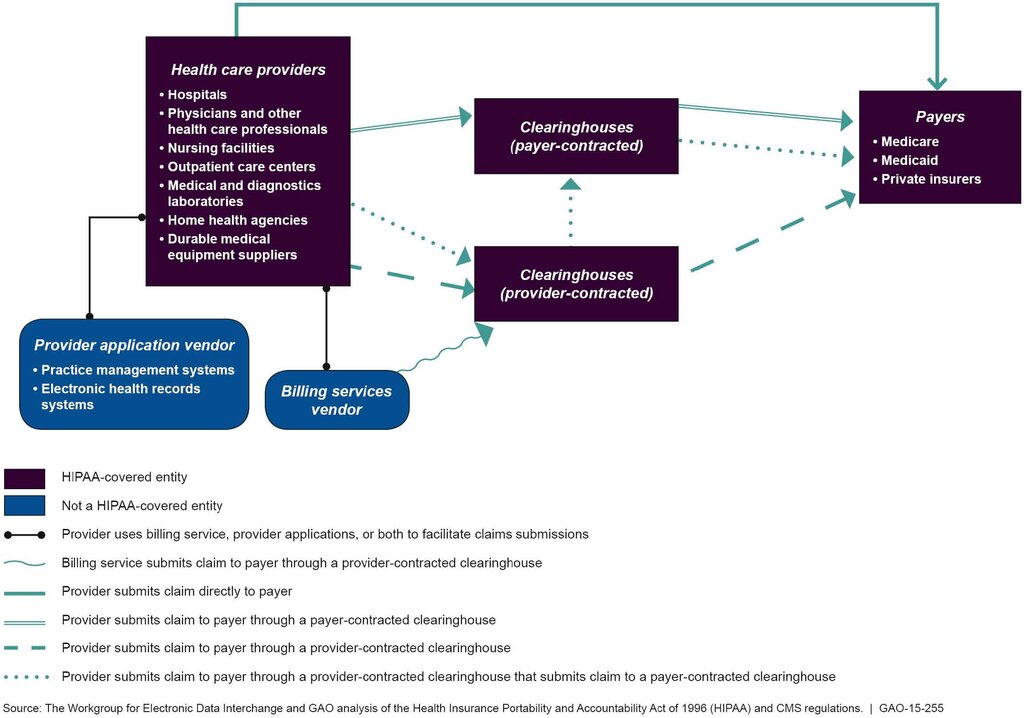
The claim often goes through a third-party service called a clearinghouse, which formats it to meet the insurer's standards. Once the insurer receives the clean claim, they begin a process called adjudication. During adjudication, the insurer verifies the patient's eligibility, checks if the service is covered under the plan, and determines the payment amount based on their contract with the provider.
After payment, the claim data is stored in large databases. This process happens for every type of healthcare encounter, creating three main categories of claims data.
Medical Claims: Generated from visits to doctors, specialists, hospitals, and labs. Pharmacy Claims: Created when a prescription is filled. Dental Claims: For services like cleanings, fillings, and oral surgery.
A Powerful Tool for Public Health
Why is this data so important? Because when collected and analyzed responsibly, claims data provides a wide-angle view of a population's health. Public health officials, researchers, and policymakers use this data to answer critical questions:
- How many people in a state have diabetes?
- Are flu rates higher this year than last year?
- Which communities have the highest rates of asthma-related emergency room visits?
- Is a new public health program successfully reducing hospital admissions?
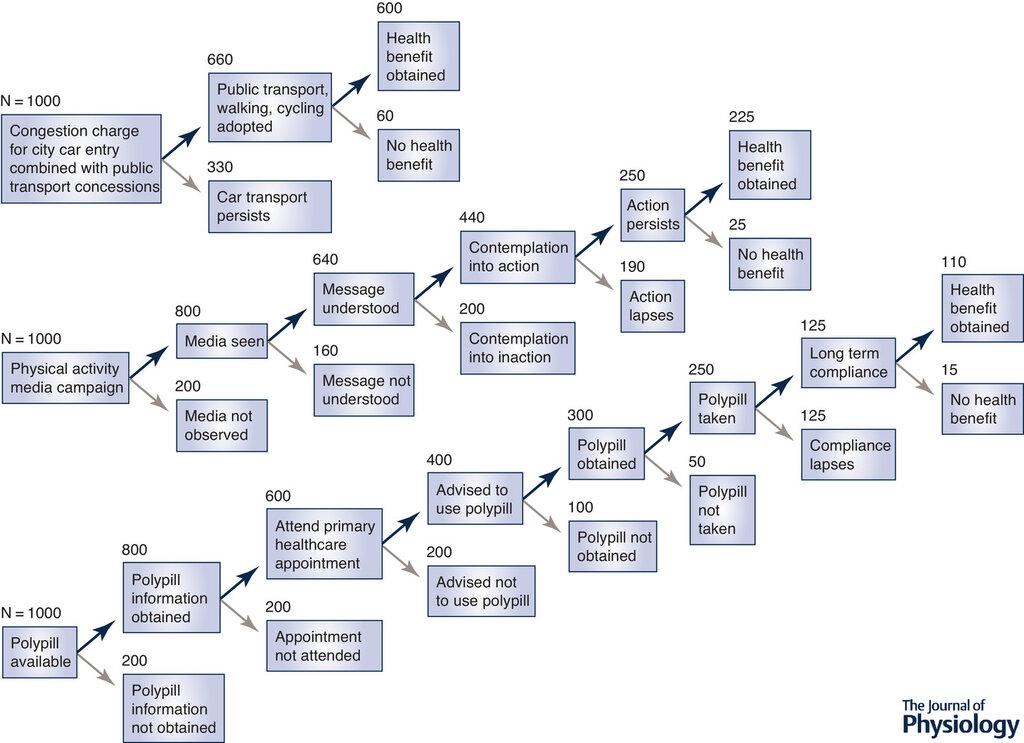
By tracking disease trends and treatment patterns, claims data helps leaders make informed decisions. It can guide where to invest public health resources, how to design interventions, and how to measure the effectiveness of health policies. It turns millions of individual healthcare stories into a single, powerful narrative about the health of our communities.
What is the primary purpose of a health insurance claim?
What is the process called when an insurer reviews a claim to verify eligibility, check for coverage, and determine the payment amount?