Accelerated PRINCE2 Foundation Mastery
PRINCE2 Principles
The PRINCE2 Principles
PRINCE2 is built on a set of seven core principles. Think of them not as rigid rules, but as the guiding mindset for managing a project successfully. These principles are universal and can be applied to any project, regardless of its size or complexity. They provide the foundation for the entire methodology.
Seven principles are the basis for PRINCE2 methodology.
Justify the Project
The first principle is Continued Business Justification. This means there must be a clear, valid, and ongoing reason for the project's existence. It’s not enough to justify it at the start; the justification must be reviewed at key points throughout the project's life.
Imagine a company decides to build a new mobile app to sell its products. The business justification is to increase sales by 15%. Halfway through development, a major competitor releases a similar, more advanced app for free. The project's original justification is now in question. Is it still worth investing time and money? This principle forces the project team to ask that tough question at every stage. If the answer is no, the project should be stopped or changed.
A project without a valid business case is a project without a purpose.
Learn and Define
Next up are two principles that work hand-in-hand: learning from the past and clarifying the present.
Learn from Experience
other
PRINCE2 project teams are expected to learn from previous projects. They don't start from scratch every time. Lessons are sought, recorded, and acted upon throughout the project's lifecycle.
This learning isn't just about what went wrong. It's also about what went right. This knowledge is captured in a Lessons Log. For example, a previous project might have discovered a particularly effective way to communicate with stakeholders. The current project can adopt that successful technique from day one.
The third principle is Defined Roles and Responsibilities. In a PRINCE2 project, everyone should know what they are responsible for and what is expected of others. This creates a clear structure for accountability and communication. There's no room for guessing who is supposed to do what.
This structure ensures that the interests of the business, the users, and the suppliers are all represented at the highest level (the Project Board), while the Project Manager has the authority to run the project on their behalf.
Control the Project
PRINCE2 provides a framework for maintaining control without micromanaging. This is achieved through three interconnected principles.
| Principle | What It Means |
|---|---|
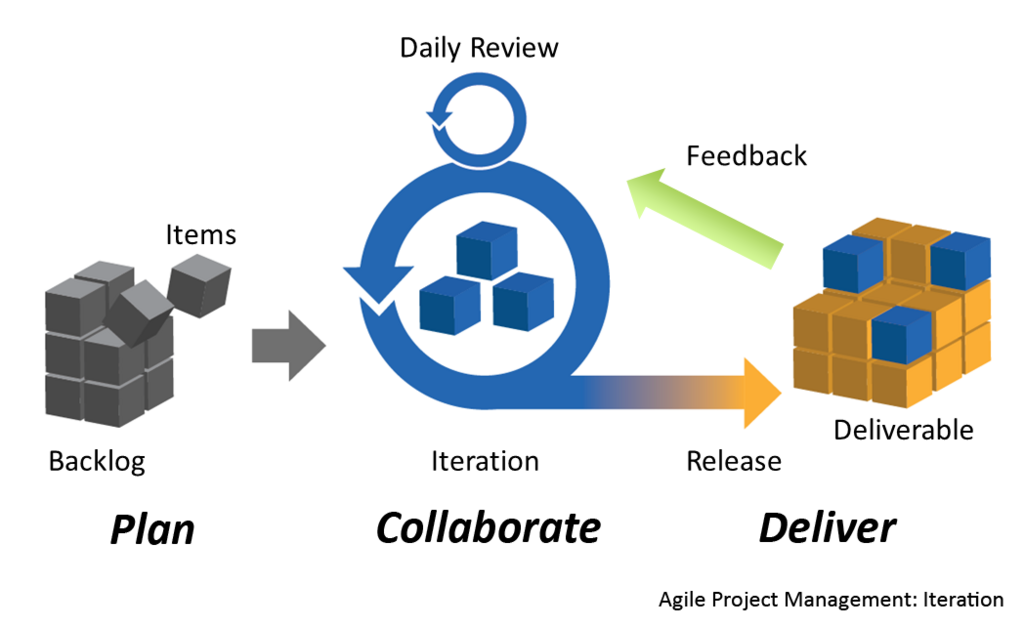
| Manage by Stages | Projects are broken down into smaller, manageable stages. This allows the Project Board to review progress at the end of each stage and decide whether to proceed with the next one. |
| Manage by Exception | The Project Board sets limits for cost, time, scope, quality, risk, and benefits. The Project Manager has the authority to work within these limits (called 'tolerances'). They only need to alert the board if a tolerance is predicted to be exceeded. This is an 'exception'. |
| Focus on Products | The project is focused on defining and delivering products, including their quality requirements. A project is successful if it delivers the products that meet the agreed-upon criteria. |
Let's see how these work together. A project to organize a conference is broken into stages: Venue Selection, Speaker Confirmation, and Event Execution. The Project Board approves the plan and budget for the Venue Selection stage.
The Project Manager has a budget tolerance of 10%. As long as they secure a venue within the budget + 10%, they don't need to go back to the board. If the only suitable venue is 15% over budget, this is an exception, and they must escalate the decision.
Throughout this process, the focus is on the products: a signed venue contract, a confirmed speaker list, promotional materials. The project's success is measured by the quality of these deliverables.
Tailor to the Environment
The final principle is Tailor to Suit the Project. PRINCE2 is not a one-size-fits-all solution. It is designed to be adapted to the specific needs of the project environment, size, complexity, and risk.
A small, low-risk internal project might have a very informal project board and simple documentation. A large, complex public infrastructure project, on the other hand, would require a more formal structure, detailed reporting, and rigorous controls.
The key is to apply the principles in a way that is appropriate for the work being done. The methodology serves the project, not the other way around.
One of PRINCE2's greatest strengths is its adaptability.
Understanding these seven principles is the first step to mastering the PRINCE2 method. They provide a robust framework for delivering projects successfully.
Now, let's test your understanding of these core principles.
A project is halfway to completion when a major change in the market questions its potential profitability. According to the principle of Continued Business Justification, what should happen next?
Which PRINCE2 principle involves breaking the project into manageable parts, allowing the Project Board to commit resources for one part at a time?
By keeping these seven principles in mind, you can ensure your projects stay on track, remain viable, and deliver real value.