Accelerated Learning Techniques
Understanding Learning Mechanisms
The Brain's Learning Engine
Learning isn't magic; it's a biological process. When you encounter new information, your brain kicks into gear, running a three-step program: it takes in the data, processes it, and decides whether to store it. Think of it like a mailroom. Sensory information arrives constantly, like letters and packages. A sorter (your attention) quickly decides what's important and what's junk.
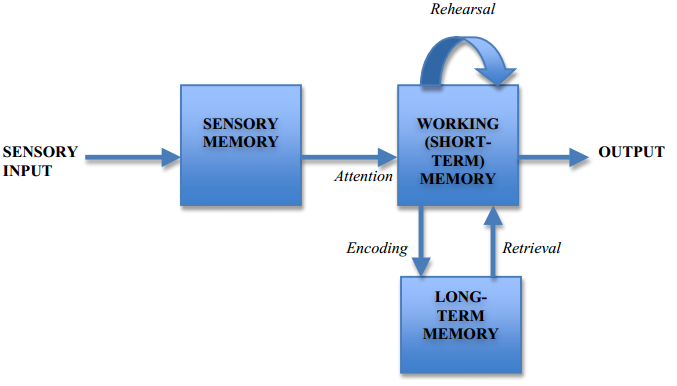
The important mail goes to a temporary desk for immediate handling. This is your working memory. The truly essential stuff gets filed away in a massive warehouse for later use. That's your long-term memory. Understanding this mental mailroom is the first step to becoming a more efficient learner.
From Fleeting Thought to Lasting Knowledge
Your brain has two main systems for storing information: short-term (or working) memory and long-term memory. They work together, but they have very different jobs and limitations.
Working memory is like a small mental scratchpad. It's where you hold and manipulate information you're actively thinking about, like a phone number you're about to dial or the steps in a math problem. It’s quick and accessible, but it has a tiny capacity. Most people can only hold about 5 to 9 items in working memory at once, and only for about 15 to 30 seconds unless they actively keep rehearsing it.
Once you stop paying attention, information in working memory vanishes quickly, like writing on a whiteboard that gets erased.
For information to stick around, it needs to move from the temporary scratchpad to the vast library of long-term memory. This transfer process is called encoding. Long-term memory is where you store everything you “know,” from the capital of France to how to ride a bike. Its capacity is effectively limitless, and memories stored here can last a lifetime.
The key to effective learning is building strong pathways from working memory to long-term memory. The more meaningful and connected a piece of information is, the more likely your brain is to encode it properly for future use.
Rewiring Your Brain
Every time you learn something new, you physically change your brain. This remarkable ability is called neural plasticity. Your brain isn't a fixed, static organ; it's a dynamic network of connections that constantly remodels itself based on your experiences.
Think of your brain as a dense forest. The first time you learn a concept, it's like forging a new path by hacking through the undergrowth. It's slow and difficult. But each time you revisit that concept, you walk the path again. The path becomes wider, clearer, and easier to travel.
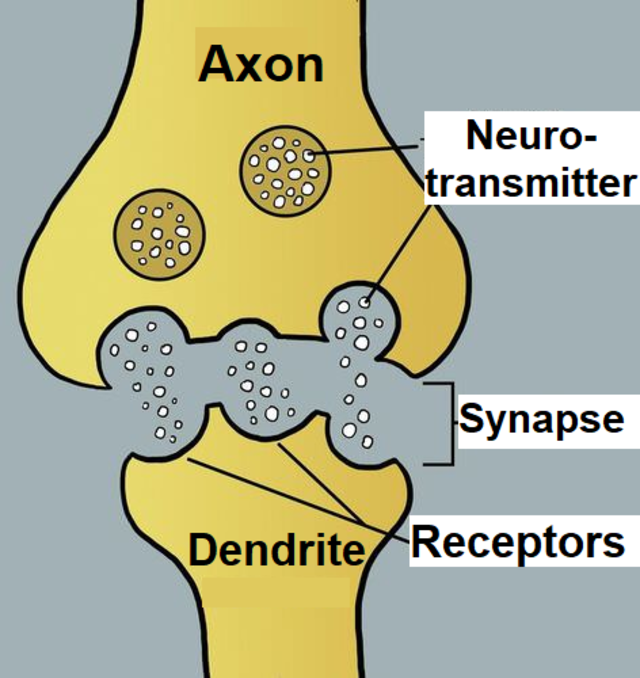
This path-making happens at a microscopic level. Your brain is made of billions of nerve cells called neurons. When you learn, the connections between these neurons, called synapses, grow stronger. The more you practice or retrieve a piece of information, the more efficient the communication between the relevant neurons becomes. This is how skills become automatic and facts become second nature. You are literally building knowledge into your brain's wiring.
The Science of Forgetting
Forgetting can feel like a failure, but it's a natural and even useful part of learning. In the late 19th century, psychologist Hermann Ebbinghaus discovered something fundamental about memory: we lose information in a predictable pattern. He called this the forgetting curve.
The curve shows that we forget most rapidly right after learning something. Without any reinforcement, you might lose more than half of what you learned within a day. After that initial plunge, the rate of forgetting slows down.
This isn't a flaw in our design. The brain is constantly filtering information, trying to hold onto what's most important and discard what isn't. The forgetting curve highlights a crucial principle: learning is not a one-time event. To make information stick, it needs to be revisited. This understanding is the foundation for developing smarter, more effective learning habits.