Accelerated Learning Mastery
Understanding Accelerated Learning
What Is Accelerated Learning?
Accelerated learning isn't about speed-reading or cramming more facts into your head. It's about learning more effectively. The goal is to understand complex topics deeply and retain skills for the long term, but in a shorter amount of time. Instead of just memorizing, you build a solid, usable understanding.
The benefits are straightforward. You can pick up new job skills faster, master a hobby you've always been curious about, or simply get through school or training with less friction and better results. It's a method for making learning stick, turning passive information into active knowledge.
Core Principles
Accelerated learning rests on a few key ideas. The first is engaging your whole mind. Learning isn't just a logical, left-brain activity. It involves your emotions, your creativity, and even your physical body.
Think about learning to cook. You wouldn't just read a recipe book. You'd get in the kitchen. You use your senses to smell the spices, feel the texture of the dough, and see the dish change color. This multi-sensory experience makes the learning deeper and more memorable. The same principle applies to any subject. Involving more of your brain makes new information harder to forget.
Learning is an experience. Everything else is just information.
Next, learning must be an active process. You can't just sit back and expect knowledge to pour into your head. True understanding comes from actively creating it. This means questioning what you learn, connecting it to what you already know, and organizing it in a way that makes sense to you.
Instead of just highlighting a textbook, an active learner might draw a mind map, explain the concept to a friend, or try to find a real-world example. You are not a passive container for facts; you are the builder of your own understanding.

Finally, collaboration supercharges the learning process. Learning doesn't have to be a solo journey. When you discuss ideas with others, you see them from different angles. You might discover flaws in your own thinking or find simpler ways to grasp a difficult topic.
Teaching a concept to someone else is one of the most powerful ways to solidify your own knowledge. It forces you to clarify your thoughts and identify any gaps. Working in groups, asking for feedback, and sharing resources can make learning faster and more enjoyable for everyone.
Common Traps to Avoid
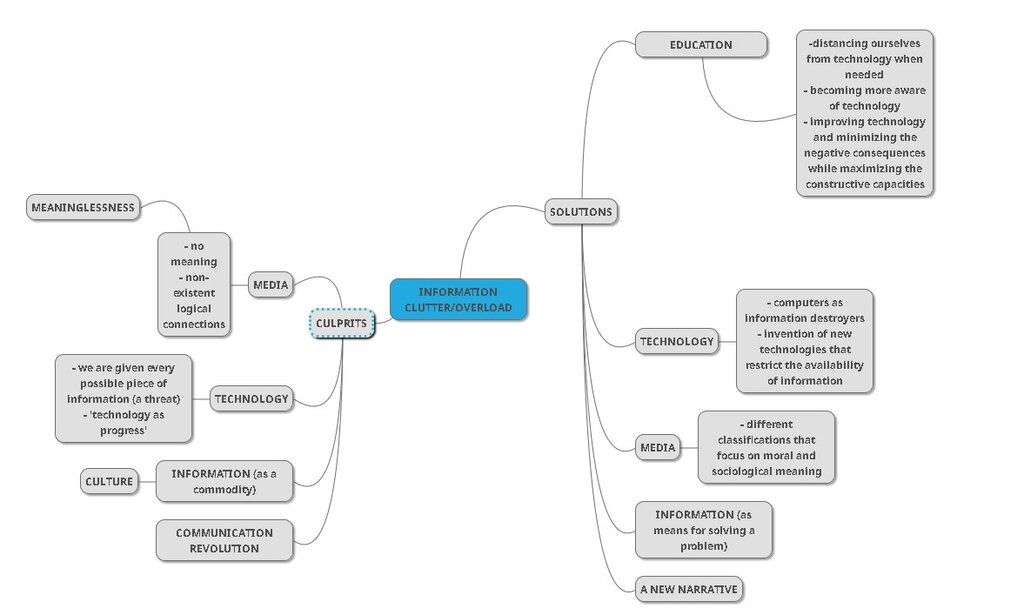
One of the biggest misconceptions is that more information equals more learning. Trying to consume as much material as possible often leads to cognitive overload, not expertise. It's like trying to drink from a firehose. You get drenched, but you don't retain much.
Quality over quantity is the key. It's better to engage deeply with one good resource than to skim through ten. The goal is comprehension, not just exposure to information.
Another pitfall is thinking that accelerated learning is a magic trick that removes the need for effort. While these principles make learning more efficient, they don't make it effortless. You still have to put in the work.
Active learning, by its very nature, requires focus and energy. You have to be willing to struggle with concepts, ask hard questions, and challenge your own assumptions. Accelerated learning provides a smarter path, but you still have to walk it.
Ready to check your understanding of these core ideas?
What is the primary goal of accelerated learning?
Which of the following is the best example of an active learning strategy?
By focusing on these foundational principles, you set the stage for smarter, more effective learning.