Accelerated Japanese Script Learning
Introduction to Japanese Writing Systems
Three Scripts, One Language
At first glance, Japanese writing can look like a complex puzzle. Instead of a single alphabet, it uses three different scripts that work together: hiragana, katakana, and kanji. This might seem daunting, but each script has a specific job that makes the language clear and expressive.
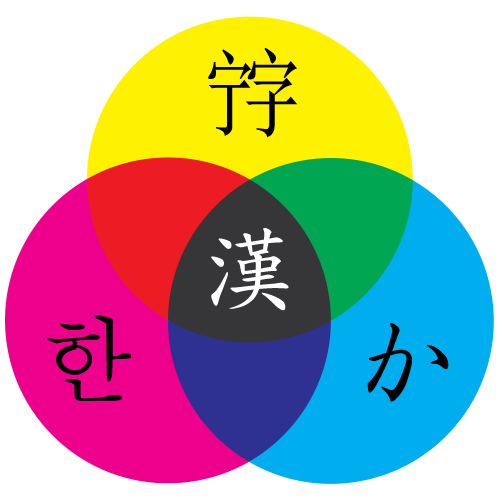
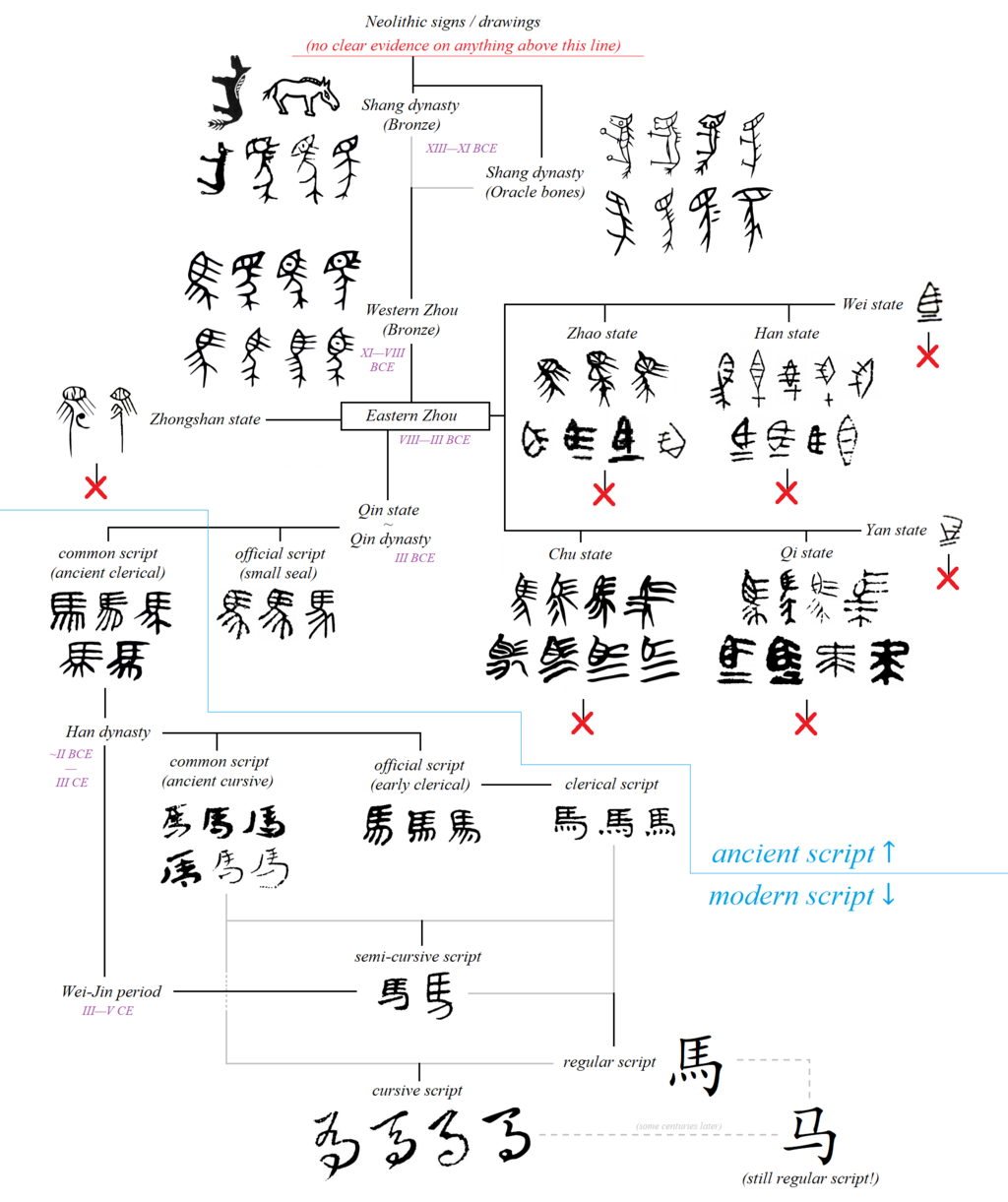
To understand why there are three, we need to look back in time. Originally, Japan had a spoken language but no writing system. Around the 5th century, scholars began adopting Chinese characters, which they called kanji. But there was a problem: Chinese grammar and Japanese grammar are very different. Using only Chinese characters to write Japanese was like trying to build a modern car using only ancient stone tools. It was possible, but clunky and inefficient.
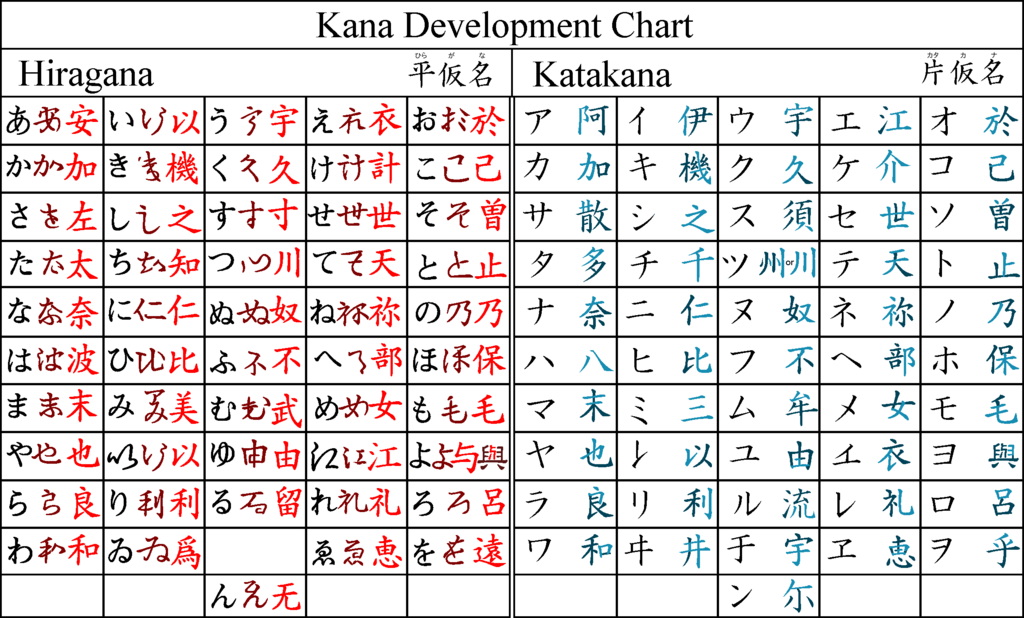
This challenge led to one of the most interesting innovations in writing history: the creation of two brand-new scripts, hiragana and katakana, derived from the complex kanji.
The Roles of Each Script
Think of the three scripts as a team of specialists. Each one handles a different aspect of the written language.
Kanji
noun
Ideographic characters borrowed from Chinese used to write nouns, verbs, adjectives, and adverbs.
Kanji (漢字) are the workhorses of the language. They represent core ideas and meanings. For example, the kanji for water is 水, and for fire, it's 火. Using kanji makes text more compact and faster to read because a single character can convey a whole word. Without them, Japanese sentences would be incredibly long and difficult to parse.
But kanji alone can't handle Japanese grammar. That's where hiragana comes in.
Hiragana
noun
A phonetic script with curved, flowing characters. It's used for grammatical elements like particles and verb endings.
Hiragana (ひらがな) developed from simplified, cursive versions of kanji. Each hiragana character represents a syllable, like ka, shi, or mo. Think of it as the grammatical glue that connects the kanji. It’s used for verb and adjective endings, particles (which are words that mark the function of other words in a sentence), and native Japanese words that don't have a common kanji.
Finally, we have katakana.
Katakana
noun
A phonetic script with angular, sharp characters. It's primarily used for foreign loanwords, onomatopoeia, and for emphasis.
Katakana (カタカナ) developed around the same time as hiragana, but it was created by taking a small piece, or component, of a kanji character. Like hiragana, each katakana character represents a syllable. Its characters are more angular and simple. Think of it as the Japanese equivalent of italics. It's used to make words stand out, for foreign loanwords (like 'computer', コンピューター), company names, and sound effects (onomatopoeia).
Putting It All Together
A typical Japanese sentence uses all three scripts together in a fluid, efficient system. Let's look at an example.
私 は コーヒー を 飲みます。 (Watashi wa kōhī o nomimasu.)
This means "I drink coffee." Let's break it down:
- 私 (watashi - 'I') is a noun, so it's written in kanji.
- は (wa) and を (o) are grammatical particles, so they are in hiragana.
- コーヒー (kōhī - 'coffee') is a foreign loanword, so it's in katakana.
- 飲みます (nomimasu - 'to drink') is a verb. The root of the word, 飲, is kanji, while the ending, みます, is hiragana.
| Script | Form | Primary Role |
|---|---|---|
| Kanji (漢字) | Ideographic | Core meaning (nouns, verbs, adjectives) |
| Hiragana (ひらがな) | Cursive, phonetic | Grammar (particles, verb endings) |
| Katakana (カタカナ) | Angular, phonetic | Emphasis, loanwords, onomatopoeia |
This combination allows for a text that is both rich in meaning (from kanji) and grammatically precise (from hiragana), with the ability to clearly mark foreign words or add emphasis (with katakana). It’s a beautifully logical system that evolved over centuries to fit the needs of the language.
Now, test your understanding of these three scripts.
Why does the Japanese language use three different writing scripts (hiragana, katakana, and kanji) instead of just one?
What is the primary function of kanji (漢字) in a Japanese sentence?
Understanding the roles of these three scripts is the first major step toward reading and writing Japanese. Each one is a key piece of the puzzle.