Accelerated Graphic Design Career Launch
Understanding Graphic Design Roles
Beyond the Basics: Finding Your Path
Graphic design is a vast field. While all designers share a common foundation of visual principles, the career paths available are surprisingly diverse. Each specialization requires a unique blend of skills and a different way of thinking. Let's explore some of the most common roles to help you find where your talents and interests might fit best.
Brand Identity Design
A brand identity designer is the architect of a company's visual personality. Their job is to distill a brand's mission, values, and essence into a cohesive visual system. This goes far beyond just creating a logo.
They develop the entire visual language a company uses to communicate with the world. This includes selecting color palettes that evoke specific emotions, choosing typefaces that reflect the brand's tone of voice, and designing a logo that is memorable and scalable. The result is a comprehensive set of guidelines that ensures consistency across every touchpoint, from a business card to a billboard.

The goal is to create a distinct and recognizable look and feel that connects with the target audience and sets the company apart from its competitors.
Digital and UX Design
Digital designers create visuals for screens. This broad category includes everything from websites and mobile app interfaces to social media graphics and online advertisements. They focus on creating engaging and effective visuals for the digital world.
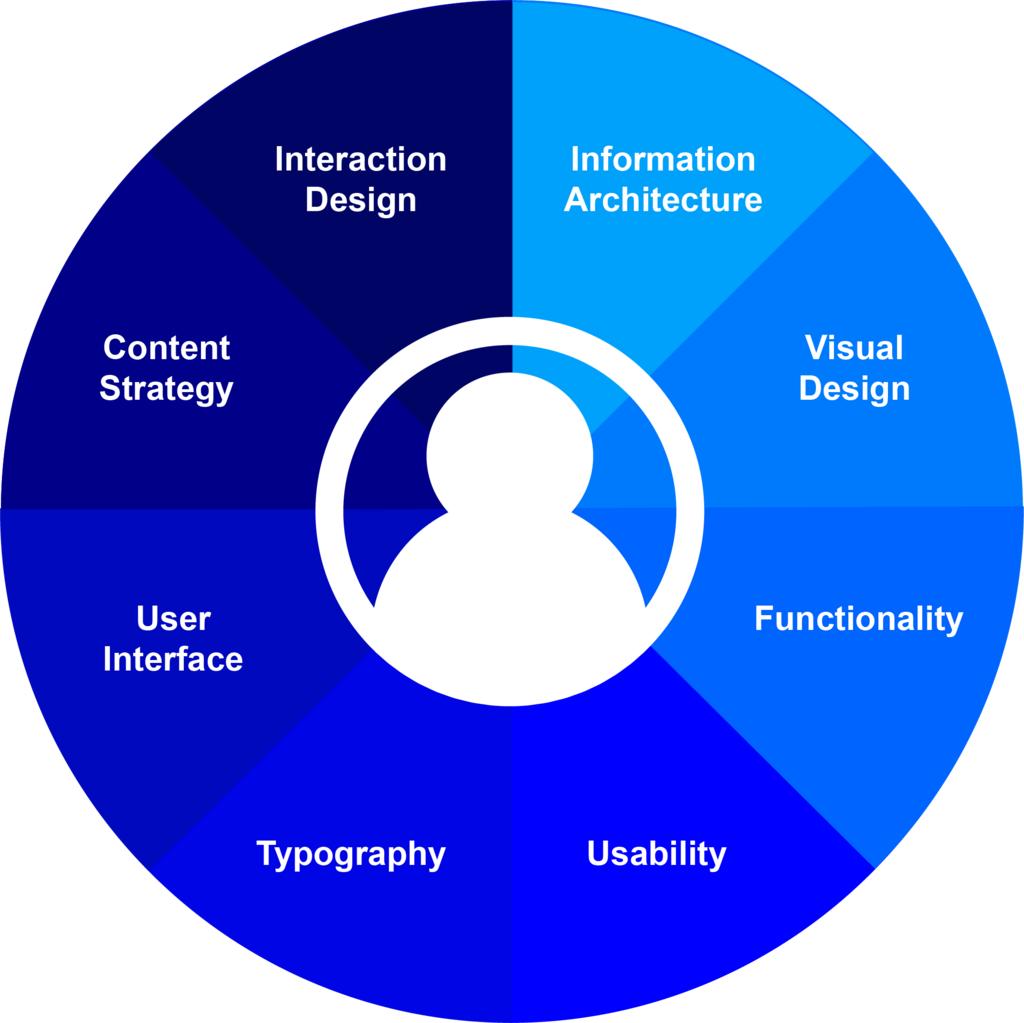
A crucial specialization within digital design is User Experience (UX) design. A UX designer is focused on the overall feel of the product. Their primary goal is to make technology easy, intuitive, and enjoyable to use. They research user behaviors, map out user journeys, and create wireframes and prototypes to test usability. While visual aesthetics are part of the equation, a UX designer's main concern is how the product works and how it solves a user's problem.
Other Key Specializations
Beyond branding and digital, several other exciting paths exist.
| Specialization | Core Responsibilities | Key Skills |
|---|---|---|
| Motion Graphics | Bringing graphic elements to life through animation. Creating animated logos, explainer videos, and visual effects for web, apps, and film. | Animation principles, timing, storytelling, proficiency in software like Adobe After Effects. |
| Print Design | Creating visual designs for physical media. This includes brochures, magazines, books, packaging, and posters. | Deep understanding of typography, layout for print, color theory (CMYK), and print production processes. |
| Advertising Design | Developing visuals for marketing campaigns. Creating ads for print, web, and social media that are designed to persuade and sell. | Strong conceptual skills, copywriting knowledge, understanding of marketing principles and target audiences. |
Each of these roles requires the same fundamental design knowledge you've already learned, but they apply it to solve different problems in different contexts. As you continue your journey, think about which type of problem-solving excites you the most.
What is the primary goal of a brand identity designer?
A designer's main focus is on mapping out user journeys, creating wireframes, and conducting usability tests for a new software application. What is their most likely specialization?
Many designers work across several of these specializations, while others choose to become deep experts in one. There's no single right path.