Accelerate Your Research With Efficient Literature Reviews
Understanding Literature Reviews
Joining the Conversation
Before you can add something new to a field of study, you need to understand what’s already been said. A literature review is your way of listening in on the ongoing conversation among researchers. It's a survey of scholarly sources on a specific topic that provides an overview of current knowledge, allowing you to identify relevant theories, methods, and gaps in the existing research.
The purpose of a literature review is to summarize what knowledge and ideas have been established on a topic, and what their strengths and weaknesses are.
Think of it as creating a map of the research landscape. This map shows where researchers have been, what they've discovered, and where the unexplored territories lie. By creating this map, you're not just reporting what others have found; you're providing a foundation and a justification for your own research journey. It demonstrates to others that you've done your homework and that your work has a purpose.
Analysis, Not Just Summary
A common mistake is to think of a literature review as a series of summaries, like a book report for each source. It's much more than that. A literature review is an act of synthesis and critical analysis. You're not just listing who said what, but weaving together different findings into a coherent story.
A strong literature review doesn't just collect sources; it connects them. It critiques them, identifies patterns, and builds an argument about the state of the field.
You'll compare and contrast different authors' views on an issue. You'll group authors who draw similar conclusions. You might criticize the methodology of some studies or point out how one study's findings contradict another's. The goal is to evaluate the body of literature to show how your research fits in and contributes.
Different Reviews for Different Goals
Not all literature reviews are the same. The type you conduct depends on your research question and purpose. While there are many variations, most fall into a few key categories.
| Review Type | Primary Goal | Methodology |
|---|---|---|
| Narrative | To provide a broad overview of a topic. | Less structured; sources are selected to support an argument or theme. |
| Systematic | To answer a specific, focused question. | Highly structured and replicable; aims to find all relevant literature. |
| Rapid | To assess what is already known about a topic, quickly. | A streamlined version of a systematic review, used when time is limited. |
A narrative review tells a story about the literature, often to make a particular point or to trace the development of an idea. It’s useful for gaining a broad perspective.
A systematic review, on the other hand, is like a scientific experiment. It uses a strict, predefined protocol to find, select, and analyze research. The goal is to be as comprehensive and unbiased as possible. These reviews are common in fields like medicine and public policy where the exact state of knowledge on a treatment or intervention is critical.
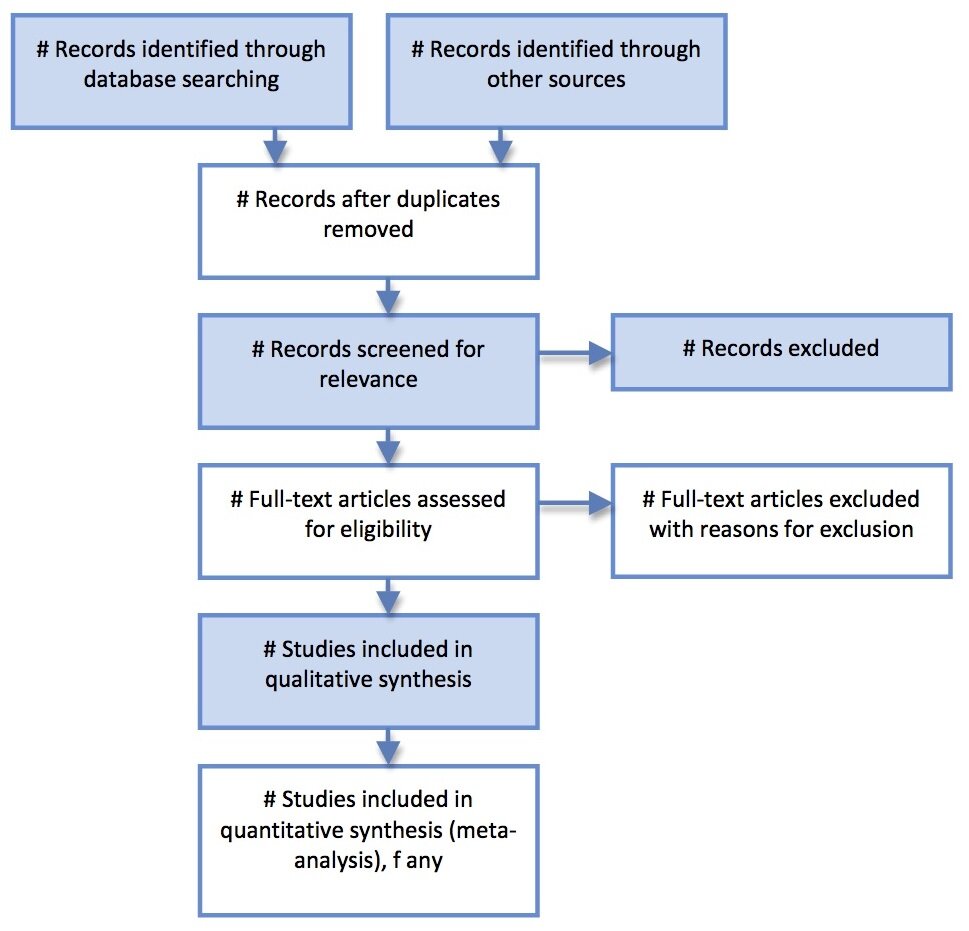
Finally, a rapid review is a pragmatic compromise. When a full systematic review would take too long, researchers might conduct a rapid review to get a good-enough answer quickly, for example, during a public health emergency. They follow the same principles as a systematic review but may limit the search scope or simplify the analysis process.
Each type serves a different purpose, but all share the fundamental goal of making sense of what we already know to pave the way for what we can still discover.
What is the primary purpose of conducting a literature review?
A literature review should be a simple collection of summaries of different sources.
Understanding the role and types of literature reviews is the first step in building a solid foundation for any research project. It ensures your work is informed, relevant, and ready to make a contribution.