Accelerate Your Research Literature Reviews
Understanding Literature Reviews
What is a Literature Review?
Before starting any research project, you need to understand what's already been said on the topic. This is where a literature review comes in. It’s more than just a list of summaries of articles and books. It’s a critical synthesis of existing research that provides a foundation for new work.
The purpose of a literature review is to summarize what knowledge and ideas have been established on a topic, and what their strengths and weaknesses are.
Think of it like building a house. You wouldn't just start digging without first surveying the land, checking for existing structures, and understanding the local building codes. A literature review is that initial survey. It helps you see the landscape of the research, understand the ongoing conversations, and identify the solid ground where you can build your own contribution.
Types of Reviews
Not all literature reviews are the same. They come in different forms, each with a specific purpose. Here are a few common types:
Narrative Review
noun
A review that provides a broad overview of a topic. It summarizes and synthesizes literature to tell a story or support a particular perspective, but without a strict, repeatable search protocol.
This is often what people think of when they hear “literature review.” It’s common in humanities and social sciences, and it's great for providing context.
Systematic Review
noun
A highly structured review that aims to find, appraise, and synthesize all available evidence on a specific research question using a rigorous and transparent methodology.
Systematic reviews follow a strict, predefined plan. The goal is to be so thorough and unbiased that anyone else could repeat your steps and find the same results. They are the gold standard in fields like medicine and public policy. The process often involves screening thousands of studies to find just a handful that meet the exact criteria.
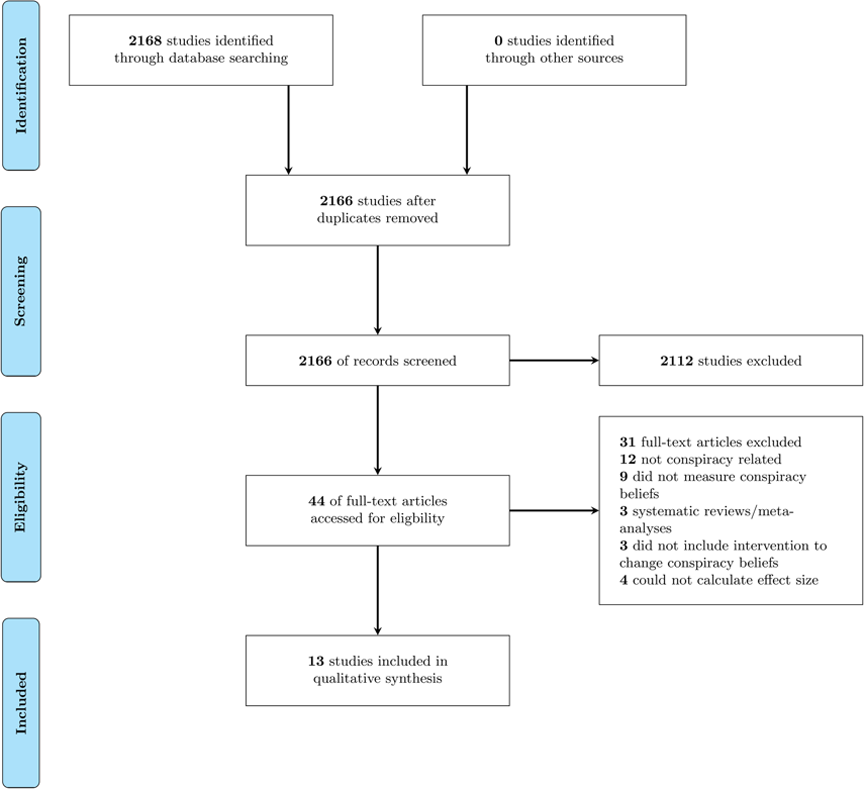
A Scoping Review is another type. It's broader than a systematic review and aims to map out the existing literature on a topic. It's useful when a field is new or complex, helping to identify the key concepts, theories, and gaps in the research. Think of it as creating a map of the territory before deciding where to explore in more detail.
Ethical Responsibilities
When you conduct a literature review, you are entering into a conversation with other researchers. With that comes ethical responsibilities. The two most important are representing others' work accurately and giving them proper credit.
Accurate representation means you don't misinterpret or cherry-pick findings to fit your own argument. You must present the source's conclusions fairly, even if they contradict your own views.
Avoiding plagiarism is non-negotiable. This means more than just not copying and pasting. It means citing every idea, concept, or piece of data that isn't your own. When you use someone else's words, you must use quotation marks and a citation. When you paraphrase, or put their ideas into your own words, you still must provide a citation. Giving credit is how we acknowledge our debt to the researchers who came before us and allow our readers to trace our work back to its sources.
A well-executed literature review isn't just a preliminary step; it's a piece of scholarship in its own right. It demonstrates your understanding of the field and positions your own research to make a meaningful contribution.