Accelerate Research with Literature Reviews
Understanding Literature Reviews
What is a Literature Review?
Before starting any research project, you need to know what's already been said. A literature review is a survey of scholarly sources on a specific topic. It provides an overview of current knowledge, allowing you to identify relevant theories, methods, and gaps in the existing research.
The purpose of a literature review is to summarize what knowledge and ideas have been established on a topic, and what their strengths and weaknesses are.
Think of it like creating a map. You're not just listing all the towns (studies) in a region. You're charting the landscape to see where the roads are, where the cities are clustered, and most importantly, where the unexplored territories lie. This map—your literature review—guides your own research journey, ensuring you're not just retreading old ground but exploring new frontiers.
Types of Reviews
Not all literature reviews are the same. The type you conduct depends on your research question and purpose. While there are many variations, most fall into three common categories: narrative, scoping, and systematic.
| Type | Purpose | Scope | Methodology |
|---|---|---|---|
| Narrative | To summarize and critique a body of literature, often to identify gaps or provide context. | Broad | Less structured; sources selected to support an argument or theme. |
| Scoping | To map the existing literature on a broad topic and identify key concepts, theories, and evidence sources. | Very broad | Systematic search, but analysis is often descriptive rather than synthesizing findings. |
| Systematic | To answer a specific, focused research question by identifying, appraising, and synthesizing all relevant evidence. | Narrow and well-defined | Strict, predefined protocol to minimize bias. |
Let's break these down with simple examples.
A narrative review is what you might write for a class paper. For example, a review on the history of cognitive behavioral therapy would discuss major trends and landmark studies without needing to include every single paper ever published.
A scoping review casts a much wider net.
Imagine researchers want to understand the state of research on artificial intelligence in K-12 education. A scoping review would map out what topics have been studied (e.g., AI for math, AI for reading), what age groups have been focused on, and where the research is happening. It identifies the breadth of the field.
Finally, a systematic review is the most focused and rigorous. It aims to find a definitive answer to a very specific question.
A systematic review might ask: "In adults over 65, does daily exercise for 30 minutes reduce the risk of falls compared to no exercise?" Researchers would follow a strict plan to find every study that meets their criteria, assess each one for quality, and synthesize the results.
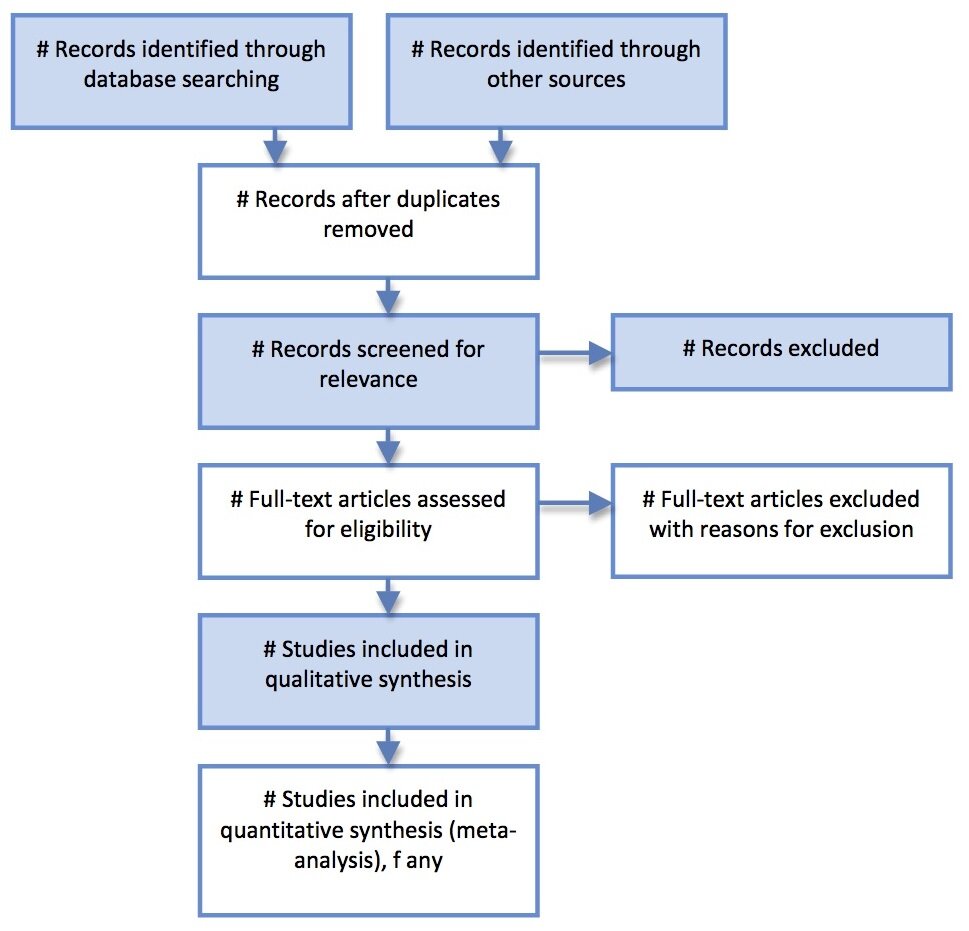
Systematic reviews often include a flow diagram showing how researchers narrowed down thousands of potential articles to the handful that were included in the final analysis.
Staying Objective
Regardless of the type, a good literature review requires objectivity and critical analysis. Your goal is not to find articles that confirm what you already believe. It's to provide an honest, balanced overview of the existing knowledge. This means including studies with conflicting results and acknowledging controversies in the field.
Critical analysis means you don't just summarize a study's findings. You ask questions: Was the methodology sound? Are the conclusions supported by the evidence? How does this study fit in with others on the topic?
By maintaining a critical and objective perspective, you ensure that your review is a reliable foundation for your own research or for others looking to understand the topic.
Let's check your understanding of these core concepts.
What is the primary purpose of conducting a literature review?
A researcher wants to get a broad overview of all available research on 'digital learning tools for high school students' to see what topics have been covered and where the main gaps are. Which type of review is most appropriate?
In short, a literature review is your entry point into a scholarly conversation. It helps you understand what has been said, so you can make a meaningful contribution of your own.