Accelerate Research with Faster Literature Reviews
Understanding Literature Reviews
Building on What's Known
Before starting any research project, you need to understand what's already been discovered. You wouldn't build a house without checking the foundation, and you can't push knowledge forward without knowing where the boundary lies. This is the job of a literature review.
A literature review is a comprehensive study and interpretation of the literature (articles, studies, journals) for a specific topic (Aveyard 2014).
A literature review is not just a list of summaries. It’s an argument. It organizes, evaluates, and synthesizes previous research to show how it all fits together. A good review tells a story about the progression of ideas on a topic. It points out what we know for sure, where researchers disagree, and, most importantly, what questions remain unanswered. This process provides context for your own work and proves that your research question is relevant and necessary.
Different Reviews for Different Goals
The type of literature review you conduct depends on your specific goal. While all reviews survey existing work, their scope and methods can vary significantly. The three most common types are narrative, systematic, and scoping reviews.
| Type | Primary Goal | Best For... |
|---|---|---|
| Narrative | Provide a broad overview of a topic. | Getting a general understanding of a field or concept. |
| Systematic | Answer a very specific, focused research question. | Synthesizing evidence to inform practice, like in medicine. |
| Scoping | Map the existing literature on a broad topic. | Identifying key concepts and research gaps in an emerging field. |
A narrative review tells a story about the literature, summarizing and critiquing it from a particular perspective. It's flexible but can be prone to the author's bias.
A systematic review, on the other hand, is like a scientific experiment. It follows a strict, pre-defined plan to find, evaluate, and synthesize all available evidence on a tightly focused question. The goal is to be as comprehensive and unbiased as possible.
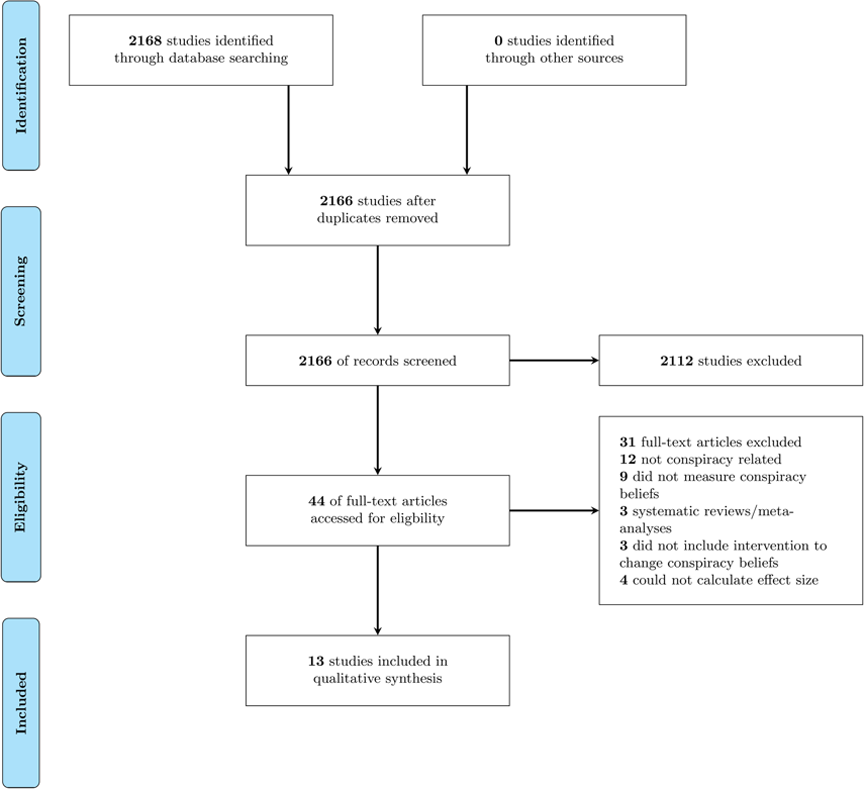
Finally, a scoping review asks, "What research is out there?" It aims to map the key concepts, sources, and gaps in a research area. It's a great starting point when a topic is broad or has not been extensively reviewed before.
The Key Ingredients
Regardless of the type, every effective literature review shares three core components. These ensure the review is thorough, credible, and useful.
- Comprehensive Search Strategy: You must cast a wide net to find all relevant studies. This means searching multiple databases and sources to avoid missing crucial work.
- Critical Appraisal of Sources: Don't take every study at face value. A good review involves carefully evaluating the strengths and weaknesses of each source's methodology, evidence, and conclusions.
- Coherent Synthesis of Findings: This is the most challenging part. You must pull together the findings from all your sources into a coherent narrative. This involves identifying major themes, explaining inconsistencies, and highlighting areas for future research.
By mastering these components, you can create a literature review that doesn’t just summarize information but actively contributes to the conversation in your field.
Time to check your understanding of literature reviews.
What is the primary purpose of a literature review in a research project?
A public health organization wants to create a definitive clinical guideline based on the highest quality evidence available about a specific treatment. Which type of review should they conduct?
A well-executed literature review provides the foundation upon which all new research is built.