Accelerate Research with Fast Literature Reviews
Understanding Literature Reviews
The Foundation of Research
Before starting any research project, you need to understand what's already known about your topic. This is where a literature review comes in. It’s a survey and critical analysis of scholarly articles, books, and other sources relevant to a particular issue or area of research.
The purpose of a literature review is to summarize what knowledge and ideas have been established on a topic, and what their strengths and weaknesses are.
Think of it like this: you wouldn't build a house without first surveying the land and studying existing architectural plans. A literature review serves the same purpose for your research. It provides a solid foundation, showing you the lay of the land—the key concepts, major debates, and principal findings in your field. It prevents you from reinventing the wheel and helps you join the ongoing conversation among researchers.
Two Main Approaches
Literature reviews generally come in two main types: narrative and systematic. The one you choose depends on your research goal.
A narrative review tells a story. It provides a broad overview of a topic, summarizing different viewpoints and developments over time. It’s useful for getting a general understanding of a field, but it can be selective. The author chooses which studies to include to best tell their story.
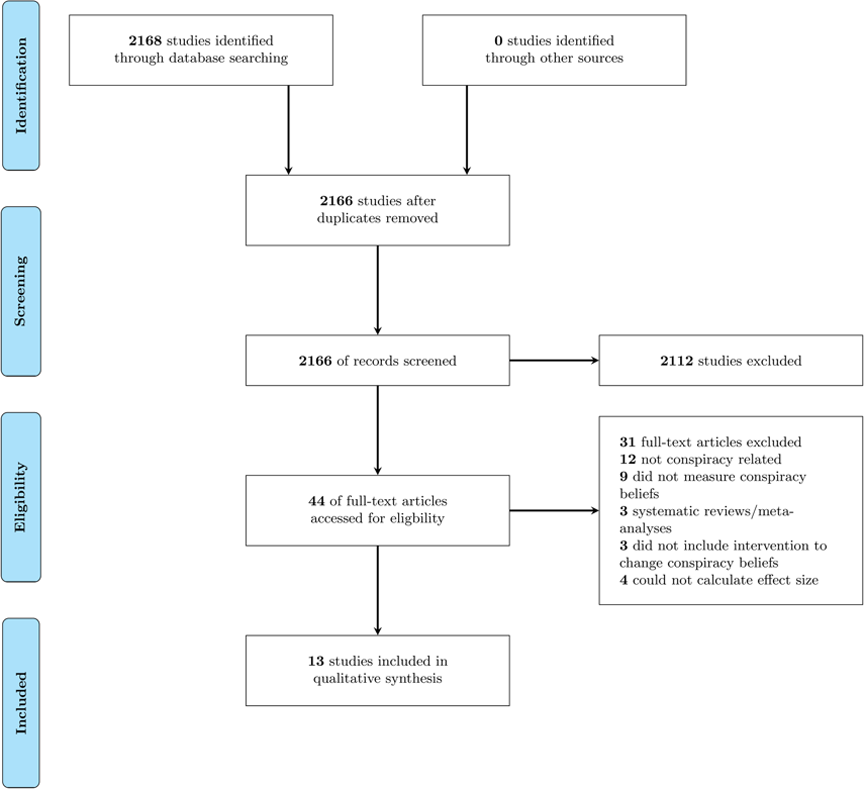
A systematic review, on the other hand, is much more structured and rigorous. It aims to find, critique, and synthesize all available evidence that addresses a very specific research question. Researchers follow a strict, predefined plan to minimize bias. This approach is common in fields like medicine and policy, where decisions need to be based on the best possible evidence.
Finding Your Place
A well-executed literature review does more than just summarize articles. Its most important job is to build a case for your own research.
First, it establishes the context. By outlining the history and current state of research on your topic, you show your reader that you’ve done your homework. You demonstrate how your work fits into and builds upon the work of others.
Next, it helps you identify gaps in the existing knowledge. As you read what others have done, you'll start to see what they haven't done. You might find unanswered questions, overlooked populations, or new methods that haven't been applied yet. These gaps are the fertile ground where new research grows.
Identifying a gap is your opportunity. It’s the space where you can make a unique contribution to your field.
Finally, once you've found a gap, the literature review helps you justify your project. You can confidently state, "Previous studies have examined A and B, but the relationship with C remains unexplored." This simple statement, backed by your review, explains why your research is necessary and what new knowledge it aims to create.
What is the primary goal of conducting a literature review before starting a new research project?
Which type of literature review follows a strict, predefined plan to find and synthesize all available evidence on a specific question, aiming to minimize bias?
In short, a literature review is your map and compass, guiding you through the existing research and helping you chart a course for your own investigation.