Academic Networks Dissertation Introduction Guide
Introduction Components
Crafting Your Introduction
The introduction to a social science dissertation isn't just a formality; it's a strategic argument. It sets the stage, establishes your credibility, and convinces the reader that your research is necessary. For topics like academic social networks (ASNs), a powerful introduction uses a funnel structure. You start broad and then systematically narrow your focus.
This approach guides your reader from a familiar, high-level concept—the digitization of academic life—down to the specific, unanswered question you plan to investigate. You're not just dropping them into a niche topic; you're showing them the path that leads there, demonstrating why your particular slice of the universe is worth examining.
The Seven Essential Ingredients
A compelling introduction contains several key components that work together. Think of it as a recipe. Missing an ingredient won't just make it taste bad; it might not hold together at all. This structure is sometimes called IMRaD (Introduction, Methods, Results, and Discussion), and the introduction itself has its own internal logic.
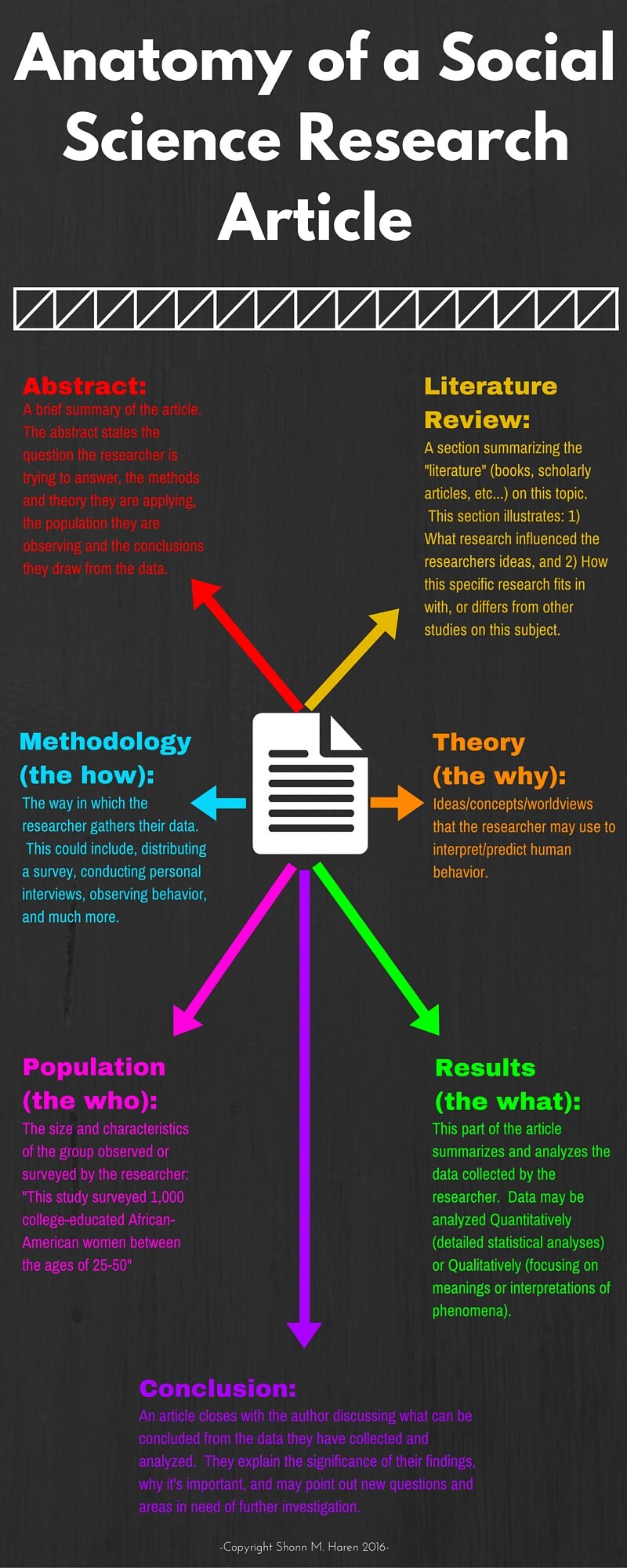
Here are the seven ingredients you need to include, generally in this order:
| Ingredient | Purpose | Example for ASN Research |
|---|---|---|
| 1. The Hook | Grab the reader's attention with a surprising fact, a provocative question, or a compelling anecdote. | "Every day, millions of academics share findings not in journals, but on platforms like ResearchGate. What does this mean for how science is done?" |
| 2. Background | Provide essential context. What larger conversation is this study part of? | Briefly discuss the transition from print journals and conferences to digital forms of scholarly communication and the rise of networked knowledge productions. |
| 3. Research Problem | State the specific gap, puzzle, or tension your research will address. What don't we know? | "While we know ASNs increase visibility, we don't understand how they specifically affect cross-institutional collaboration rates among junior researchers." |
| 4. Aims & Objectives | Clearly state what you intend to do. What is the goal of your study? | "This study aims to quantify the relationship between active participation on LinkedIn's academic forums and the formation of new research partnerships." |
| 5. Significance | Explain why this research matters. Who benefits from this knowledge? The "so what?" question. | "Understanding this relationship can help universities develop better digital engagement strategies and support early-career academics." |
| 6. Scope & Limitations | Define the boundaries of your study. What will you not be covering? | "This study will focus only on sociologists in North America and will not analyze the content of shared publications, only the network connections." |
| 7. Structure Outline | Briefly map out the rest of the dissertation for the reader. | "Chapter 2 reviews the literature on social capital theory. Chapter 3 details the survey methodology..." |
These elements create a logical cascade. The hook gets attention, the background situates the topic, the problem identifies a gap, the aims state your plan to fill it, the significance explains why it's worth filling, the scope sets realistic boundaries, and the outline provides a roadmap. Each step builds on the last.
Defining Your Boundaries
The scope and limitations section is especially critical in digital research. The digital world is vast, and trying to study all of it is a recipe for failure. Clearly defining your boundaries shows that you've thought realistically about your project.
Are you studying all academics or just those in a specific field? One platform or many? A single year or a decade? Be precise. Specificity is a sign of a well-planned study.
For example, researching "the impact of social media on science" is too broad. A better, more feasible scope would be "the impact of Twitter usage on citation counts for pre-print articles in astrophysics between 2020 and 2022."
Limitations aren't weaknesses. They are honest acknowledgments of your study's constraints. Perhaps your data is self-reported, which carries a risk of bias. Maybe you only have access to public profiles, not private messages. Stating these limitations upfront builds trust with your reader and shows that you understand the nuances of your chosen methods.
The literature review is your gateway to existing knowledge, helping you understand the research landscape, identify gaps, and lay the groundwork for your own scholarly contribution.
Ultimately, your introduction is an argument for why your dissertation deserves to exist. By using the funnel structure and carefully including all seven ingredients, you make a powerful and persuasive case.
Time to review what you've learned.
Ready to test your knowledge?
What is the primary function of a dissertation introduction in the social sciences, according to the provided text?
The text describes a "funnel structure" for writing an effective introduction. What does this structure involve?
With a strong introduction, you provide a clear roadmap that guides both you and your reader through your research journey.