Academic Article Review and Framework Improvement
Understanding Research Articles
The Anatomy of a Research Paper
Academic articles can seem intimidating, but they follow a surprisingly predictable structure. Think of it as a blueprint. Once you understand the layout, you can navigate any paper with confidence, quickly finding the information you need. This standardized format helps researchers communicate their findings clearly and efficiently.
Most papers in the sciences and social sciences use a structure known as IMRaD, which stands for Introduction, Methods, Results, and Discussion. Let's break down what to expect in each part.
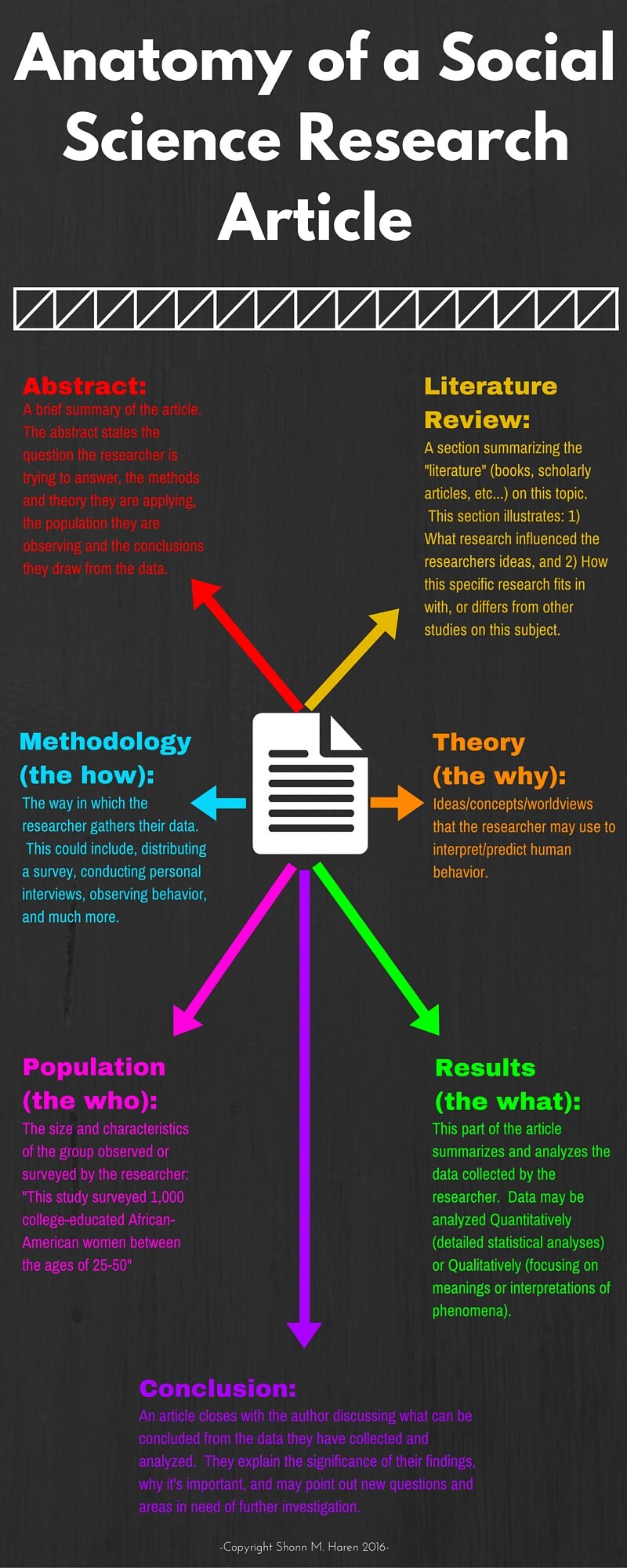
Your Roadmap The Abstract
Before you even get to the main body, you'll see the abstract. This is a short, powerful summary of the entire paper. In about 150-250 words, it covers the study's purpose, key methods, main findings, and conclusions. It’s the movie trailer for the research.
Always read the abstract first. It's the fastest way to decide if the entire article is relevant to your research interests. If the abstract doesn't match what you're looking for, you can move on without reading the full paper.
The Core Sections
After the abstract, you'll dive into the main substance of the paper. This is where the IMRaD structure comes into play.
Introduction This section sets the stage. It starts broad by explaining the background of the topic and why it's important. It narrows down to what previous research has found and, crucially, what gaps exist in the current knowledge. The introduction always ends with a clear statement of the research question, hypothesis, or goal of the study. It answers the question: "Why was this study done?"
Methodology (or Methods) Here, the authors describe exactly how they conducted the research. It’s like a recipe. This section should have enough detail for another researcher to replicate the study. It covers the participants or subjects, the materials or tools used, and the step-by-step procedure. It answers the question: "What did the researchers do?"
Results This section presents the raw findings of the study without any interpretation. It's a straightforward report of the data collected. You'll often find tables, graphs, and charts here, along with statistical analyses. The results section answers the question: "What did the researchers find?"
Discussion & Conclusion The discussion is where the authors interpret the results. They explain what the findings mean, connect them back to the research question from the introduction, and compare them to previous studies. They'll also address any limitations of their study and suggest directions for future research. This section often ends with a concluding paragraph that summarizes the main takeaways. It answers the question: "What does it all mean?"
| Section | Purpose |
|---|---|
| Introduction | Why the study was conducted. |
| Methods | How the study was done. |
| Results | What was found. |
| Discussion | What the findings mean. |
Other Key Components
Beyond the core sections, you'll also find a few other important parts. Every academic paper includes a References or Bibliography section, which lists all the sources the authors cited. This is a great resource for finding other related articles.
Some articles may also have Appendices. This is where authors put supplementary material that is too detailed or lengthy for the main body of the paper, like a full survey questionnaire or a large data table.
Now that you know the basic structure, let's test your understanding.
What is the primary purpose of the abstract in an academic paper?
If you wanted to replicate a study, which section would provide the most detailed "recipe" for how the research was conducted?
Understanding this standard structure demystifies academic articles and turns reading them from a chore into a targeted search for information.