Abu Dhabi RTA Theory Test Prep
UAE Traffic Laws
The Rules of the Road
Driving in the United Arab Emirates offers a modern, efficient experience, but it operates under a strict legal framework designed for maximum safety. With major updates to traffic laws rolling out, understanding the rules isn't just about passing a test; it's about protecting yourself and others. The authorities are clear: safety is the top priority, and violations come with serious consequences.

One of the most critical principles to understand is the 'Zero Tolerance' policy regarding alcohol. Unlike in many other countries where a small blood alcohol concentration might be permissible, in the UAE, the legal limit for drivers is 0.00%. Any detectable amount of alcohol can lead to severe penalties, including fines up to $100,000, vehicle impoundment, and jail time. There is no ambiguity here.
The message from authorities is simple: if you plan to drink, do not plan to drive.
Fines, Points, and Impoundment
The UAE uses a system of fines, , and vehicle impoundment to enforce traffic laws. This system is designed to penalize dangerous behavior and remove consistently unsafe drivers from the road. The penalties are not just financial; they can directly impact your ability to legally drive.
Let's look at some of the most common and heavily penalized offenses.
| Offense | Fine (AED) | Black Points | Additional Penalties |
|---|---|---|---|
| Driving Under Influence | Up to 100,000 | 23 | Vehicle impoundment, jail |
| Exceeding speed limit by >60 km/h | 3,000 | 12-23 | 30-day vehicle impoundment |
| Using a mobile phone while driving | 800 | 4 | - |
| All passengers not wearing seatbelts | 400 | 4 | Per passenger fine for driver |
| Tailgating (not leaving safe distance) | 400 | 4 | - |
Speeding penalties are tiered. While minor infractions result in smaller fines, significantly exceeding the limit is treated as reckless endangerment. The fines increase sharply the faster you go over the limit, culminating in the heavy penalties listed for exceeding it by more than 60 km/h.
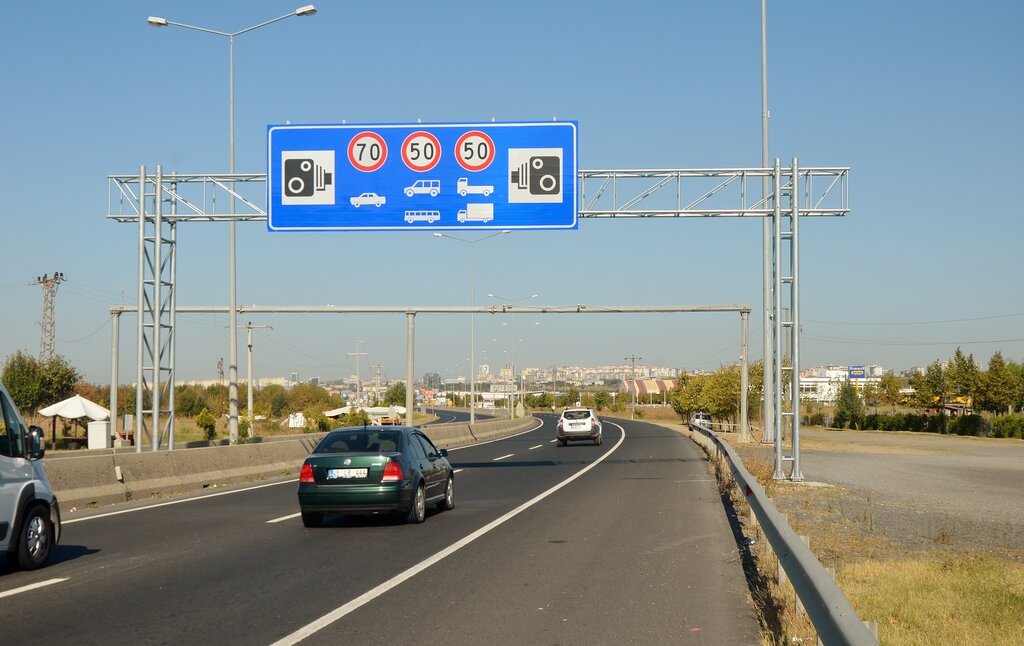
It's also crucial to know the rules about distractions. Using a mobile phone while driving is not just about talking; it includes texting, browsing, or any other manual operation of the device. The goal is to keep your hands on the wheel and your eyes on the road. Similarly, tailgating is taken very seriously, as it's a leading cause of rear-end collisions.
Protecting Passengers
The law extends responsibility beyond just the driver. For instance, the mandatory seatbelt rule applies to every single person in the vehicle, regardless of where they are sitting. The driver is held responsible and will be fined $400 and receive 4 black points for each passenger who is not buckled up.
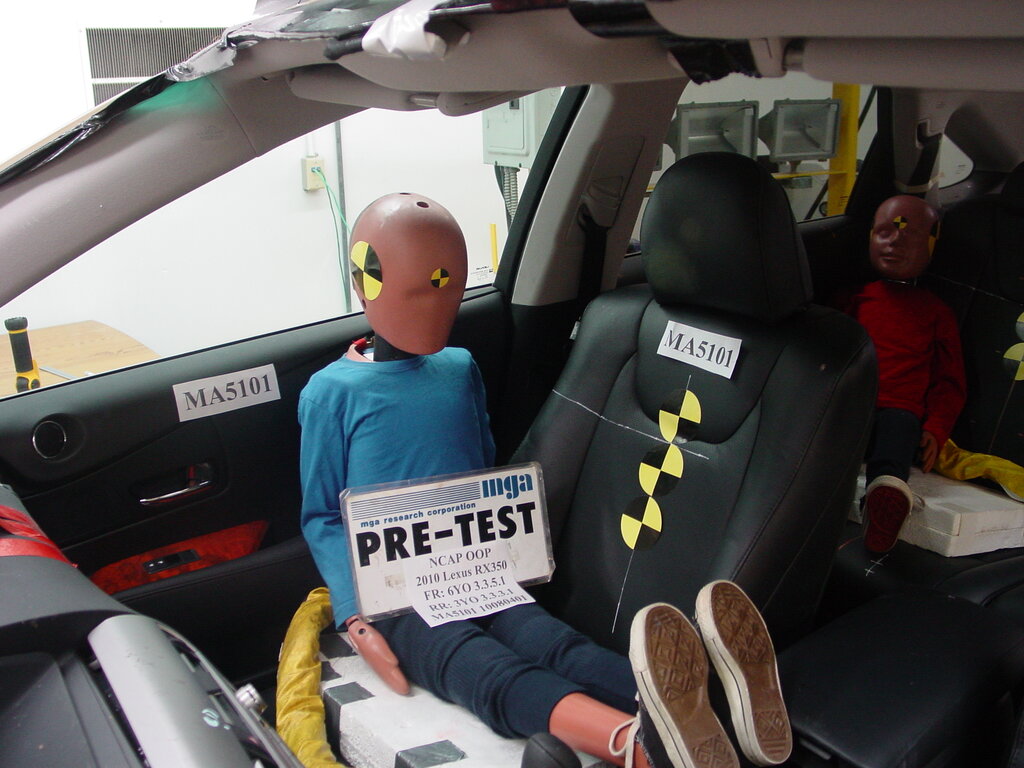
Specific rules are in place to protect children. Children under the age of 13 are not permitted to sit in the front passenger seat. They must be secured in the back, and children up to four years old must be in a proper child safety seat. This is not a suggestion; it is a legal requirement.
Finally, be mindful of lane discipline and the s. Overtaking from the right or using the hard shoulder to bypass traffic is illegal and extremely dangerous. The hard shoulder is reserved for emergencies only, and misusing it carries a fine of $1,000 and 6 black points. Always overtake from the left and return to your lane when it is safe to do so.
These laws form the foundation of safe driving in the UAE and are a key part of the [{
Ready to check your understanding? Let's see how well you know the rules.
What is the legal blood alcohol concentration (BAC) limit for drivers in the UAE?
If you are driving and have three passengers in your car who are not wearing seatbelts, what is the total penalty you will face?
Mastering these rules is essential. They are designed not to be punitive, but to create one of the safest road networks in the world.