ABSA Suturing Fundamentals
Surgical Instruments
The Surgeon's Toolkit
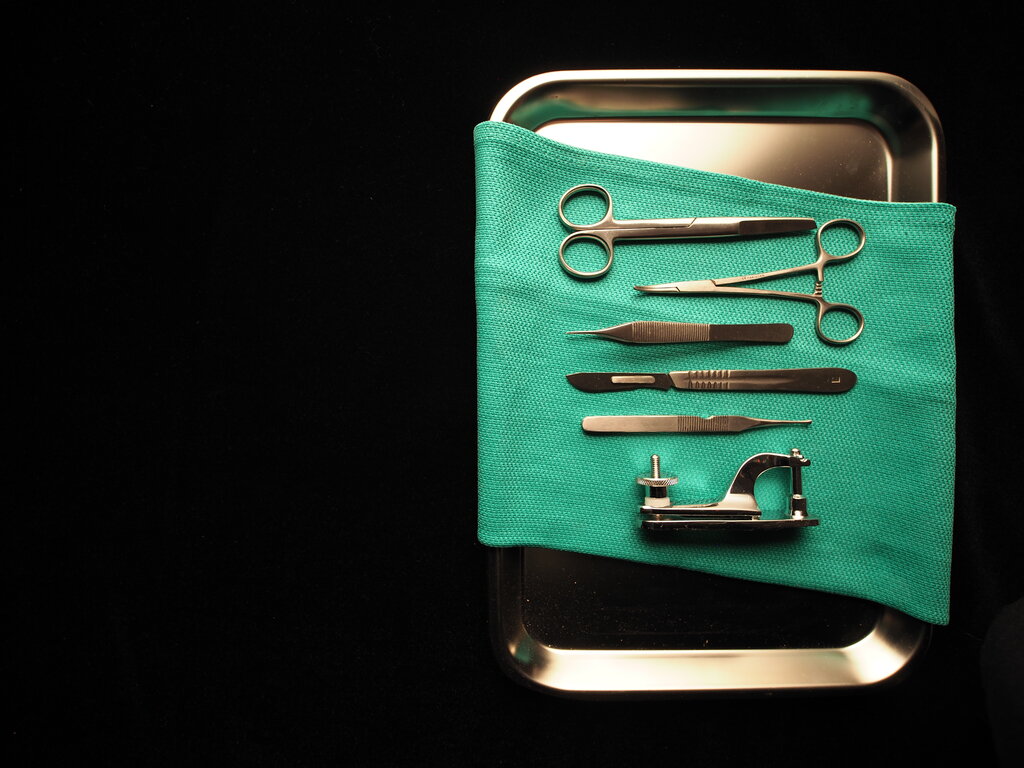
Performing a suture requires more than just a needle and thread. A specific set of tools allows you to work precisely and safely. The three core instruments you'll use are needle holders, forceps, and scissors. Each has a distinct job, and learning to handle them correctly is the first step toward mastering the technique.
Needle Holders
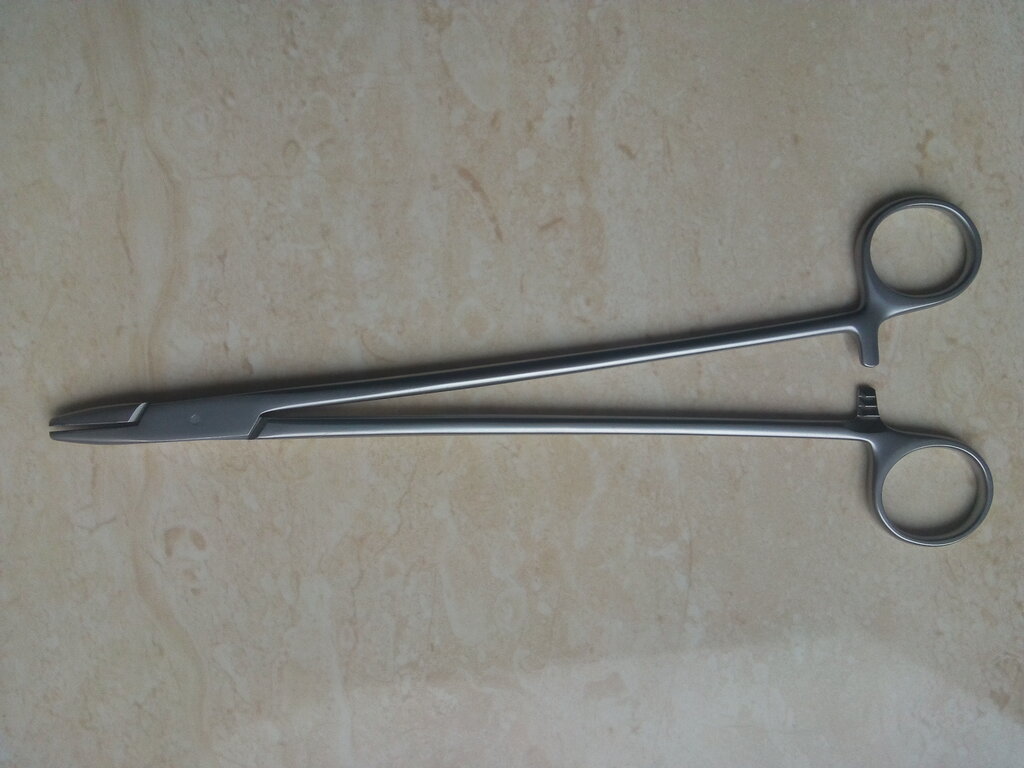
The needle holder, or needle driver, is arguably the most important tool. It securely grips the suture needle, acting as an extension of your hand to guide it through tissue. Its short, sturdy jaws are often cross-hatched to provide a firm grip on the needle.
Most needle holders have a locking mechanism called a ratchet just below the finger rings. This allows you to clamp the needle in place without continuous pressure, freeing you to focus on placement.
Proper handling is crucial for control. The most common method is the tripod grip. Your thumb and ring finger go into the rings, while your index finger rests along the shaft of the instrument. This grip provides stability and allows for precise rotation of the wrist, which is the primary motion for driving the needle through tissue.
Forceps for Tissue Handling
Forceps are essentially surgical tweezers used to grasp and manipulate tissue. They come in two main varieties: toothed and non-toothed (or smooth).
| Forceps Type | Best For | Why |
|---|---|---|
| Toothed | Skin and dense tissue | The small teeth provide a secure grip on tough tissue with minimal crushing force. |
| Non-toothed | Delicate tissues (e.g., blood vessels) | The smooth or serrated surface is less likely to cause trauma to fragile structures. |
Toothed forceps, like Adson forceps, are preferred for skin suturing because they hold the skin edge steady for the needle to pass through. You should hold forceps like a pencil. This allows for fine, delicate movements and avoids the temptation to squeeze too hard, which can damage the tissue.
Scissors and Sutures
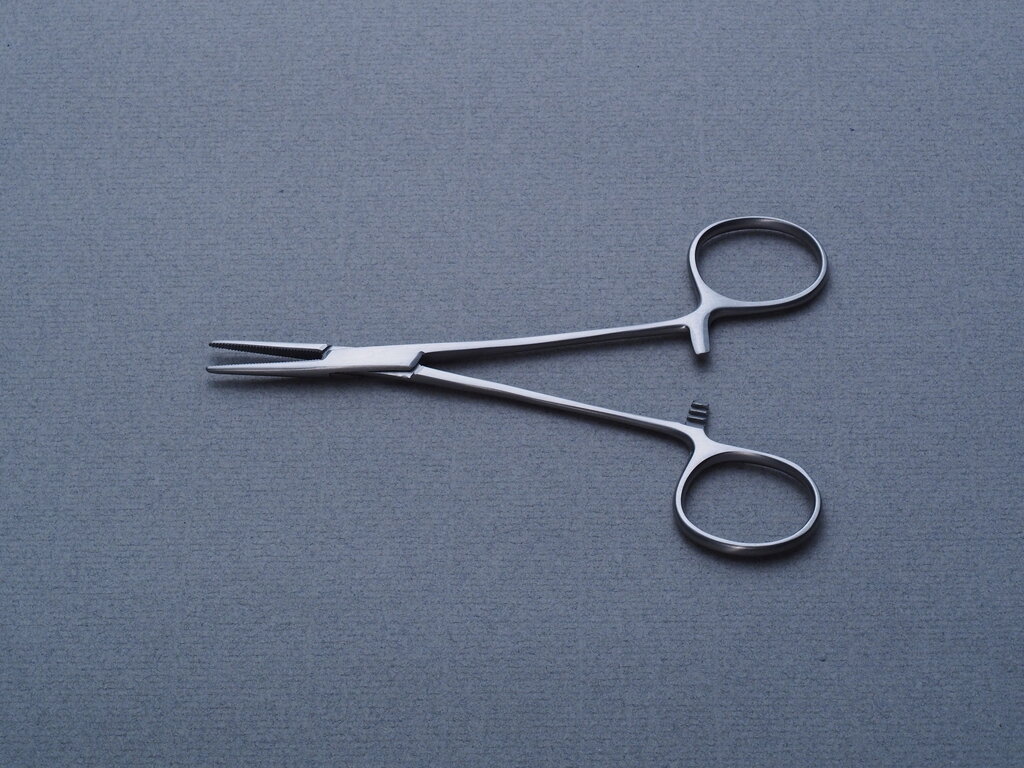
Surgical scissors are used for one primary task in suturing: cutting the suture thread. It's important to use dedicated suture scissors for this, as cutting other materials can dull the blades. They are handled with the same tripod grip as needle holders.
Never use suture scissors to cut tissue. Specific dissecting scissors are designed for that purpose.
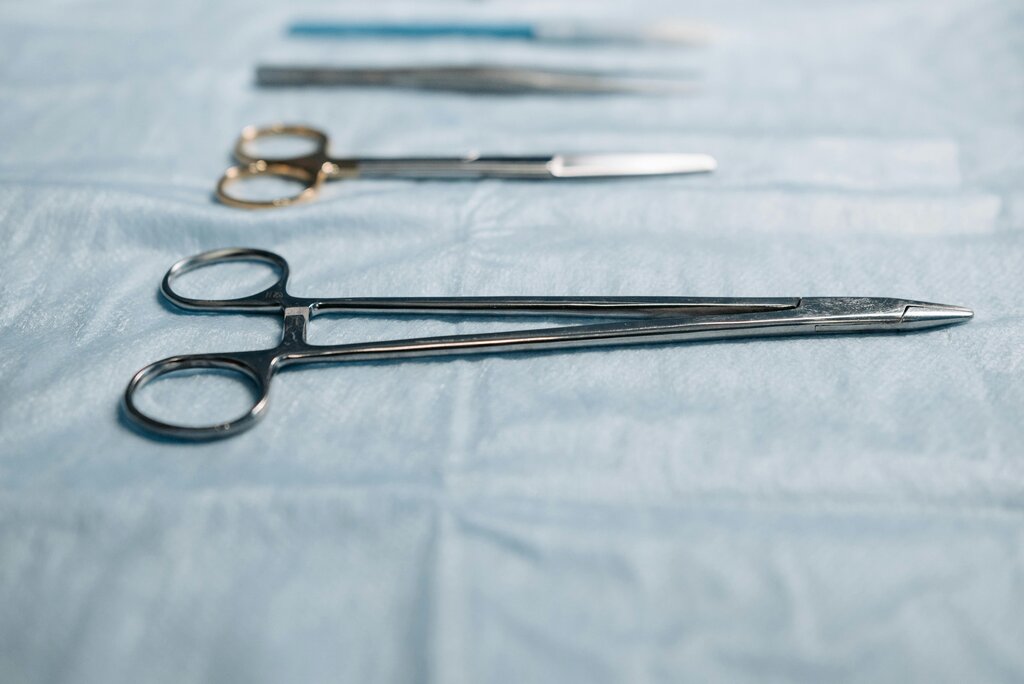
Finally, the suture itself consists of the needle and the thread material. Needles are almost always curved, which allows them to pass through tissue with a simple rotation of the wrist. They should be grasped by the needle holder about two-thirds of the way back from the point. Suture material comes in many types, but a key distinction is between absorbable sutures, which the body breaks down over time, and non-absorbable ones, which must be removed.
Now that you're familiar with the tools, let's test your knowledge.
What is the recommended grip for handling a needle holder to ensure stability and precise wrist rotation?
Why are toothed forceps, like Adson forceps, generally preferred for suturing skin?
Understanding these instruments is the foundation for developing good surgical habits and effective suturing skills.