Aboriginal Communication Systems
Introduction to Aboriginal Communication
More Than Words
Communication is about more than just speaking. For Aboriginal peoples across Australia, it involves a rich and complex system of oral traditions, art, and unspoken signals. These methods are not just ways to share information; they are the bedrock of culture, used to pass down history, laws, and spiritual beliefs from one generation to the next.
The Power of Oral Traditions
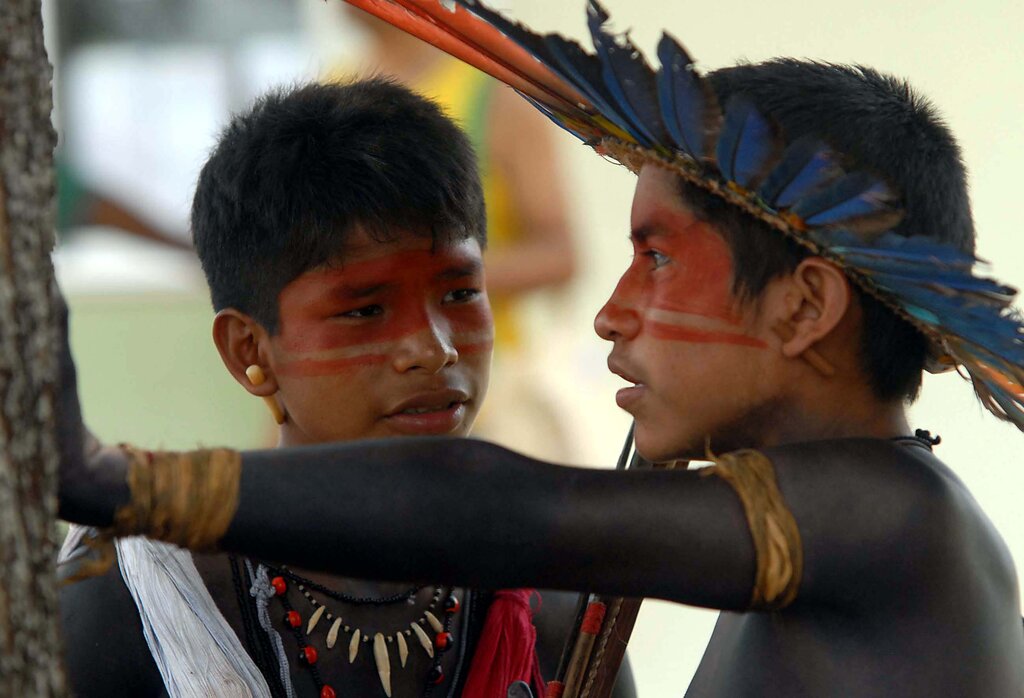
In many traditional Aboriginal societies, knowledge was preserved and transmitted orally, without a written language. This required incredible feats of memory. Elders were living libraries, responsible for holding and accurately sharing vast amounts of information. This included everything from family histories and territorial boundaries to complex laws and creation stories that explain the origins of the world.
This verbal passing of knowledge ensures that cultural information remains alive and relevant, adapted and retold in ways that resonate with the current generation while maintaining its core truths.
Stories are the threads that weave together the past, present, and future of a community.
Storytelling is central to this process. Aboriginal stories are not just children's fables; they are sophisticated educational tools. They carry lessons about survival, social responsibilities, and the spiritual connection to the land, known as Country. A story about a particular animal might also contain a map of a water source or a warning about a danger in the landscape. Through stories, laws are taught, history is remembered, and a person's place in the universe is understood.
Communicating Through Art
Art is another powerful form of communication. From ancient rock paintings to works on bark, sand, or the body itself, Aboriginal art is a visual language. It can depict historical events, creation stories (often called the Dreaming or Dreamtime), and maps of the land.
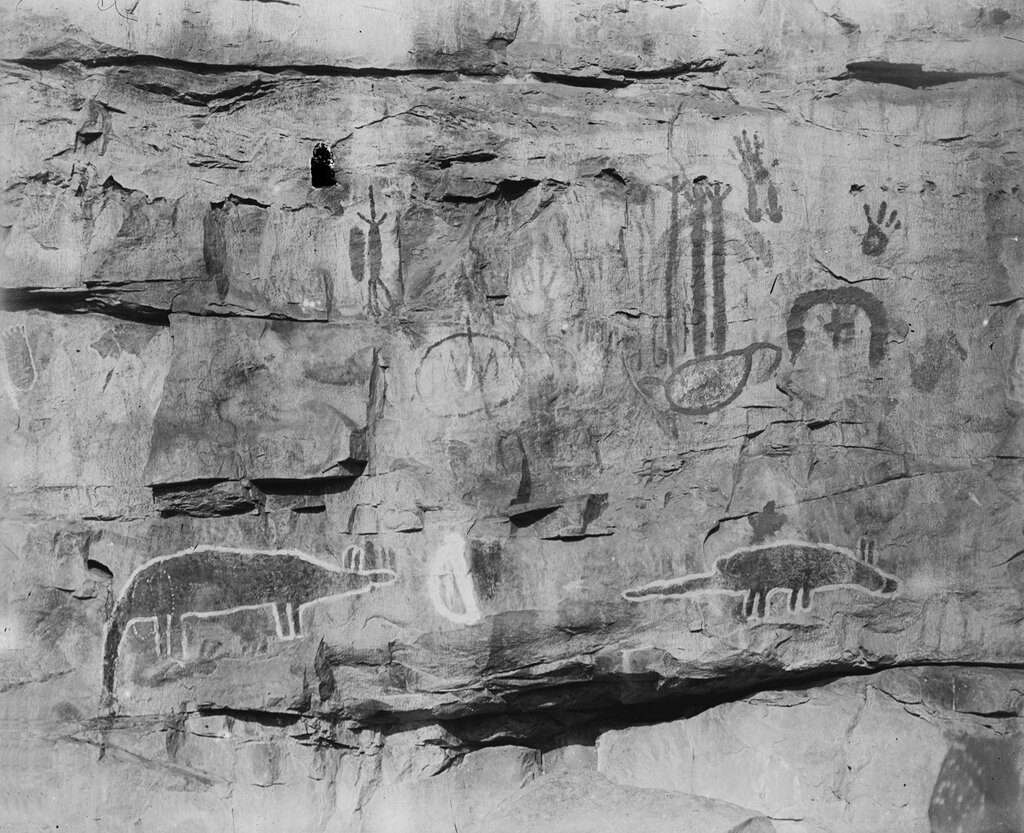
The symbols used in Aboriginal art are often layered with meaning. A simple circle might represent a campsite, a waterhole, or a star, depending on the context of the story. Some meanings are public and shared with everyone, while deeper, more sacred meanings are reserved for those who have undergone specific ceremonies or instruction. This way, art serves as a public record and a vessel for restricted cultural knowledge.
The Unspoken Language
Non-verbal cues also play a significant role in Aboriginal communication. Gestures, body language, and even silence can convey complex messages. For example, avoiding direct eye contact can be a sign of respect, rather than dishonesty. The use of personal space and the pace of conversation can also differ greatly from Western norms.
These unspoken rules are deeply ingrained in social interactions, guiding how people relate to one another and show respect. Understanding this silent language is crucial for meaningful cross-cultural communication.
Ready to test your understanding?
In many traditional Aboriginal societies, what was the primary role of Elders in preserving knowledge?
According to the text, what is a key function of storytelling in Aboriginal cultures?
Together, these diverse methods create a robust system for preserving and sharing knowledge, ensuring that Aboriginal cultures remain vibrant and connected to their deep history.