A/B Testing Essentials
Introduction to A/B Testing
What Is A/B Testing?
Imagine you're trying to sell a product. You have two different ideas for the packaging. Which one will sell more? Instead of guessing, you could put both on the shelf and see which one customers buy more often. That's A/B testing in a nutshell.
It’s a straightforward way to compare two versions of something to see which one performs better. In the digital world, instead of product packaging, you might test two different website headlines, button colors, or email subject lines.
A/B testing, also known as split testing, involves showing two versions of a webpage or app to different groups of users at the same time. You then compare which version drives more conversions or achieves a specific goal.
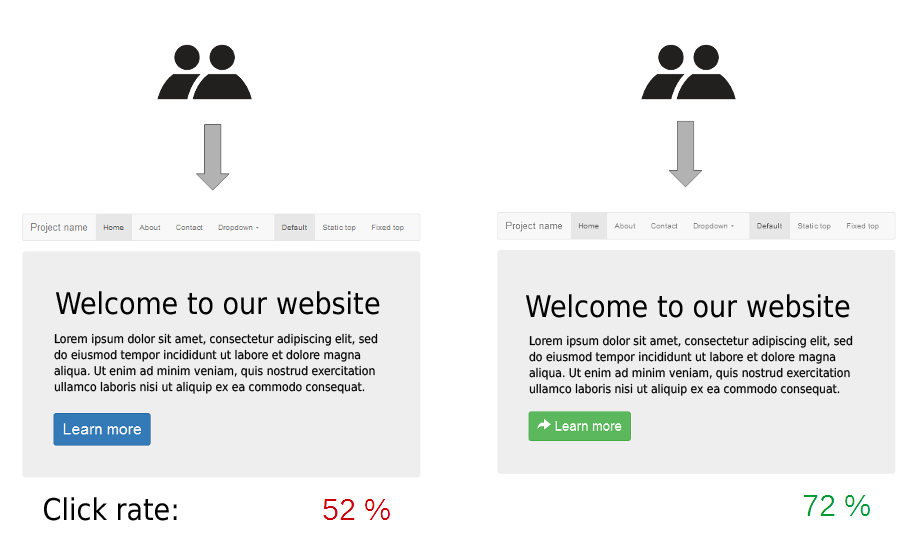
The original version is called the 'control' (Version A), and the new version is the 'variation' (Version B). By tracking how users interact with each version, you can gather data to determine which one is more effective. This process removes guesswork and lets real user behavior guide your decisions.
From Farms to Clicks
While A/B testing is now a cornerstone of digital marketing and product design, its roots go back over a century. The concept began in agriculture, where scientists would test different fertilizers on separate plots of land to see which produced a better crop yield. This method of controlled experimentation later found its way into clinical trials for new medicines.
In the 20th century, direct mail advertisers adopted the technique. They would send out two versions of a sales letter, each with a different headline or offer, and track which one generated more responses. With the rise of the internet, companies like Google and Amazon began using A/B testing on a massive scale to optimize every aspect of their websites, from button placement to search algorithms.
Why Bother with A/B Testing?
In a competitive market, small improvements can lead to big gains. A/B testing provides a scientific way to make changes that are proven to work, rather than relying on intuition or opinions.
A/B testing removes guesswork from decision-making, turning "we think" into "we know" based on actual user behavior and statistical evidence.
Making decisions based on data leads to better user experiences and improved business outcomes. For example, an e-commerce site might find that changing the color of their "Add to Cart" button increases sales by 5%. A news website might discover that a certain style of headline gets 20% more clicks. These aren't just minor tweaks; they can have a significant impact on revenue and user engagement.
A/B Testing in the Wild
A/B testing is used across countless industries to improve products and services. Here are a few examples:
- E-commerce: Online retailers test everything from product images and descriptions to the layout of their checkout process. The goal is to reduce cart abandonment and increase purchases.
- Media: News outlets and content creators test different headlines for the same article to see which one attracts the most readers. Netflix famously tests the artwork for its shows and movies to find the image that entices the most people to click play.
- Software Development: App developers might release a new feature to a small percentage of users to see how they interact with it before rolling it out to everyone. This helps catch bugs and validate that the feature is useful.
- Marketing: Marketers use A/B testing to optimize email campaigns, testing different subject lines, calls-to-action, and sending times to improve open rates and clicks.
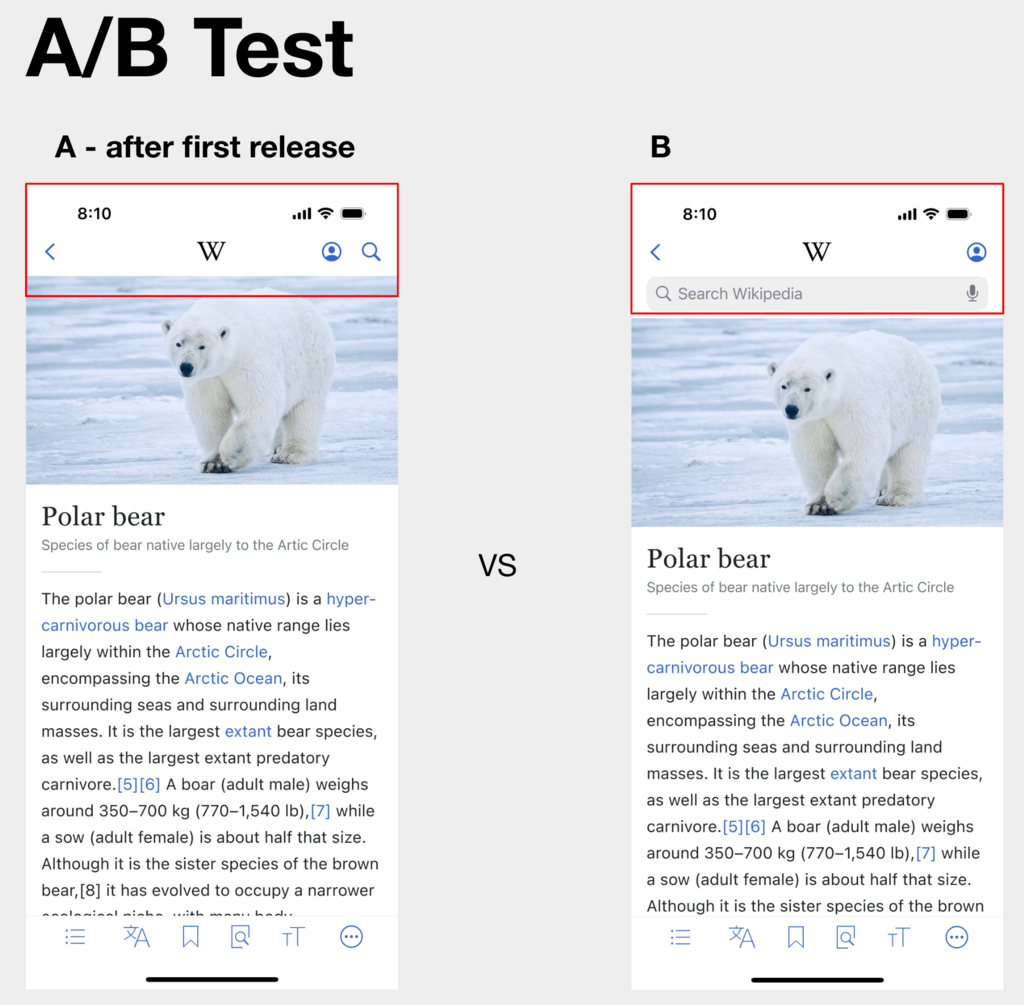
Essentially, if you can measure it, you can test it. This simple but powerful method helps businesses and organizations make smarter, evidence-based choices that lead to better results.
What is the primary purpose of A/B testing?
In the context of A/B testing, the original, unchanged version is called the _______.