A Whirlwind Tour of Fashion History
Introduction to Fashion History
What is Fashion History?
Fashion history is more than a timeline of hemlines and hairstyles. It’s the study of clothing as a language, a technology, and an art form. It explores why people wore what they did, and what those choices tell us about their lives, beliefs, and the world they lived in.
This field isn't just about dusty garments in museum cases. It connects what we wear to everything from trade routes and technological breakthroughs to social hierarchies and revolutions. By looking at clothing, we can uncover stories about class, gender, identity, and power that might otherwise be hidden.
Studying fashion history is like reading a society’s diary, written in fabric, thread, and silhouette.
Why Clothes Matter
Clothing has always been a powerful communicator. Before you even speak, your clothes have already said something about you. In the past, this was even more true. Garments could instantly signal a person's wealth, profession, marital status, and social standing.
Think about the materials used. Was a dress made of simple homespun wool or luxurious imported silk? The answer tells a story about economic systems and global trade. The invention of the sewing machine in the 19th century, for example, didn't just make sewing faster; it democratized fashion, making more complex styles accessible to more people. The development of synthetic dyes brought vibrant, lasting color to the masses, a luxury once reserved for the very rich.
Throughout history, fashion has served as more than just a means of clothing oneself; it has been a reflection of societal values, technological advancements, and cultural shifts.
Changes in society often lead to changes in fashion. When women began entering the workforce in greater numbers, their clothing became more practical. Skirts became shorter, and restrictive corsets were abandoned. Fashion isn't just a passive mirror; it can also be an active force for change, challenging norms and expressing new ideas.
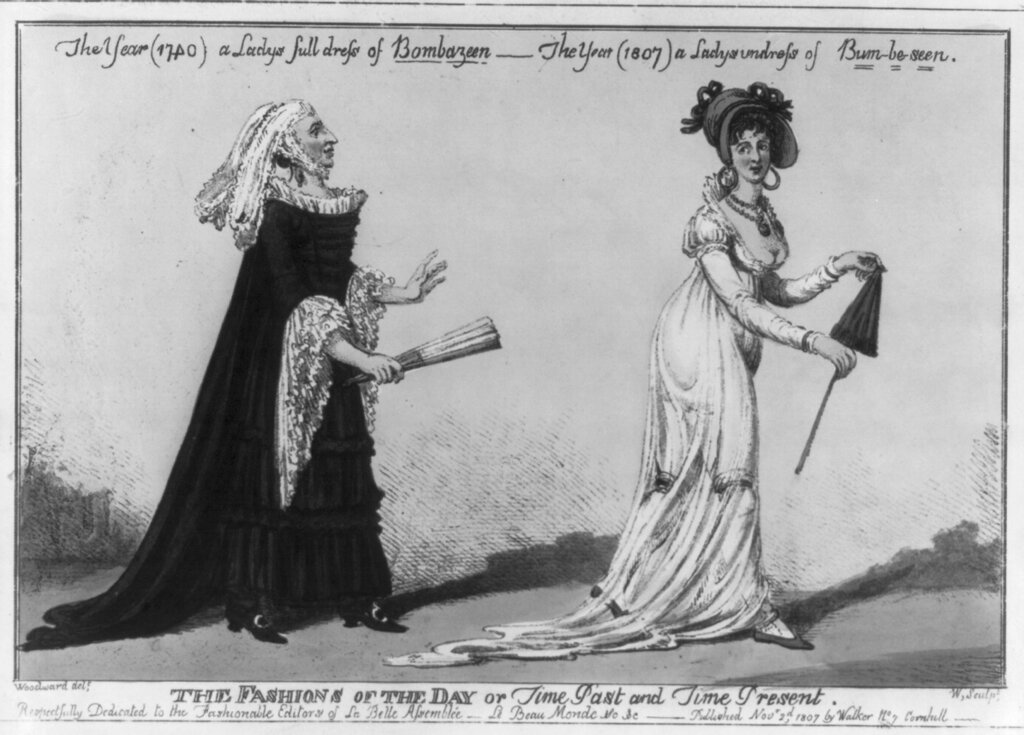
A Quick Trip Through Time
While we won't dive deep into specific eras here, it's helpful to have a bird's-eye view of fashion's evolution. Each period had its own distinct logic and aesthetic, shaped by the events and ideas of the time.
| Period | Key Characteristics |
|---|---|
| Antiquity (c. 3000 BCE–476 CE) | Draped garments like the toga and chiton, emphasizing the natural form of the body. |
| Middle Ages (c. 476–1450) | Simple, T-shaped tunics give way to more tailored and layered clothing. |
| Renaissance (c. 1450–1600) | Opulence and volume. Rich fabrics, slashing, and elaborate details showcased wealth. |
| 18th Century | Ornate and highly structured silhouettes for the aristocracy, like wide panniers for women. |
| 19th Century | Industrial Revolution impacts everything. Mass production begins, and styles change rapidly. |
| 20th Century | The birth of haute couture, rise of youth culture, and countless sub-styles. Fashion becomes a global industry. |
How We Study Fashion
How do historians piece together the story of clothing? They use a variety of methods and sources to understand what people wore and why.
-
Visual Evidence: Paintings, sculptures, and later, photographs are invaluable. They show us not just the clothes themselves, but how they were worn and in what context. However, it's important to remember that portraits often show people in their finest, idealized attire, not their everyday clothes.
-
Written Sources: Diaries, letters, and household account books can offer personal insights into clothing choices and costs. Magazines and periodicals, especially from the 19th century onward, document emerging trends and offer fashion advice.
-
Extant Garments: Surviving clothing items are the most direct evidence we have. Studying their construction, materials, and wear patterns provides a wealth of information. A museum artifact can reveal secrets about craftsmanship and technology that a painting cannot.
By combining these sources, historians can build a more complete and nuanced picture of fashion's role in the past.
It's time for a quick check on what we've learned.
According to the text, what is the primary focus of fashion history?
The invention of the sewing machine is significant in fashion history primarily because it:
Understanding fashion history gives us a new lens through which to view the past, revealing the intricate connections between what people wore and the world they inhabited.