A Whirlwind Tour of European Art History
Introduction to Art History
What Is Art History?
Art history is the story of human creativity. It's not just a timeline of paintings and sculptures, but an exploration of why people made them, what they meant, and how they reflect the world in which they were created. Instead of just admiring a beautiful object, an art historian asks questions: Who made this? When? What was happening in the world at that time? Who paid for it, and why?
Art history is more than memorizing dates and names—it’s a lens through which we understand human culture and creative evolution.
By studying a piece of art in its historical context, we can unlock a deeper understanding of the past. A painting can be a historical document, a political statement, a personal diary, or a religious icon. Art history gives us the tools to read these visual messages and understand the societies that produced them.
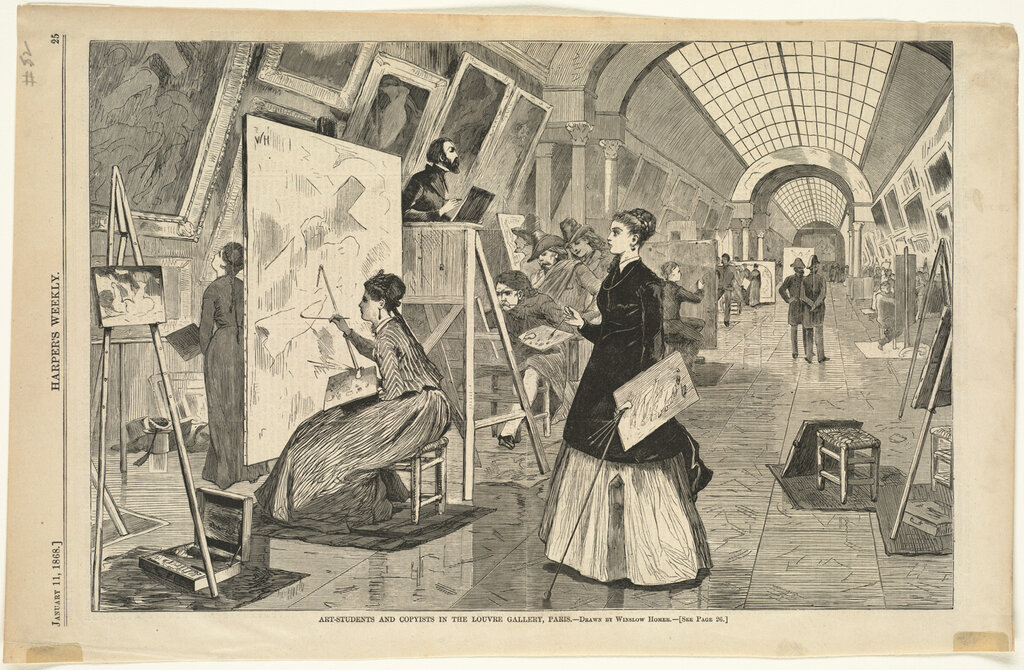
How to Look at Art
Analyzing art doesn't require a special talent, just a curious eye and a consistent method. Art historians typically use a few key approaches to understand a work.
Formalism
noun
The study of art based on its form and style. It focuses on the visual elements like color, line, shape, and texture, rather than the story or context.
Another method is iconography, which is the study of the symbols and themes in a work of art. For example, in many historical European paintings, a lily symbolizes purity and a skull represents death. Knowing these symbols helps decipher the artwork's intended message.
Think of it like this: Formalism is about how the story is told (the brushstrokes, the composition), while iconography is about what story is being told (the symbols and subject matter).
Finally, considering the context is crucial. This means looking at the social, political, and historical circumstances surrounding the artwork's creation. Who was the artist? Who was the patron that commissioned the work? What was the piece used for? Answering these questions provides a much richer understanding than just looking at the image alone.
A Brief History of European Art
European art from 1200 to the present is a sprawling, fascinating journey. We can sketch its path in a few broad strokes.
From the Middle Ages (c. 1200–1400), art was primarily religious. Created for churches, it featured stylized figures and rich symbolism designed to teach biblical stories to a largely illiterate population.
The Renaissance (c. 1400–1600) marked a dramatic shift. Inspired by classical Greek and Roman art, artists embraced humanism, focusing on the potential and beauty of humankind. They developed techniques like linear perspective to create realistic, three-dimensional scenes.
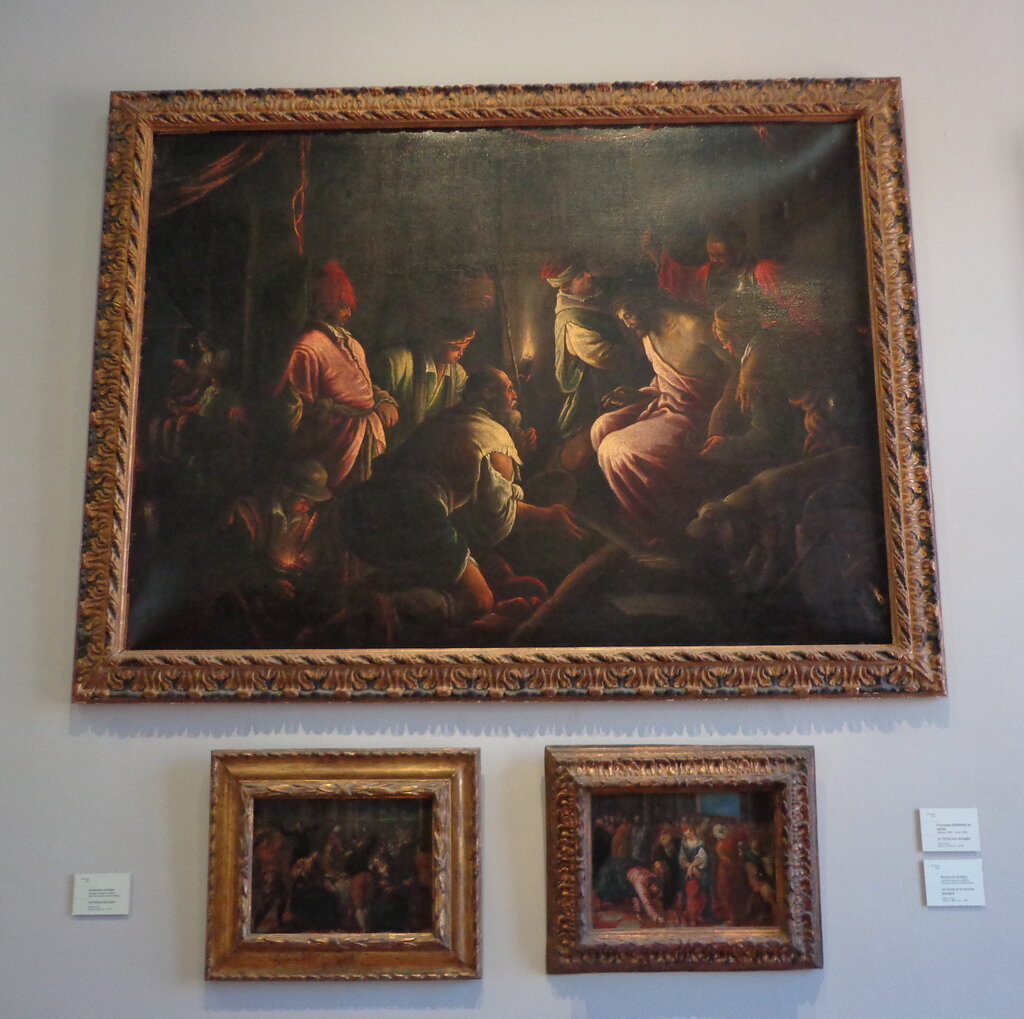
Following this period, movements like the dramatic and emotional Baroque (c. 1600–1750) gave way to the reason and order of Neoclassicism (c. 1750–1850). The 19th century saw the rise of many "-isms," as artists began to break from academic tradition. Photography challenged painting's role as a recorder of reality, freeing artists to experiment with light, color, and form.
This led to Modern Art (c. 1860–1970), a period of radical experimentation. Artists questioned the very definition of art, leading to movements from Impressionism to Cubism and complete abstraction. Since then, Contemporary Art continues to push boundaries, using every imaginable medium to comment on our complex, globalized world.
By studying art history, artists gain technical insight, creative inspiration, and historical context, while enthusiasts deepen their appreciation of masterpieces.
Now, let's test your understanding of these foundational concepts.