A-Level Computer Science Fundamentals
Introduction to Computer Science
What Is Computer Science?
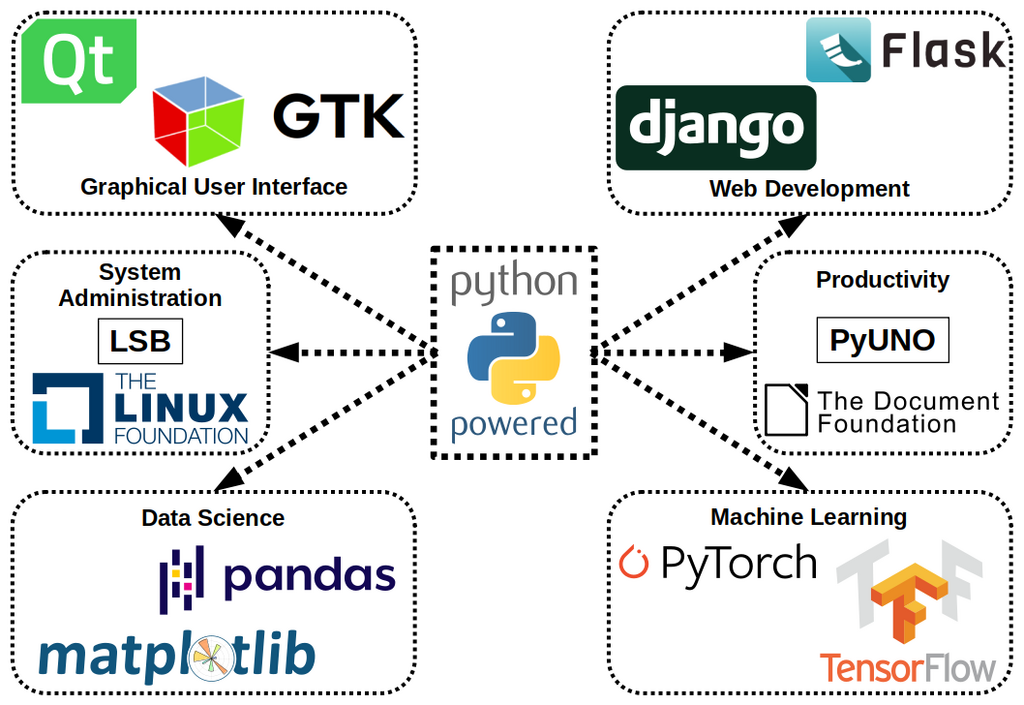
Many people think computer science is just about programming. While coding is a big part of it, it's really just a tool. At its heart, computer science is the study of problems, problem-solving, and the solutions that come out of that process. It's about figuring out how to use computers to do new things and to do old things better.
Think of it as the science of computation. It explores what can and cannot be computed, how to do it efficiently, and how to build the systems that perform these computations. This field touches everything from the tiny processors in your coffee maker to the massive networks that power the internet and the complex artificial intelligence that can write an article or create a piece of art.
Computer science isn't just about using computers. It's about understanding the principles of computation that make them work.
The scope of computer science is vast. It includes designing hardware, building software, creating secure networks, developing intelligent systems, and analyzing data. It's a creative field that combines logic, mathematics, and engineering to shape the world we live in.
A Brief History of Computing
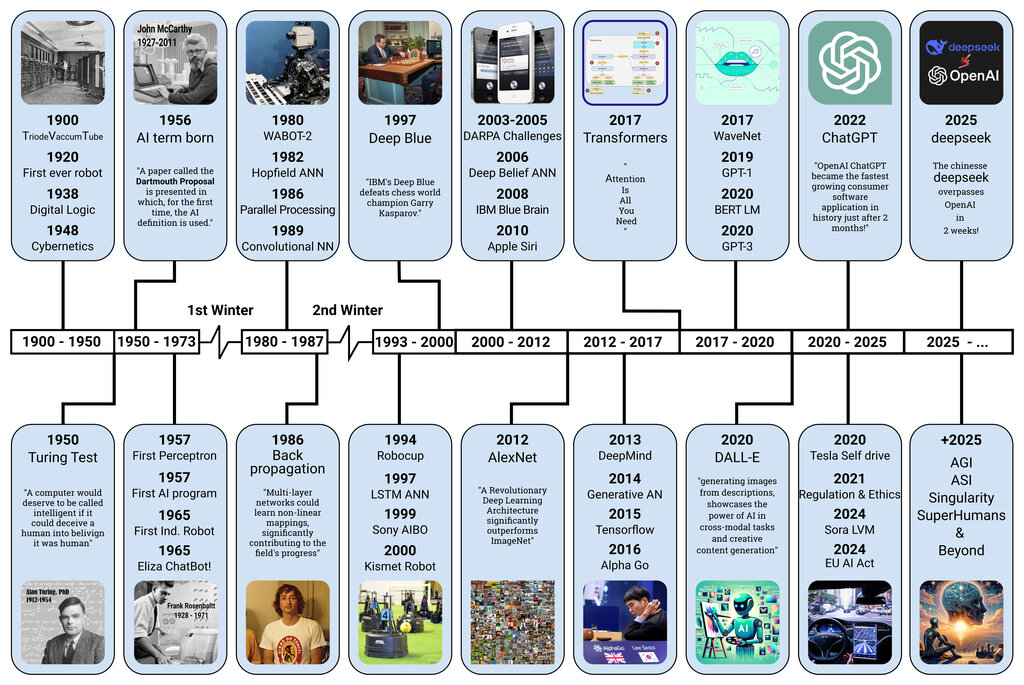
The ideas behind computer science are older than computers themselves. Early thinkers like Charles Babbage and Ada Lovelace imagined machines that could perform complex calculations in the 1800s. Lovelace is even credited with writing the first algorithm intended for such a machine.
The 20th century brought these ideas to life. Early electronic computers like ENIAC were enormous machines that filled entire rooms, used for military calculations during World War II. A major breakthrough was the invention of the transistor in 1947, which made computers smaller, faster, and more reliable.
This led to the personal computer revolution in the 1970s and 80s, bringing computing into homes and offices. The development of the internet and the World Wide Web in the following decades connected the world in ways never before possible, leading to the mobile, AI-driven era we live in today.
Thinking Like a Computer Scientist
You don't need to be a programmer to think like a computer scientist. The core of this discipline is a problem-solving approach called computational thinking. It's a way of breaking down large, complex problems into smaller, more manageable parts that a computer (or a person) can handle. It consists of four main pillars.
For example, how would you use computational thinking to plan a group trip?
- Decomposition: You'd break the big problem ("plan a trip") into smaller tasks: choose a destination, set a budget, book flights, book hotels, plan activities.
- Pattern Recognition: You'd notice patterns from past trips. Maybe booking flights on a Tuesday is cheaper, or certain hotels offer group discounts.
- Abstraction: You'd focus on the essential details for now (dates, budget, number of people) and ignore the less important ones (like the color of the rental car or the specific restaurant for every meal).
- Algorithm Design: You'd create a step-by-step plan: First, poll everyone for dates. Second, research destinations that fit those dates. Third, present options to the group. And so on.
This structured way of thinking is a powerful skill that can be applied to solve problems in almost any field, not just computer science.
Impact and Ethics
Computer science has fundamentally changed modern life. It powers our communication, entertainment, healthcare, and economies. It enables scientific discovery, from mapping the human genome to modeling climate change. The device you're using to read this is a product of decades of computer science innovation.
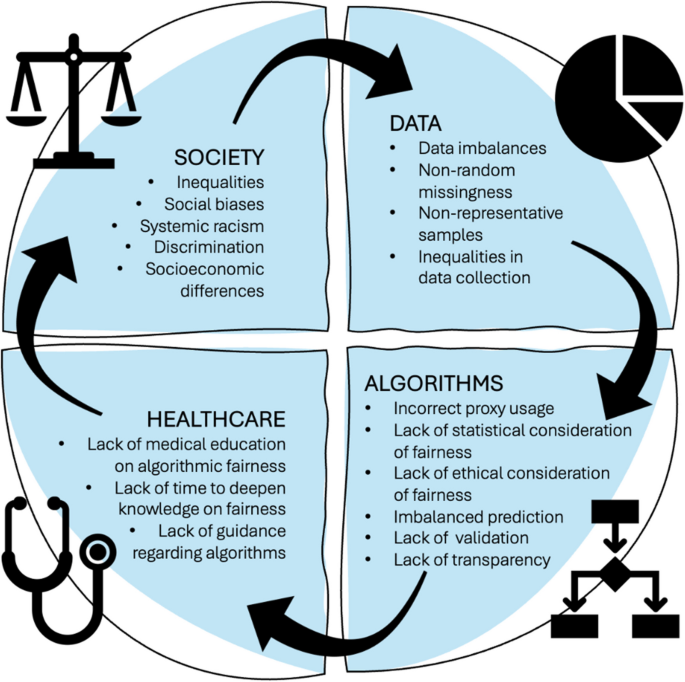
But this power comes with responsibility. As technology becomes more integrated into our lives, ethical considerations are more important than ever. Computer scientists must think about the consequences of their work.
| Ethical Question | Example |
|---|---|
| Privacy | How is personal data collected, stored, and used by apps and websites? |
| Bias | Can an algorithm used for hiring be biased against certain groups of people? |
| Security | How can we protect critical systems like power grids or hospitals from cyberattacks? |
| Accountability | Who is responsible when a self-driving car causes an accident? |
These aren't easy questions, and they don't have simple answers. A core part of studying computer science is learning to recognize and navigate these ethical dilemmas to build technology that is fair, safe, and beneficial for everyone.
Now, let's test your understanding of these foundational concepts.
What is the fundamental focus of computer science?
When planning a large event, you break the task down into smaller, more manageable parts: choosing a venue, sending invitations, arranging catering, and planning the schedule. Which pillar of computational thinking does this best represent?
This introduction gives you a glimpse into the world of computer science. It's a dynamic field that's not just about machines, but about creativity, problem-solving, and shaping the future.