A Journey Through Wine History
Ancient Origins
The First Vintners
The story of wine begins long before the grand symposia of Greece or the lavish banquets of Rome. It starts with a single plant: the Eurasian grapevine, Vitis vinifera. For thousands of years, humans have cultivated this vine, transforming its fruit into one of the world's most enduring beverages.
The journey from wild vine to cultivated crop was a slow one. Early farmers in the Near East began the process of domestication around 8,000 years ago. They selected vines that produced larger, juicier fruit, gradually creating the ancestors of the thousands of grape varieties we know today. This agricultural revolution laid the groundwork for turning simple fruit juice into a complex, celebrated drink.

Archaeological evidence points to the mountainous region of the South Caucasus, encompassing modern-day Georgia, Armenia, and Azerbaijan, as the cradle of winemaking. Chemical analysis of pottery jars from Neolithic sites in Georgia, dating to around 6000 BC, has revealed traces of tartaric acid, a key chemical marker for wine. These weren't just any pots; they were large vessels likely used for fermentation and storage, suggesting a deliberate and established practice.
With more than 8000 years of winemaking history, Georgia’s roots run deep, and the vineyards whisper tales of ancient traditions.
A Cave of Ancient Wine
One of the most remarkable discoveries comes from the Areni-1 cave complex in Armenia. Here, archaeologists unearthed the world's oldest known complete winery, dating back to approximately 4100 BC. The setup was surprisingly sophisticated.
Inside the cave, researchers found a shallow clay basin positioned to drain into a deep vat. This was a wine press. Grapes were placed in the basin and stomped by foot, and the juice flowed into the fermentation jar below. Nearby, they found drinking cups and grape seeds, leaves, and stems. The presence of these artifacts together paints a clear picture of an organized winemaking operation.
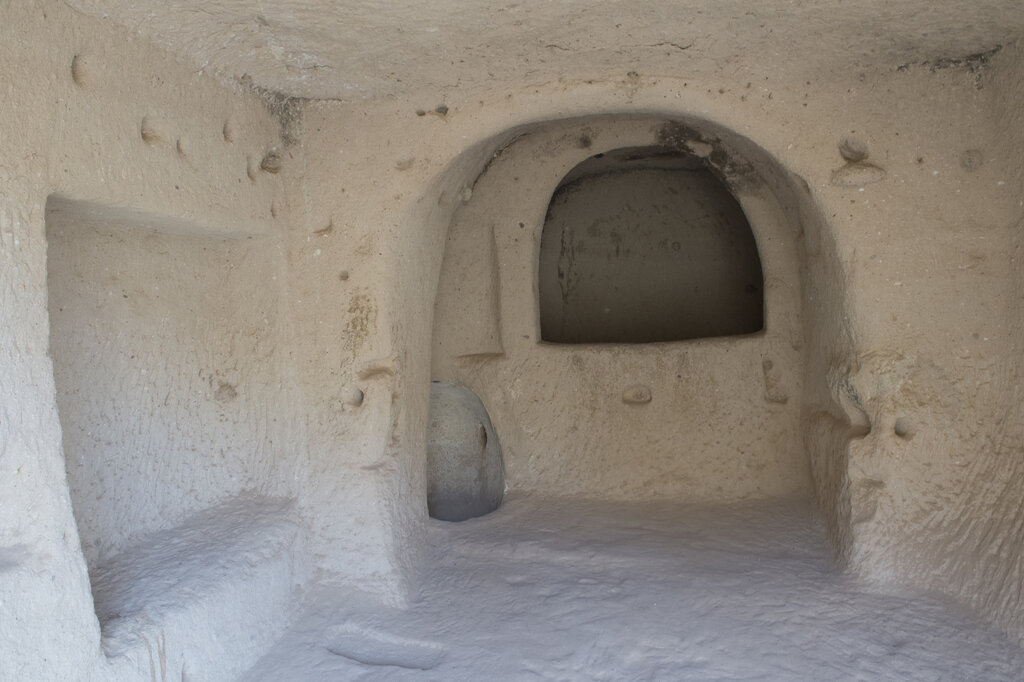
Why was this winery in a cave, surrounded by graves? The evidence suggests this wine was not for everyday consumption. Instead, it was likely produced for ceremonial purposes, perhaps as part of funerary rituals to honor the dead. This highlights wine's deep cultural roots and its early connection to spiritual life.
Wine in Early Cultures
As civilizations emerged in Mesopotamia and Egypt, wine became more than a ritual beverage. It was a valuable trade good, a marker of social status, and a part of daily life for the elite. It was also used for its medicinal properties and, in a time of often-unreliable water sources, as a safer liquid to drink.
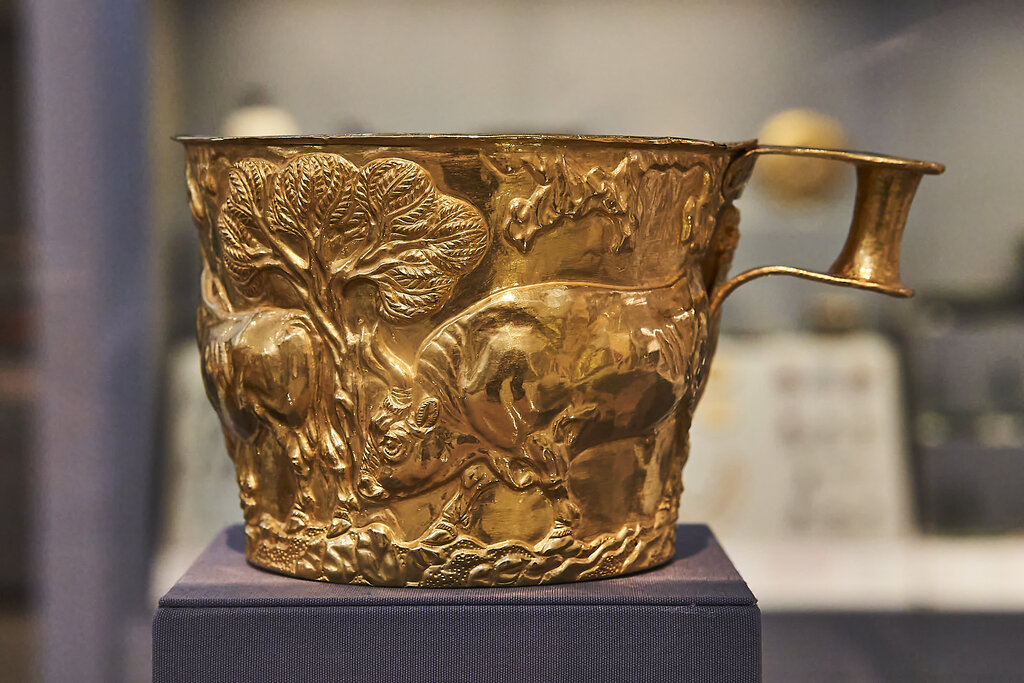
From sacred ceremonies in a remote Armenian cave to the tables of Mesopotamian kings, wine was woven into the fabric of ancient societies. It was a source of pleasure, a symbol of power, and a link to the divine. These early origins set the stage for the beverage's long and fascinating journey through human history.
Before we move on, let's review the key concepts from this section.
Now, check your understanding with a few questions.
According to archaeological evidence, where is the cradle of winemaking, with the earliest chemical traces of wine found?
What does the discovery of the world's oldest complete winery in the Areni-1 cave complex suggest about its primary purpose?
The foundation laid by these first vintners would influence cultures for millennia to come.