A Journey Through Ukrainian History
Ancient Ukraine
The First Inhabitants
The story of Ukraine begins long before any borders were drawn on a map. Archaeological evidence shows that early humans, likely Neanderthals, inhabited this region as far back as the Paleolithic era. They were hunter-gatherers, living in small groups and moving with the seasons. Sites like the Korolevo archaeological site in western Ukraine contain stone tools that are over a million years old, making them some of the earliest evidence of human presence in Europe.
For millennia, these early peoples adapted to the changing climates of the ice ages. They hunted mammoth, bison, and reindeer across the vast, cold grasslands. This long period laid the groundwork for the waves of settlement and civilization that would follow.
A Neolithic Revolution
Around 5400 BCE, a remarkable transformation began. The Cucuteni-Trypillia culture emerged, bringing agriculture and settled life to the region between the Carpathian Mountains and the Dnieper River. These weren't just small villages. The Trypillians built enormous settlements, some housing up to 15,000 people, making them among the largest population centers in the world at the time.
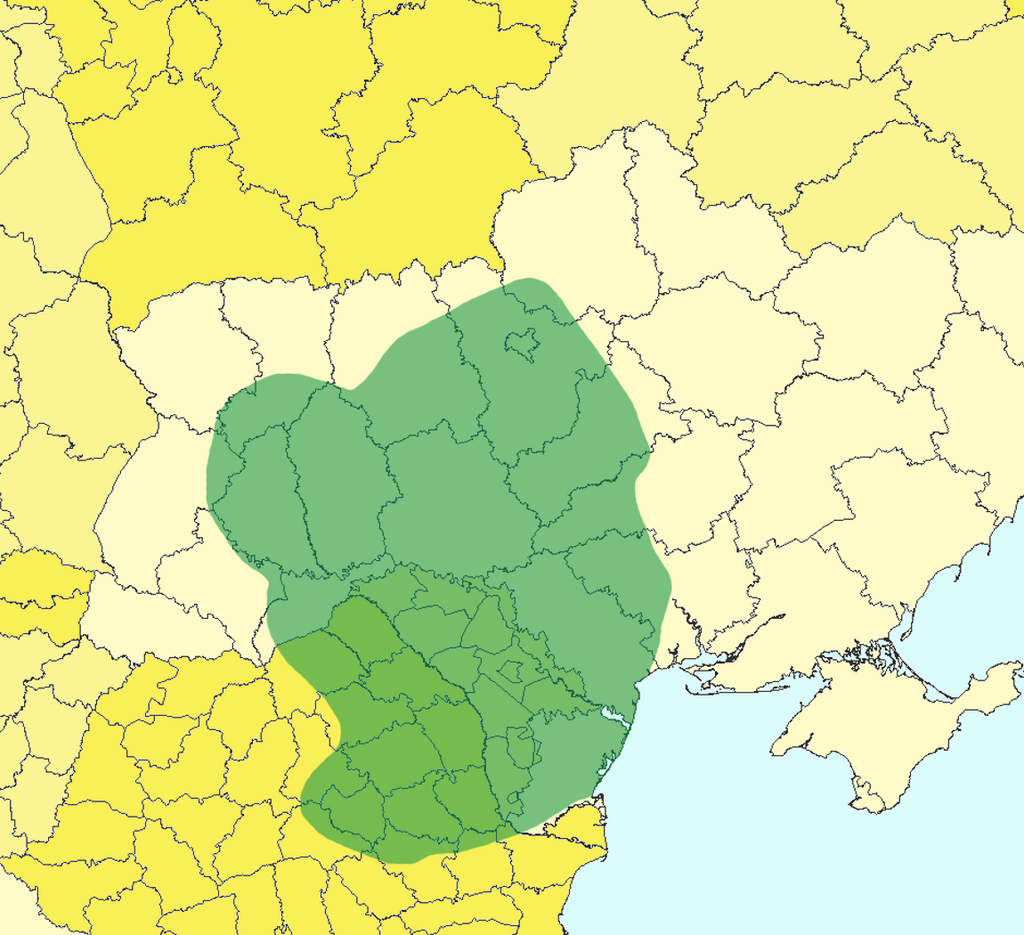
They were skilled farmers, cultivating wheat, barley, and peas. They are also famous for their distinctive pottery, decorated with intricate swirling patterns and abstract designs. One of the most intriguing aspects of their culture is the practice of burning their settlements every 60 to 80 years before rebuilding on top of the ashes. The reasons for this are still debated by archaeologists, with theories ranging from ritual cleansing to a defensive measure.
Riders of the Steppe
Around the 7th century BCE, a new power swept across the Ukrainian steppe: the Scythians. These were nomadic Iranian-speaking tribes renowned for their mastery of horseback riding and archery. They were fierce warriors who dominated a vast territory stretching from the Danube to the Don River.
Scythian society was organized around powerful chieftains who were buried in elaborate tombs called kurgans. These burial mounds were filled with treasures, including intricately crafted gold objects, weapons, and sacrificed horses, all intended to accompany the chief into the afterlife.
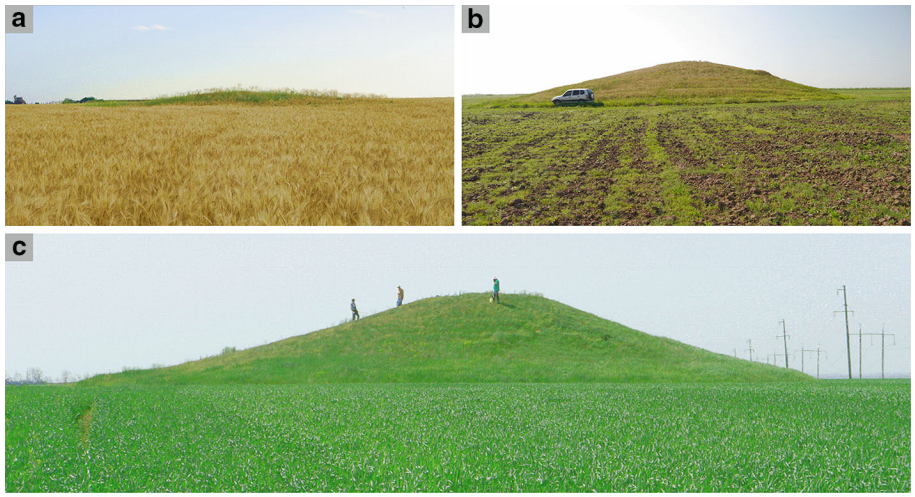
By the 3rd century BCE, the Scythians were gradually displaced by another nomadic group, the Sarmatians. Also of Iranian origin, the Sarmatians were culturally similar to the Scythians but were noted for the prominent role of their warrior women, which may have inspired the Greek legends of the Amazons. They controlled the steppe for several centuries before being pushed westward by the Goths and Huns.
Along the Black Sea
While nomadic peoples ruled the interior, the coastline of the Black Sea was changing. Beginning in the 7th century BCE, Greek colonists began establishing trading posts and cities along the shore. They were drawn by the region's rich resources, especially the abundant grain produced on the fertile black earth, or chornozem.
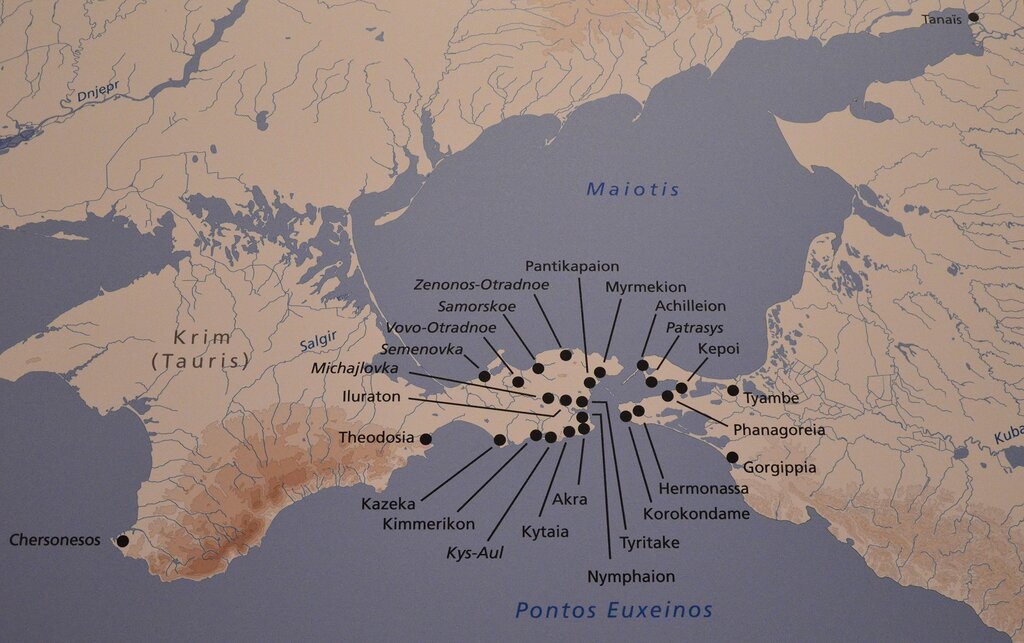
Cities like Olbia, Tyras, and Chersonesus became bustling centers of commerce. The Greeks traded wine, olive oil, and fine pottery for Ukrainian grain, fish, and enslaved people captured by the Scythians. This created a fascinating cultural exchange, where Greek art and ideas mingled with the traditions of the steppe nomads.
Later, as the Roman Empire expanded, its influence reached the Black Sea. While the Romans never conquered the Ukrainian interior, they established control over the Greek coastal cities. These cities became important outposts of the Roman world, connecting the empire to the vast lands and peoples to the north. This period set the stage for the migrations and upheavals that would eventually lead to the rise of the Slavs and the formation of Kievan Rus'.
What is the significance of the Korolevo archaeological site in western Ukraine?
What was a distinctive and mysterious practice of the Cucuteni-Trypillia culture?
These early layers of history, from the first hunter-gatherers to the interactions between steppe nomads and Mediterranean colonists, created a rich and complex foundation for the future of Ukraine.