A Journey Through the History of English Literature
Early English Foundations
From Monsters to Merchants
Before English was written, it was spoken and sung. Old English literature was an oral tradition, performed in mead halls to the sound of a harp. Its poetry wasn't about soft rhymes; it was about a strong, percussive beat created by repeating sounds at the beginning of words. This is called alliterative verse, and it gives the poetry a driving, rhythmic quality, perfect for telling tales of brave warriors and fearsome monsters.
The most famous surviving example is [{
}], an epic poem about a hero who fights a monster named Grendel, Grendel's mother, and finally, a dragon. It's a cornerstone of English literature.
This poetry was built on the Anglo-Saxon heroic code. This was a set of values celebrating strength, courage, and loyalty to one's lord. A warrior's reputation, or dom, was everything. They believed their lives were governed by wyrd, a powerful sense of fate or personal destiny. The world of Beowulf is grim, serious, and focused on the life-or-death struggles of heroes against a hostile world.
A French Invasion Changes Everything
In 1066, everything changed. William the Conqueror's Norman invasion brought a new language and a new social structure to England. For the next few hundred years, French became the language of the court, of law, and of power. English was spoken by the common people, but it was absorbing thousands of new French words.
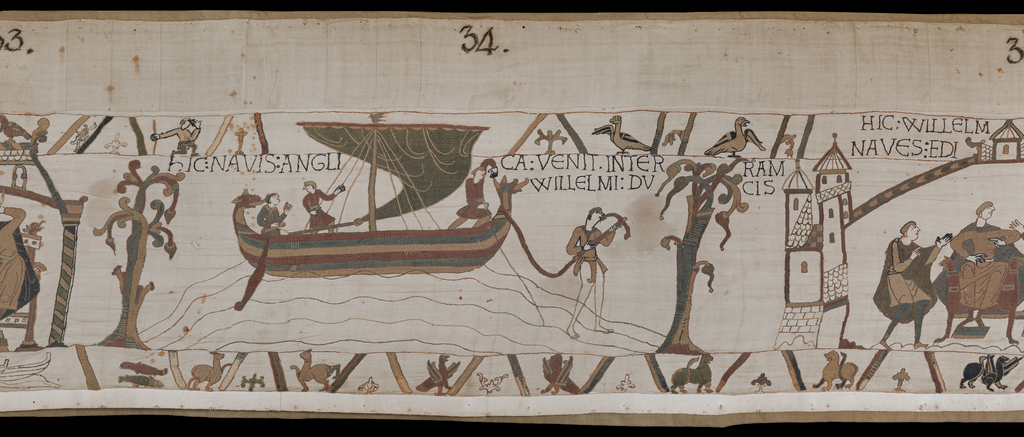
This linguistic mashup created Middle English, a language that looks and sounds very different from the Old English of Beowulf. Words for government (parliament, sovereign), law (judge, jury), and fine dining (beef, pork, poultry) flooded into the language from French, while the words for the animals themselves (cow, pig, chicken) remained English. This linguistic divide reflected the new social order of the imposed by the Normans.
The blending of Norman French with Anglo-Saxon English led to the emergence of Middle English, a language that integrated elements of both linguistic traditions.
Literary tastes changed, too. The grim, fatalistic world of the epic poem gave way to the romance. These weren't love stories in the modern sense, but tales of chivalrous knights, courtly love, and daring quests, often inspired by French traditions.
Chaucer and the New English
By the late 14th century, English had re-emerged as a vibrant literary language, and its greatest champion was Geoffrey Chaucer. His masterpiece, The Canterbury Tales, is a brilliant snapshot of medieval English society. Instead of focusing on mythical heroes, Chaucer turned his attention to ordinary people.
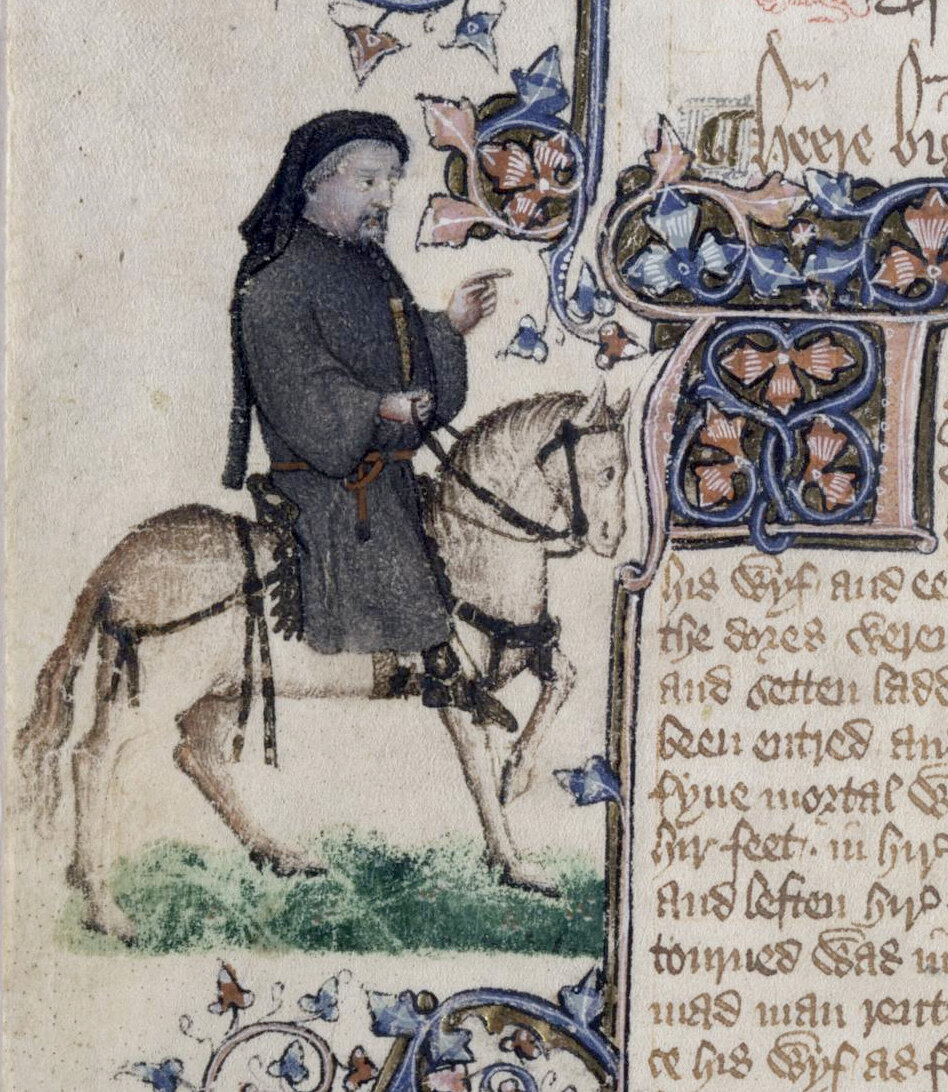
He used a technique called 'estates satire', gently mocking representatives from the three main social classes, or 'estates': the clergy (those who pray), the nobility (those who fight), and the peasantry (those who work). His pilgrims are not simple archetypes; they are complex, flawed, and deeply human individuals. The vain Prioress, the corrupt Pardoner, the boisterous Wife of Bath—they feel like real people.
Chaucer also popularised a new poetic form that would come to dominate English poetry for centuries: This smoother, more flexible rhythm was a world away from the harsh, chanting quality of alliterative verse. It allowed for a more natural, conversational tone, perfect for his witty character sketches.
| Feature | Old English (Beowulf) | Middle English (Chaucer) |
|---|---|---|
| Verse Form | Alliterative Verse | Iambic Pentameter |
| Main Genre | Epic | Romance & Satire |
| Core Subject | Heroic Code, Fate, Monsters | Social Classes, Human Nature, Pilgrimage |
| Language | Germanic | Germanic + Heavy French Influence |
The journey from Beowulf to The Canterbury Tales reflects the evolution of English society itself. The focus shifted from the fearsome, monster-haunted forests of the Anglo-Saxons to the bustling, gossipy roads of medieval England. The language absorbed new influences, the poetry found a new rhythm, and literature began to explore the rich, complicated tapestry of everyday life.
What was the primary poetic device used in Old English literature like Beowulf to create its strong, rhythmic quality?
The Norman Conquest of 1066 led to a significant influx of French words into the English language, particularly in areas like law and government.