A Journey Through Thai History
Prehistoric Thailand
The First Inhabitants
The story of Thailand begins long before any kingdoms or temples. Evidence suggests the first humans arrived in the region around 700,000 years ago. However, more substantial proof of modern human settlement dates back about 40,000 years. These early inhabitants were hunter-gatherers, living in small, mobile groups.
Archaeologists have pieced together a picture of their lives from remnants left behind in caves and rock shelters across the country. Stone tools, like choppers and cutting implements, show how they processed food and materials. Animal bones found at these sites reveal a diet rich in deer, wild cattle and smaller game. These early people understood their environment intimately, moving with the seasons to find food and shelter.
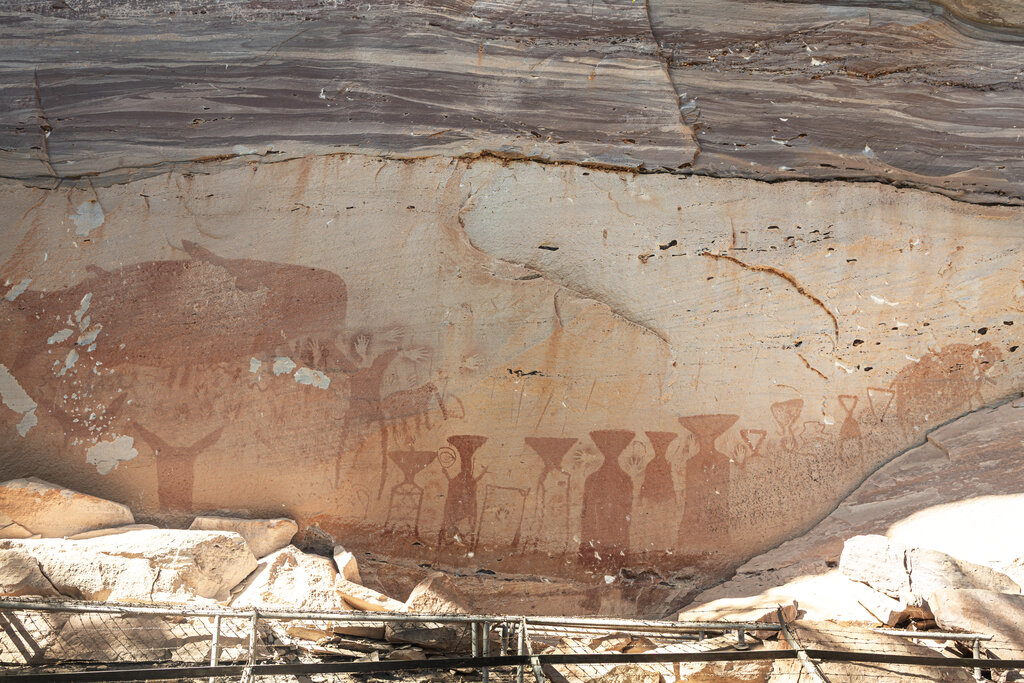
Cave paintings offer a more personal glimpse into their world. These artworks, created with mineral pigments like red ochre, depict animals, human figures and geometric shapes. They might have been part of rituals, stories or simply records of daily life. For these early communities, caves were not just homes but also sacred spaces.
The Shift to Farming
Around 4,000 BCE, a profound change began to sweep through the region. People started to settle in one place, cultivating plants and raising animals. This shift from a nomadic hunter-gatherer lifestyle to a settled agricultural one is known as the Neolithic Revolution. It didn't happen overnight but unfolded over many generations.
The development of rice cultivation was a crucial step. Early farmers began growing rice in the fertile river valleys, which provided a stable and plentiful food source. This allowed for larger, more permanent villages to form. Alongside farming, people began domesticating animals. Evidence shows they kept pigs, dogs and chickens, which provided meat, and in the case of dogs, help with hunting and protection.
With a steady supply of food from agriculture, populations grew, and communities had more time to develop other skills, such as pottery and weaving.
Early Connections
Settled life led to new forms of social organisation and technology. The Bronze Age began in Thailand around 2,000 BCE, much earlier than once thought. Artisans learned to mix copper and tin to create bronze, a durable metal used for tools, weapons and ceremonial objects like drums.
This technological advance wasn't developed in isolation. The techniques and styles of pottery and bronze work show clear connections with cultures in what is now southern China and Vietnam. These links suggest the existence of early trade networks. Communities likely exchanged raw materials, finished goods like pottery and jewellery, and, most importantly, ideas.
These interactions laid the groundwork for the complex societies that would later emerge. Prehistoric Thailand was not a remote backwater but a region connected to the broader developments happening across Southeast Asia.
Let's check your understanding of prehistoric life in Thailand.
According to archaeological evidence, when did substantial proof of modern human settlement first appear in the region of Thailand?
What was the most significant development that led to the transition from a nomadic hunter-gatherer lifestyle to settled villages in prehistoric Thailand?
From the first hunter-gatherers to the emergence of settled farming communities with regional connections, the prehistoric era set the stage for the vibrant cultures that would follow.