A Journey Through Swiss History
Prehistoric and Ancient Switzerland
The First Inhabitants
Long before Switzerland had a name, people called its valleys and lakeshores home. During the last Ice Age, glaciers carved out the dramatic landscape we see today. As the ice retreated around 12,000 BCE, nomadic hunters and gatherers followed migrating animals into the region. They lived in caves and simple shelters, leaving behind stone tools and animal bones as clues to their existence.
A major shift occurred during the Neolithic period (around 5,500 BCE) with the arrival of farming. People began to settle down, cultivate crops, and raise livestock. Some of the most fascinating evidence from this era comes from the iconic lakeside settlements, known as Pfahlbauten or pile dwellings. These were wooden houses built on stilts along the shores of lakes like Geneva, Neuchâtel, and Zurich. This construction protected them from floods and predators.
Archaeologists have uncovered thousands of these prehistoric settlements, which are now a UNESCO World Heritage site, offering a unique window into early European village life.
The Age of the Celts
Around 800 BCE, the Iron Age began, and new groups moved into the area. These were Celtic peoples, a collection of tribes sharing similar languages and cultures across Europe. The most prominent tribe to settle in the Swiss Plateau was the Helvetii. Their name is still used today in Switzerland's official Latin name, Confoederatio Helvetica, often abbreviated to CH.
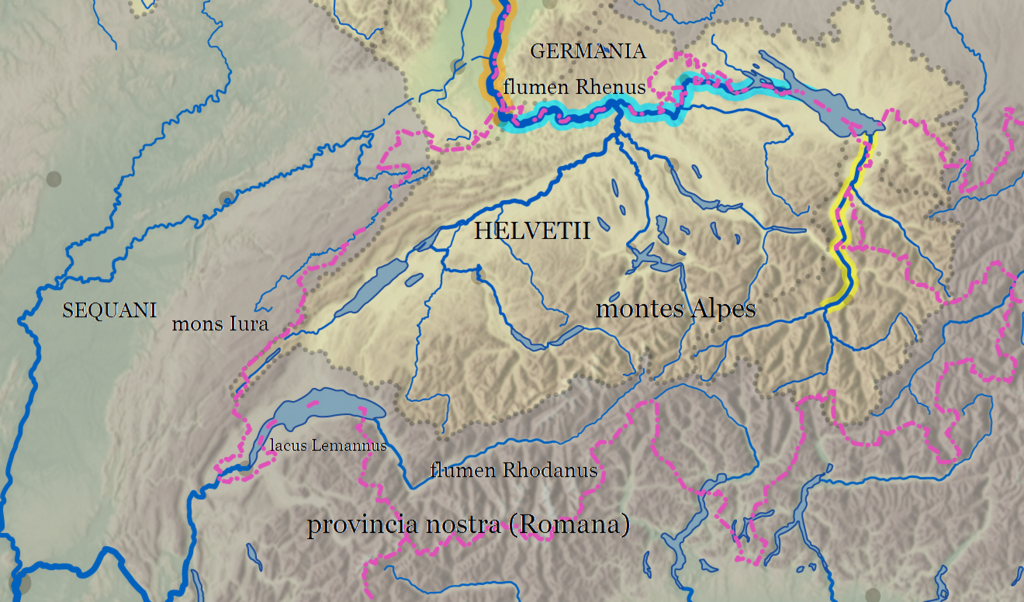
The Helvetii and other local tribes like the Rauraci and Allobroges were skilled farmers, artisans, and warriors. They lived in fortified settlements called oppida, which were economic and political centers. They traded goods with neighbors, including the Romans to the south and Germanic tribes to the north, developing a complex and thriving society.
Rome Arrives
The Celtic way of life changed dramatically in the 1st century BCE with the expansion of the Roman Republic. In 58 BCE, the Helvetii, feeling pressure from migrating Germanic tribes, decided to abandon their lands and move west into Gaul (modern-day France). This mass migration was seen as a threat by the Roman governor of the region, a man named Julius Caesar.
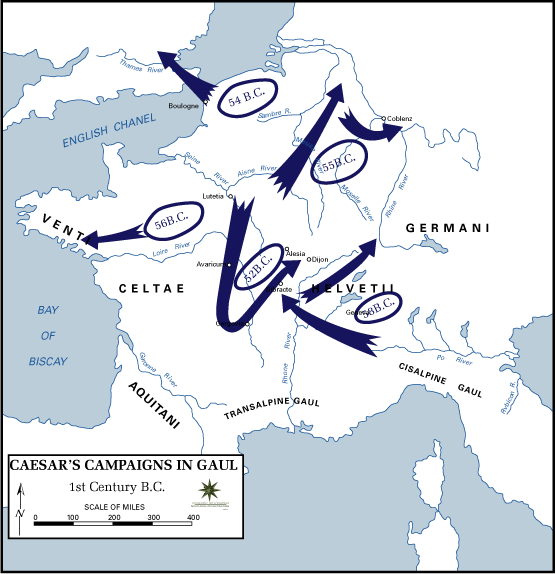
Caesar's legions confronted the Helvetii and their allies near the town of Bibracte. The Romans were victorious, and Caesar forced the surviving Helvetii to return to their homeland. His reasoning was strategic: he wanted them to act as a buffer, protecting the Roman frontier from further Germanic incursions. This event marked the beginning of Roman control over the Swiss Plateau.
Over the next few decades, the entire region was gradually integrated into the Roman Empire. The Romans were master builders and administrators. They established cities that became centers of Roman culture, such as Aventicum (modern Avenches), the capital of Roman Helvetia. Other key settlements included Augusta Raurica (near Basel) and Vindonissa (Windisch), a major legionary fortress.
These cities featured classic Roman amenities: forums, amphitheaters, bathhouses, and temples. The Romans also built an extensive network of stone-paved roads, connecting the region to the rest of the empire and boosting trade.
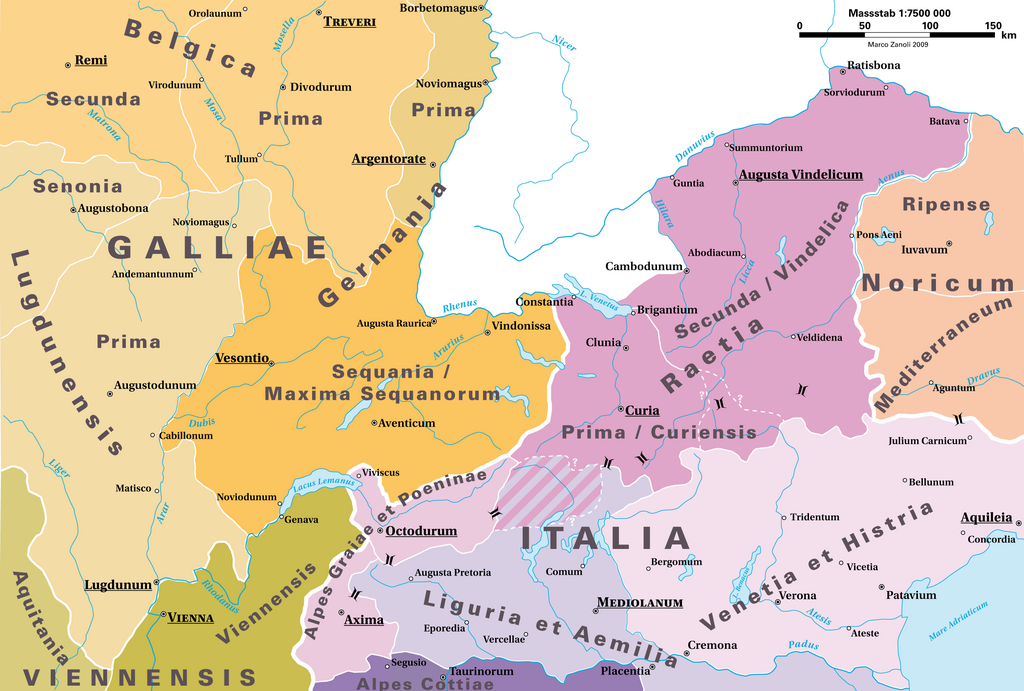
Roman rule brought about a period of peace and prosperity known as the Pax Romana. Latin became the language of government and commerce, influencing the local Celtic dialects and eventually giving rise to the Romansh language, which is still spoken in parts of Switzerland today. Roman law, architecture, and customs left a lasting mark on the land and its people, setting the stage for the next chapter of Swiss history.
Let's see what you've learned about ancient Switzerland.
What was the primary reason the Helvetii decided to migrate from their homeland in 58 BCE?
The iconic lakeside pile dwellings, or Pfahlbauten, were built during which historical period?