A Journey Through Russian History
Early Russian History
The River People
Long before Russia existed, the vast plains of Eastern Europe were home to scattered Slavic tribes. They were farmers and hunters, living in small communities. Their world was defined by the great rivers that crisscrossed the land, like the Dnieper, the Volga, and the Don. These rivers weren't just sources of water; they were highways for trade and communication, connecting the forests of the north with the Black Sea and the Byzantine Empire in the south.
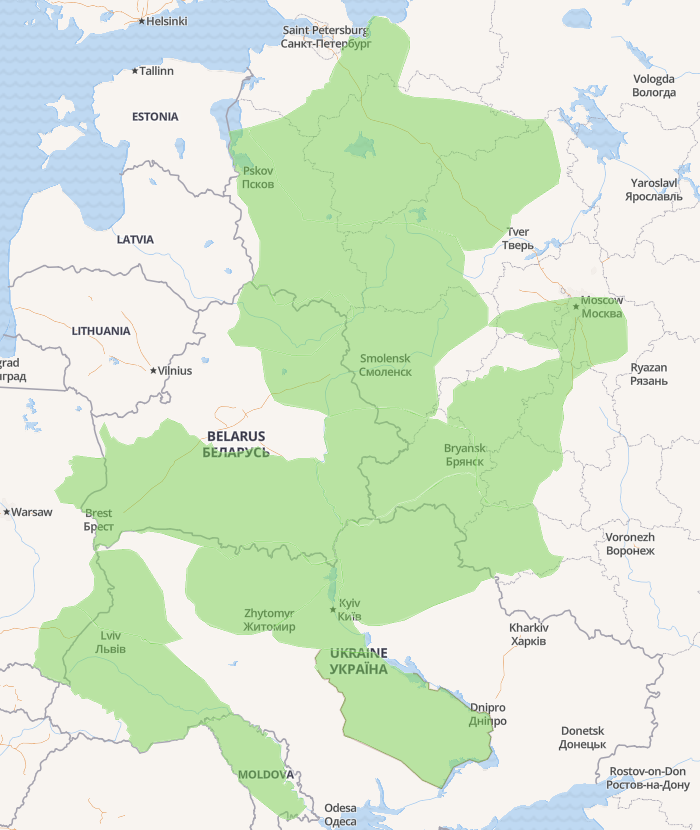
Life was often chaotic. The tribes fought among themselves and faced threats from other peoples. According to the earliest written history of the region, the Primary Chronicle, the Slavic tribes grew tired of the constant conflict. They decided they needed an outside ruler to bring order.
The Varangian Connection
The Slavs looked north, across the Baltic Sea, to a people they called the Varangians. We know them better as Vikings. These seafaring Norsemen were traders and warriors, known for their longships and their ambition. The chronicle tells us the Slavs sent a message: “Our land is great and rich, but there is no order in it. Come to rule and reign over us.”
Around 862, a Varangian leader named Rurik accepted the invitation. He established himself in the northern city of Novgorod. This marked the beginning of a dynasty that would rule for over 700 years. Rurik's successor, Oleg, moved south and captured the strategic trading post of Kyiv. He declared it the “mother of Rus' cities,” making it the new capital of a burgeoning state known as Kievan Rus'.
The Varangians weren't just conquerors. They were organizers who unified the Slavic tribes along the river trade routes into a single, powerful entity.
Under Varangian rule, Kievan Rus' flourished. It was less a centralized kingdom and more a federation of principalities, all paying tribute to the Grand Prince in Kyiv. The rulers collected furs, honey, and wax from the forest dwellers and traded them south to Constantinople, the dazzling capital of the Byzantine Empire, for silk, wine, and spices. This vital trade route, known as the “Route from the Varangians to the Greeks,” was the economic lifeblood of Kievan Rus'.
A Fateful Choice
By the late 10th century, Kievan Rus' was a major power in Eastern Europe. But it was also a pagan nation surrounded by powerful monotheistic states. Grand Prince Vladimir of Kyiv, later known as Vladimir the Great, understood that a shared faith could help unify his diverse subjects and elevate his state's standing in the world.
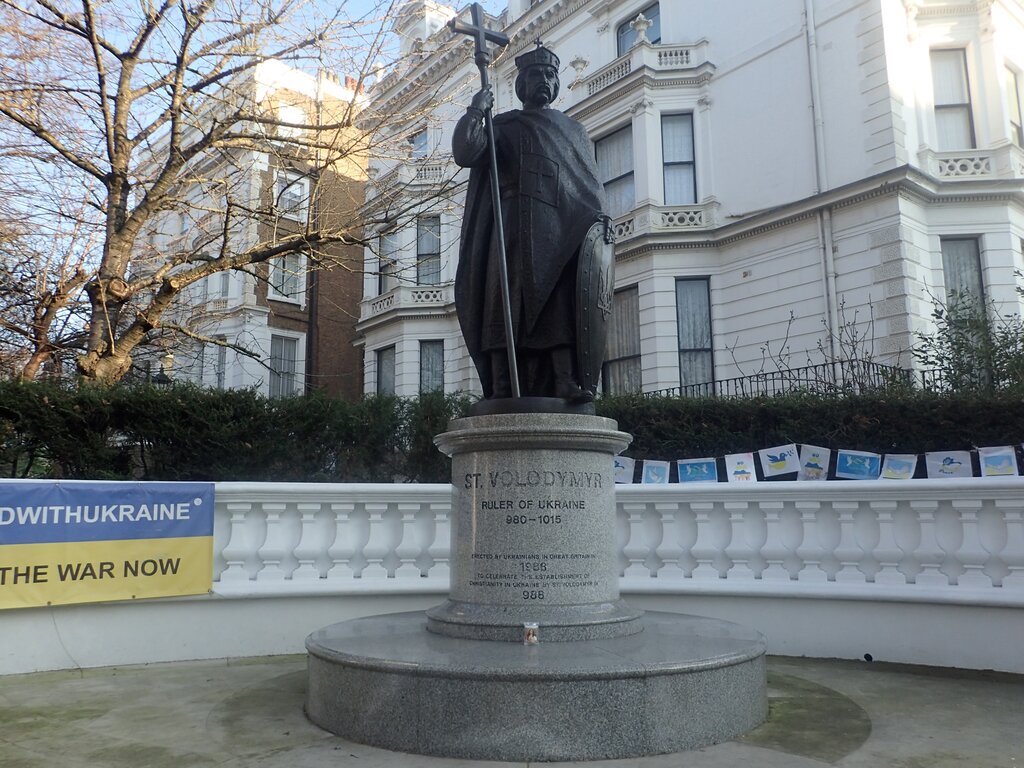
Legend says Vladimir sent envoys to observe the major religions of the neighboring lands. They dismissed Islam, practiced by the Volga Bulgars, because it forbade alcohol. They were unimpressed by the services of the German Catholics. But when his men reached Constantinople, they were awestruck by the beauty of the Hagia Sophia cathedral and the grandeur of the Orthodox Christian liturgy. They reported back to Vladimir, “We no longer knew whether we were in heaven or on earth.”
Vladimir’s choice was also a strategic one. Aligning with the Byzantine Empire, the most powerful and cultured state in the region, offered immense political and commercial advantages. In 988, Vladimir was baptized into the Orthodox faith and ordered a mass baptism of his subjects in the Dnieper River in Kyiv.
The adoption of Christianity in 988 was the single most important event in early Russian history. It shaped the culture, art, alphabet, and laws for centuries to come.
This conversion was a turning point. It brought Kievan Rus' into the orbit of Byzantine civilization. Missionaries introduced the Cyrillic alphabet, which allowed for the translation of religious texts and the development of a written language. Byzantine priests, artists, and architects arrived, bringing with them new styles of church-building and icon painting. The new faith provided a powerful sense of shared identity, laying the cultural groundwork for the modern nations of Russia, Ukraine, and Belarus.
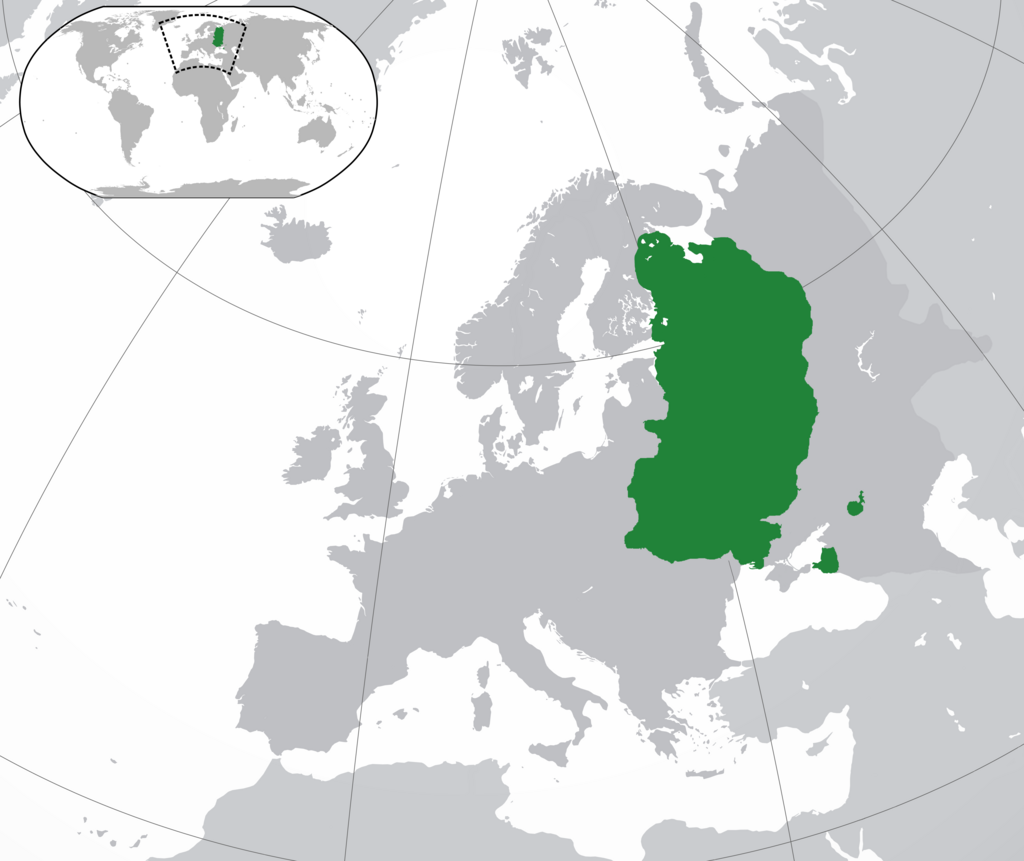
Let's review the key terms from this period.
Now, test your knowledge of how this early state was formed.
According to the Primary Chronicle, why did the Slavic tribes invite the Varangians to rule over them?
Who was the Varangian leader who first accepted the Slavs' invitation and established a dynasty in Novgorod around 862?
The establishment of Kievan Rus' and its adoption of Orthodox Christianity were the foundational events that began the long, complex story of Russia.