A Journey Through Music History
Introduction to Music History
What Is Music History?
Music history is the story of how sound and silence have been organized by people over time. It’s not just about famous composers or dusty sheet music. It’s about understanding why music sounds the way it does, and what it tells us about the people who made it.
By analyzing the musical output of different eras, we can gain insights into the values, beliefs, and aspirations of past societies.
Think of it as a kind of time travel. The instruments, melodies, and rhythms popular in a certain era are clues about its technology, social structures, and core beliefs. A hymn from the Middle Ages sounds very different from a jazz improvisation from the 1920s, and both sound different from a pop song today. Each one is a product of its unique moment in time.
A Timeline of Sound
To make sense of centuries of music, historians often divide Western music into periods. Each period has a distinct character, but the transitions between them are gradual. New ideas build on old ones, and styles often overlap.
This timeline is a useful map, but it's important to remember that it primarily covers the tradition of Western classical music. Many other rich musical histories developed in parallel all over the world.
Music as a Cultural Mirror
Music is deeply woven into the fabric of culture. It reflects who we are, where we come from, and what we value. The sounds, instruments, and traditions of a place tell a story about its history and people.
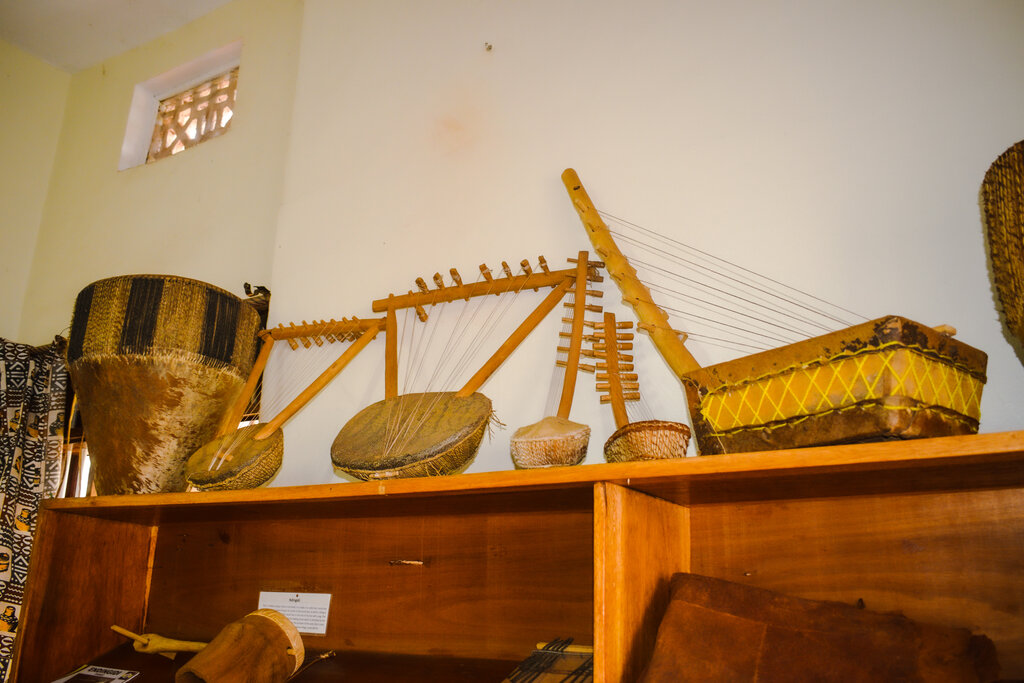
For example, the intricate drum patterns of West Africa are linked to specific languages and social events. The scales used in traditional Chinese music are connected to philosophical ideas about harmony and balance. In every culture, music takes on a unique flavor, shaped by local beliefs, materials, and social practices.
The Many Roles of Music
Music isn't just for entertainment. It serves many different functions in society, and these roles have changed throughout history. Understanding these roles helps us see the full picture of music's importance in human life.
| Role | Description | Example |
|---|---|---|
| Ceremonial | Used in religious services, rituals, and state functions. | Gregorian chant in a medieval church service. |
| Social | Brings people together for dancing, celebration, or community events. | Folk music played at a village wedding. |
| Political | Expresses national identity, protests injustice, or serves as propaganda. | A national anthem or a civil rights protest song. |
| Artistic | Created for aesthetic appreciation and listening in a concert setting. | A symphony performed in a concert hall. |
| Personal | Used for individual expression, comfort, or focus. | Listening to a favorite album to relax. |
These roles often overlap. A song can be both a piece of art and a political statement. A dance tune can be part of a social gathering and a cherished personal memory. By studying music history, we learn to hear all these layers of meaning.
What is the primary focus of music history?
The common timeline of Western music history (e.g., Medieval, Renaissance, Baroque) covers all major musical traditions from around the world.