A Journey Through Music History
Ancient Music
The First Melodies
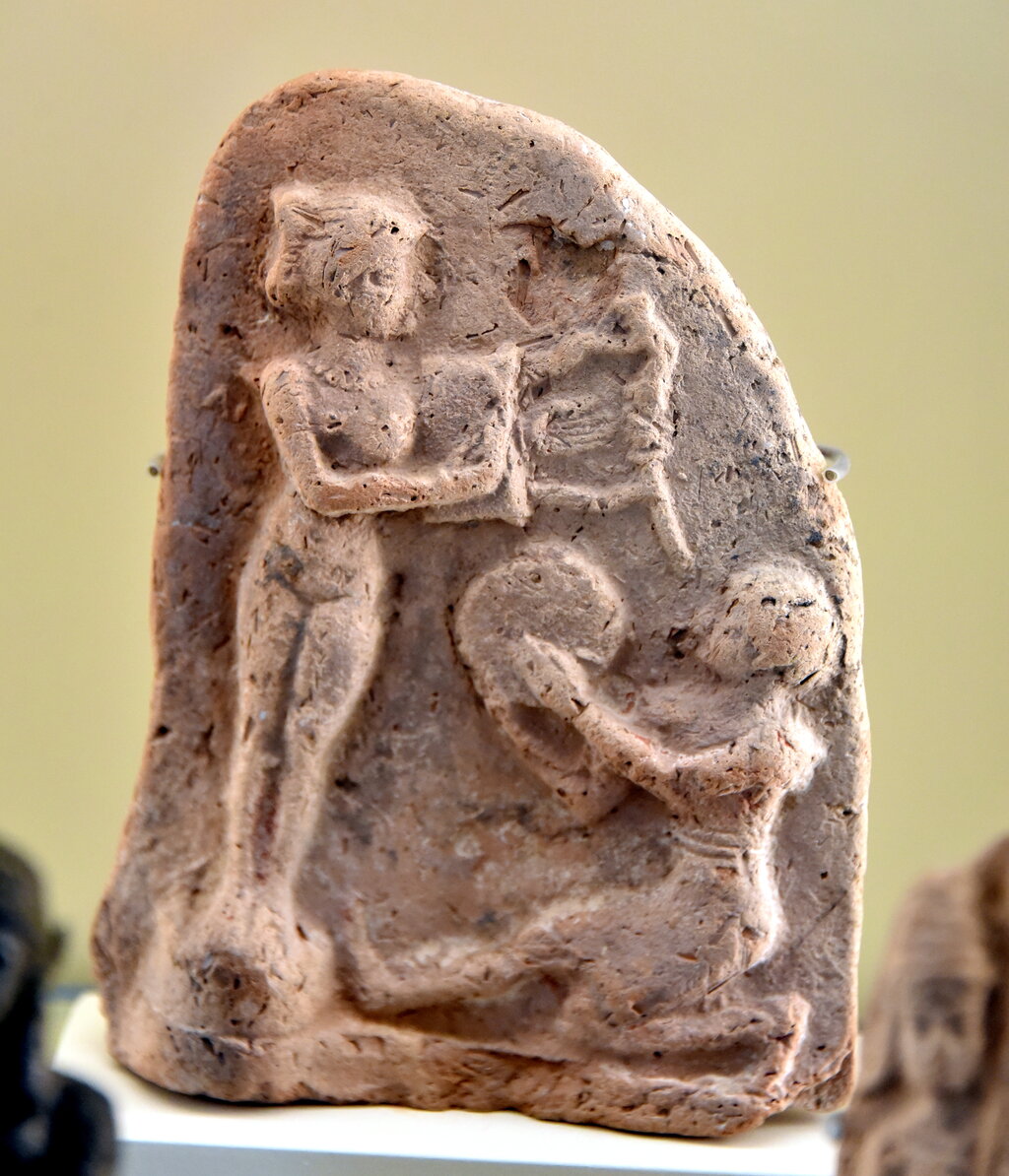
Music is as old as civilization itself. In ancient Mesopotamia, the land between the Tigris and Euphrates rivers, music was woven into the fabric of daily and spiritual life. The Sumerians, Babylonians, and Assyrians all used music in religious ceremonies, royal courts, and even private gatherings.
Archaeological finds, like the lyres and harps discovered in the Royal Cemetery of Ur, show a sophisticated understanding of instrument making. These stringed instruments, often decorated with precious materials, were central to their sound. They also used flutes, pipes, and percussion instruments like drums and cymbals. Cuneiform tablets from as early as 1400 BCE contain what experts believe are the oldest known examples of musical notation, offering instructions for tuning a lyre.
Music of the Pharaohs
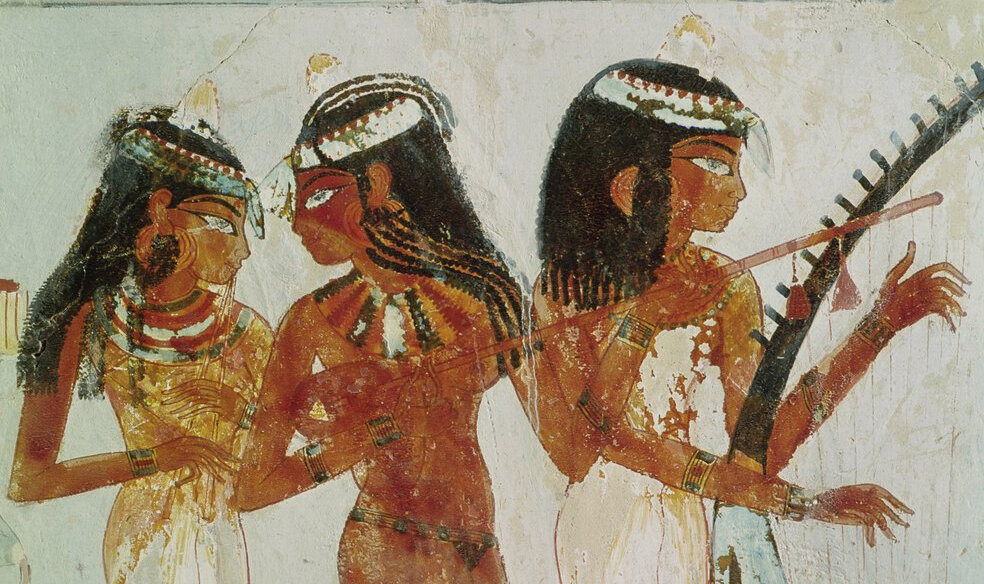
In ancient Egypt, music was a gift from the gods. It played a vital role in temple rituals, festivals, and funerals. Tomb paintings and reliefs give us a vivid picture of Egyptian musical life, showing ensembles of musicians playing for gods, pharaohs, and the deceased.
The Egyptians developed a wide array of instruments. Harps of all sizes, from small handheld ones to large floor-standing models, were common. They also played lutes, lyres, and various wind instruments like single and double-reed flutes. Percussion was provided by clappers, sistra (a type of rattle), and drums.
Harmony and Philosophy
For the ancient Greeks, music was inseparable from mathematics, philosophy, and civic life. It was a core part of education, believed to cultivate a balanced and virtuous soul. Music was essential to theater, religious ceremonies, and athletic competitions. The very word "music" comes from the Muses, the Greek goddesses of the arts.
Greek thinkers were the first to develop a comprehensive music theory. They believed that musical intervals corresponded to simple mathematical ratios, a discovery often attributed to Pythagoras. This idea that music was a reflection of a universal, mathematical order was profoundly influential.
The Greeks also developed the "Doctrine of Ethos," the idea that music could directly affect a person's character and emotions. Different musical modes, or scales, were thought to inspire different feelings. The Dorian mode, for example, was considered courageous and noble, while the Lydian mode was seen as relaxing or even indulgent.
ethos
noun
The characteristic spirit of a culture, era, or community as manifested in its beliefs and aspirations. In Greek music theory, it refers to the power of music to influence emotions and character.
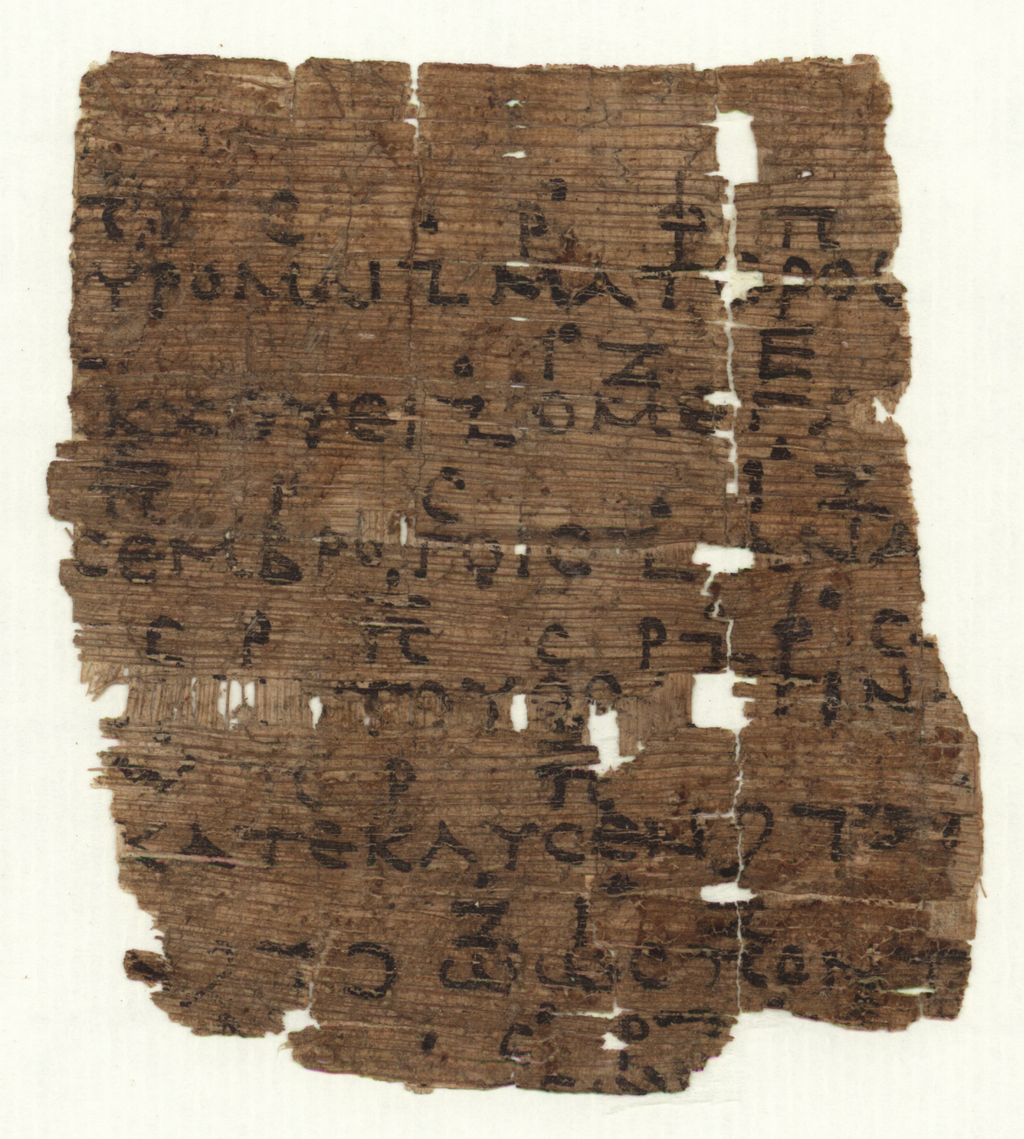
While most of their music is lost, we have some clues about how it sounded. The Greeks developed a detailed system of notation using letters of the alphabet placed above lyrics. A few fragments survive, the most complete being the Seikilos epitaph, a song carved on a tombstone from the 1st or 2nd century CE.
The Sound of the Empire
The Romans borrowed heavily from Greek musical culture, adapting their instruments, theories, and practices. Music was everywhere in Roman life, from the grand spectacles of the Colosseum to the private dinner parties of the elite. It was also a key part of military life, used for signaling commands on the battlefield.
Roman instruments were often bigger and louder than their Greek counterparts, suited for large public spaces. They developed powerful brass instruments like the tuba (a long, straight trumpet) and the cornu (a large circular horn). One of their most impressive innovations was the hydraulis, or water organ, which used water pressure to create a powerful, sustained sound.
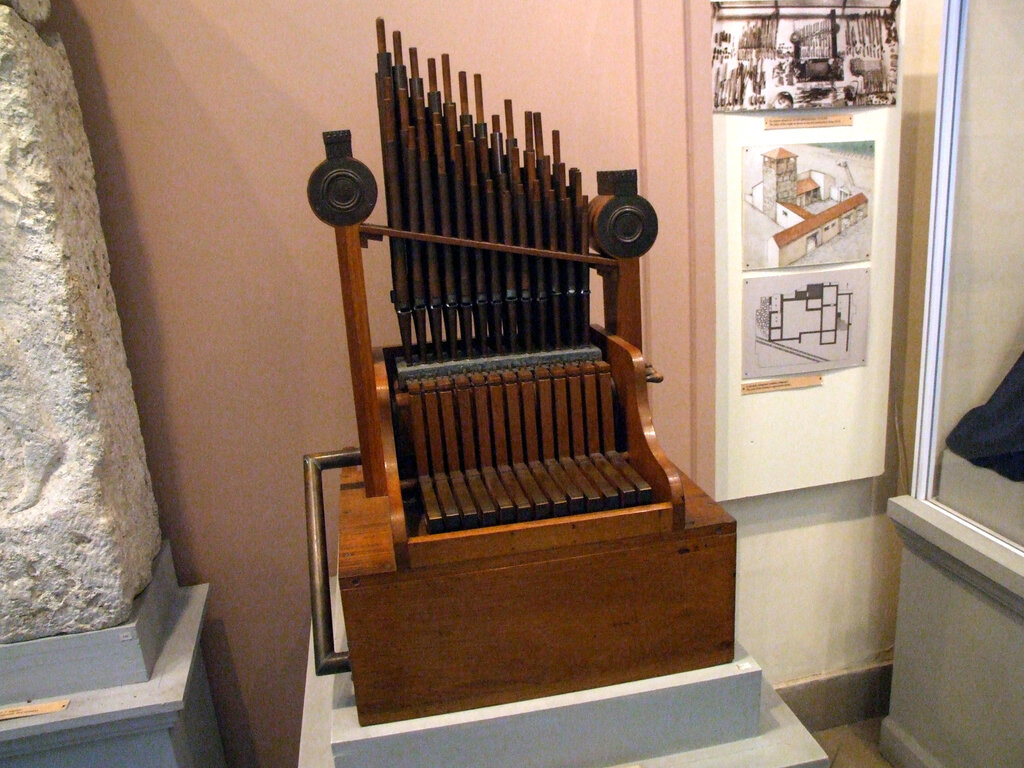
Despite its prevalence, we know less about the specifics of Roman music than Greek music. Unlike the Greeks, the Romans seem to have left behind very little in the way of musical notation. Their musical legacy lies more in its scale and social function than in theoretical treatises or written compositions.
Ready to test your knowledge?
What significant musical artifact was discovered on cuneiform tablets from ancient Mesopotamia, dating as far back as 1400 BCE?
In ancient Egypt, music's primary role was deeply connected to what aspect of life?
These ancient civilizations laid the groundwork for Western music, from the mathematics of harmony to the very idea that music can shape our world.