A Journey Through Modern American History
Gilded Age
A Gilded Façade
The late 19th century in America was a time of dazzling progress. Factories churned out new goods, railroads stitched the continent together, and fortunes were built overnight. On the surface, everything glittered. But as author Mark Twain suggested when he co-named the era, this shine was just a thin layer of gold paint, or gilding, covering serious social problems underneath. This period, roughly from the 1870s to the early 1900s, is known as the Gilded Age.
The Engines of Industry
Following the Civil War, the United States transformed from a largely agricultural nation into an industrial powerhouse. A wave of inventions and new processes fueled this change. The Bessemer process, for example, made it possible to mass-produce strong, cheap steel. This steel built the skyscrapers, bridges, and machines that defined the era.
Simultaneously, the discovery of vast oil reserves and the harnessing of electricity created new industries and powered old ones more efficiently. Factories no longer needed to be near rivers for water power; they could be built anywhere, leading to the explosive growth of cities.
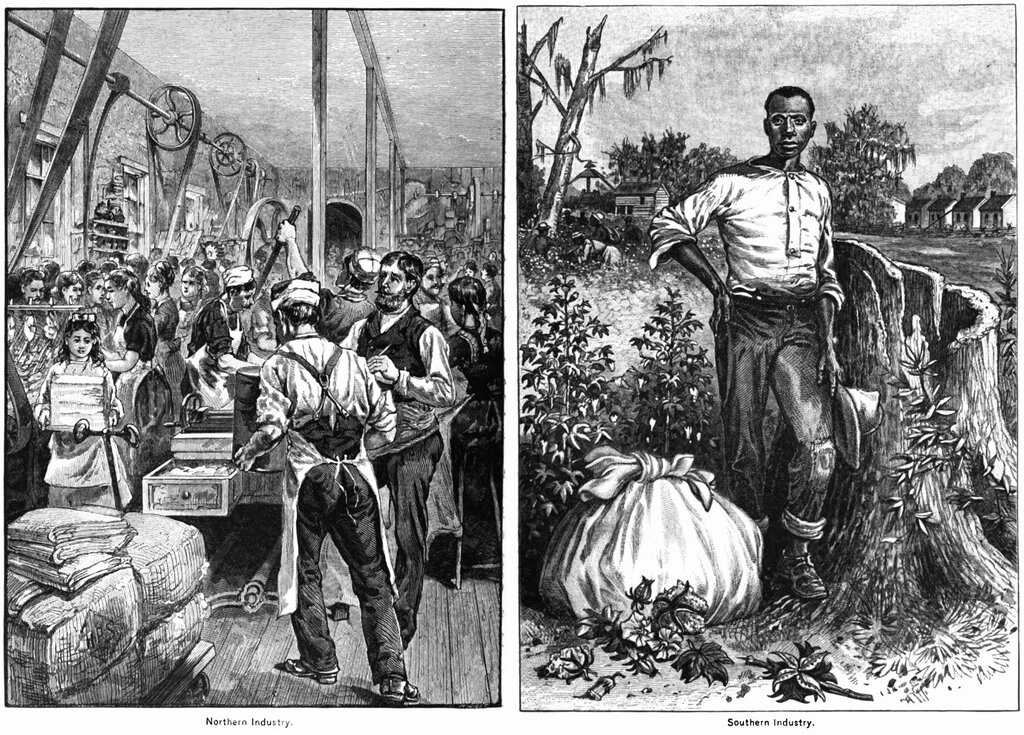
Nothing symbolized this industrial might more than the railroad. With massive government land grants and investments, railroad tracks crisscrossed the nation. The completion of the first transcontinental railroad in 1869 was just the beginning. This network created a single national market, allowing manufacturers in the East to sell goods to settlers in the West, and for raw materials from the West to feed the factories in the East. It was the circulatory system of the new American economy.
Captains or Robber Barons?
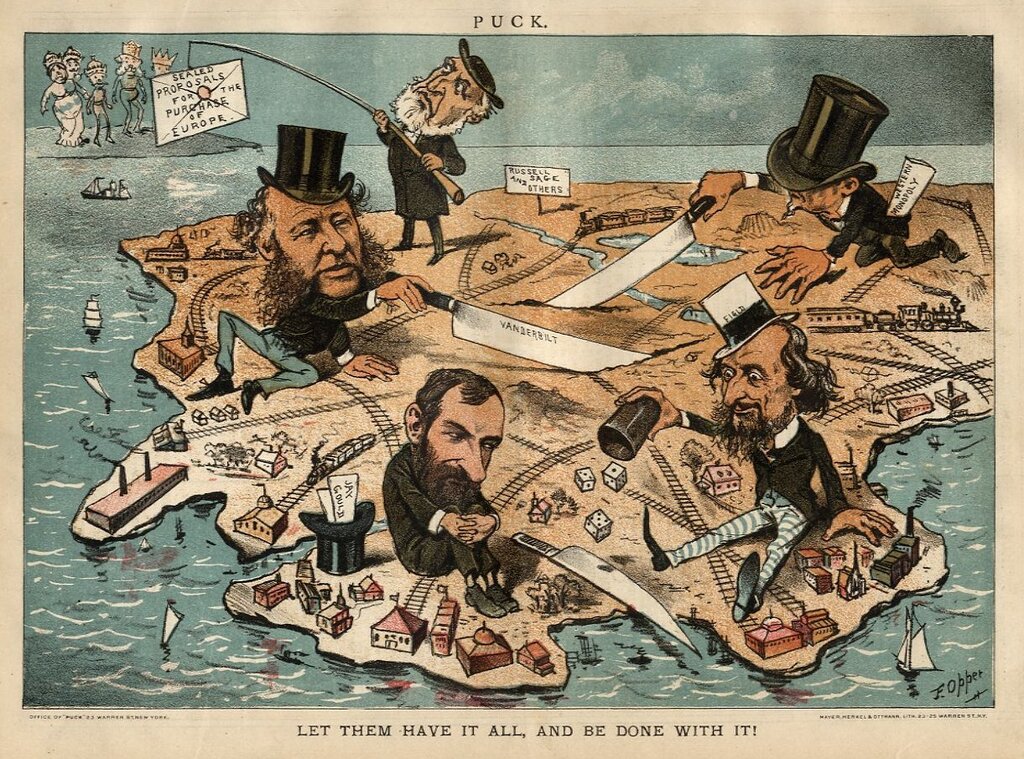
This economic explosion created a new class of ultra-wealthy industrialists. Names like Andrew Carnegie in steel, John D. Rockefeller in oil, and Cornelius Vanderbilt in railroads became synonymous with American business. Their admirers called them "Captains of Industry," visionary entrepreneurs whose genius created jobs and pushed the nation forward.
Critics, however, had a different name for them: "Robber Barons." They saw these men as ruthless monopolists who crushed competition, exploited workers, and used their immense wealth to corrupt politics for their own gain.
| Captain of Industry | Robber Baron |
|---|---|
| Created jobs and innovation | Destroyed competition |
| Built the modern economy | Kept wages low |
| Philanthropist who gave back | Used wealth for political influence |
| A model of the American dream | Created vast inequality |
To secure their dominance, these magnates formed trusts and monopolies. Rockefeller’s Standard Oil, for instance, controlled nearly 90% of the oil refining industry in the United States. Through practices like predatory pricing, they could drive any competitor out of business, leaving consumers and smaller businesses with few choices and high prices.
The Other Side of the Coin
While a few became fabulously wealthy, life for the average worker was grim. Millions of Americans, including a flood of new immigrants from Europe, moved to cities to work in the new factories. They faced long hours, often 10-12 hours a day, six days a week, for wages that were barely enough to survive.
Workplaces were unregulated and dangerous. Industrial accidents were common, with no safety net like workers' compensation. For the first time in American history, more people worked for wages under a boss than for themselves on a farm or in a small shop.
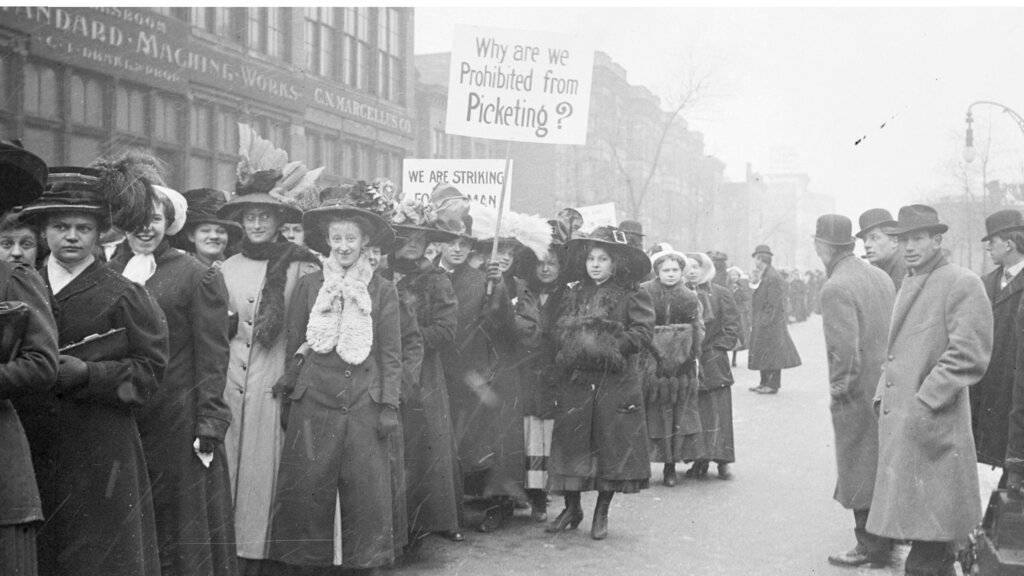
In response to these conditions, workers began to organize. Labor unions like the Knights of Labor and the American Federation of Labor (AFL) fought for better pay, shorter hours, and safer workplaces.
Their efforts were often met with violent resistance from employers and the government. Major labor conflicts, such as the Haymarket Affair in 1886 and the Pullman Strike in 1894, were marked by clashes between workers and authorities, often ending in defeat for the unions.
The cities where these workers lived were growing at an uncontrollable pace. Urban centers became a landscape of extremes. While the wealthy built lavish mansions, the working poor crowded into tenements, poorly built apartment buildings with little light, fresh air, or sanitation. These neighborhoods were often segregated by ethnicity, creating isolated communities within the larger city.
The political landscape was also troubled. This was an era of political machines, where powerful city bosses controlled votes and dispensed favors in exchange for loyalty. Corruption was rampant at all levels of government, and the influence of money from the big trusts was a constant concern.
Why did author Mark Twain co-name the late 19th-century era in America the "Gilded Age"?
The Bessemer process was a crucial technological innovation that enabled the mass production of which material, essential for building the railroads, skyscrapers, and bridges of the era?
The Gilded Age was a period of profound contradiction, laying the groundwork for the modern United States while also creating deep divisions and challenges that would fuel calls for reform in the century to come.