A Journey Through Jewish History
Ancient Israel
From Patriarchs to a People
The story of ancient Israel begins not with a nation, but with a family. According to biblical tradition, a man named Abraham left his home in Mesopotamia and traveled to a land called Canaan, following a divine call. This journey, believed to have occurred around 4,000 years ago, established a covenant, or sacred agreement, between God and Abraham's descendants.
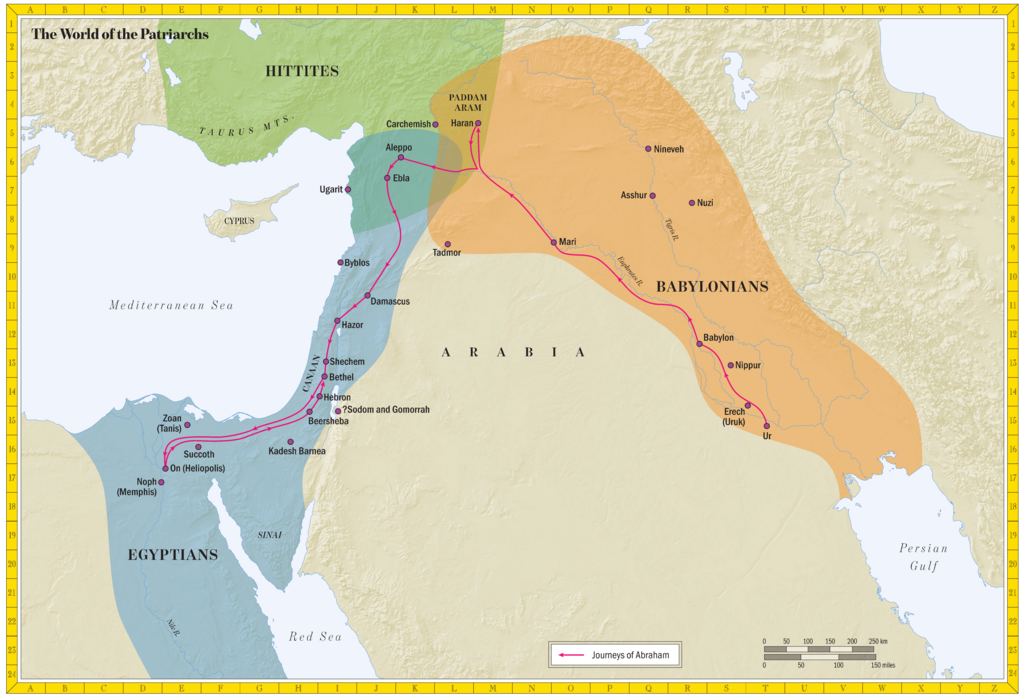
The leadership of this growing clan passed from Abraham to his son, Isaac, and then to his grandson, Jacob. Jacob, later renamed Israel, had twelve sons. These sons became the progenitors of the twelve tribes of Israel, forming the foundation of the Israelite people. A famine eventually drove these tribes to seek refuge in Egypt, where their story took a dramatic turn.
Exodus and Kingdom
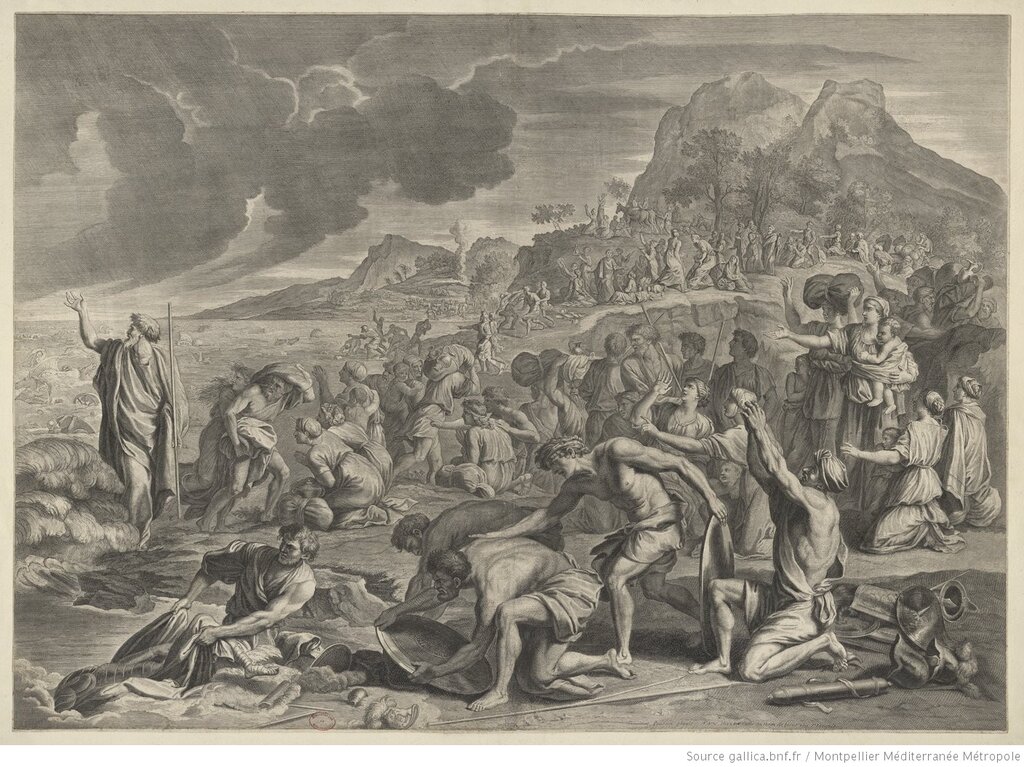
After generations in Egypt, the Israelites found themselves enslaved. Their liberation is one of the most foundational stories in Judaism, led by a prophet named Moses. The Exodus, or departure from Egypt, saw the Israelites cross the Red Sea and wander in the Sinai desert for forty years. During this time, Moses is said to have received the Ten Commandments on Mount Sinai, a set of moral and religious laws that became central to their identity.
Following their time in the desert, the Israelites, under the leadership of Joshua, began the conquest of Canaan, the land they believed was promised to them. Over time, they established settlements and transitioned from a loose confederation of tribes into a more unified entity. This led to the establishment of a monarchy around 1020 BCE.
The first king, Saul, united the tribes against external threats. He was succeeded by David, who captured Jerusalem and made it his capital. David's son, Solomon, inherited a stable and prosperous kingdom. He is most remembered for constructing the First Temple in Jerusalem, a central sanctuary for worship that solidified the city's religious importance.

Division and Exile
After Solomon's death around 930 BCE, internal conflicts split the united monarchy in two. The northern kingdom, with ten of the tribes, became known as Israel. The southern kingdom, comprising the tribes of Judah and Benjamin, was called Judah. Jerusalem remained the capital of Judah.
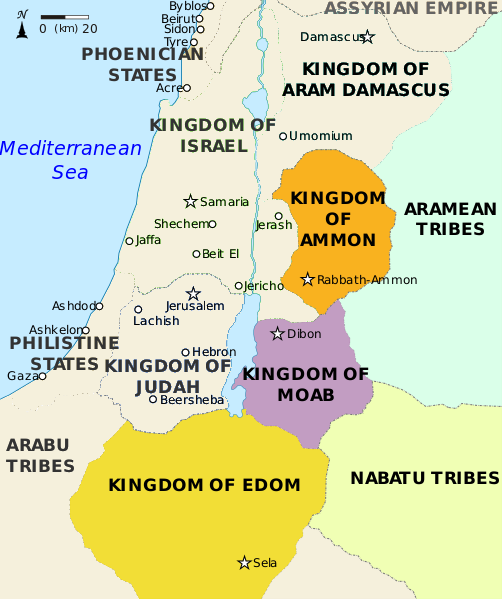
These two kingdoms existed side-by-side for centuries, but they were often in conflict and faced threats from larger empires. In 722 BCE, the powerful Assyrian Empire conquered the northern kingdom of Israel, scattering its population. The southern kingdom of Judah survived for another century and a half.
However, the rise of the Neo-Babylonian Empire spelled doom for Judah. In 586 BCE, the Babylonian king Nebuchadnezzar II conquered Judah, destroyed Solomon's Temple in Jerusalem, and forced a significant portion of the Jewish population into exile in Babylonia.
The Babylonian Exile (586 BCE): This event led to significant reinterpretation of Jewish identity and scripture.
This period of exile was a profound crisis. It severed the people from their land and their central place of worship. Yet, it was also a time of intense theological reflection. Away from their homeland, the exiled Jews focused on preserving their traditions, laws, and stories, which were compiled into the texts that would become the Hebrew Bible. This ensured their cultural and religious survival, transforming their identity in ways that would shape the future of Judaism.
Ready to review the key figures and events from this foundational period?
Now, let's test your knowledge of ancient Israel's early history.
Who are considered the three foundational patriarchs of the ancient Israelites?
What pivotal event occurred in 586 BCE that profoundly shaped Jewish identity?
The Babylonian Exile marked the end of an era, but not the end of the Jewish people. Their story of survival and return would become the next chapter in their long history.