A Journey Through Japanese History
Prehistoric Japan
The First Potters
Before Japan was a unified country, the archipelago was home to a remarkably stable culture for over 10,000 years. This was the Jomon period, which began around 13,000 BCE. The people of this era were hunter-gatherers, living off the land by hunting animals like deer and boar, fishing in the rich coastal waters, and gathering nuts, roots, and berries.
Despite their nomadic lifestyle, the Jomon people were pioneers in pottery. They created some of the oldest ceramic vessels in the world. This was a major innovation, as pots allowed them to cook food more effectively and store it for later use. Early Jomon pottery was simple, but over thousands of years, the designs became incredibly elaborate and artistic.
Jōmon
noun
A style of ancient Japanese pottery decorated by impressing cords into the surface of wet clay. The term also refers to the prehistoric period of Japanese history when this pottery was produced.
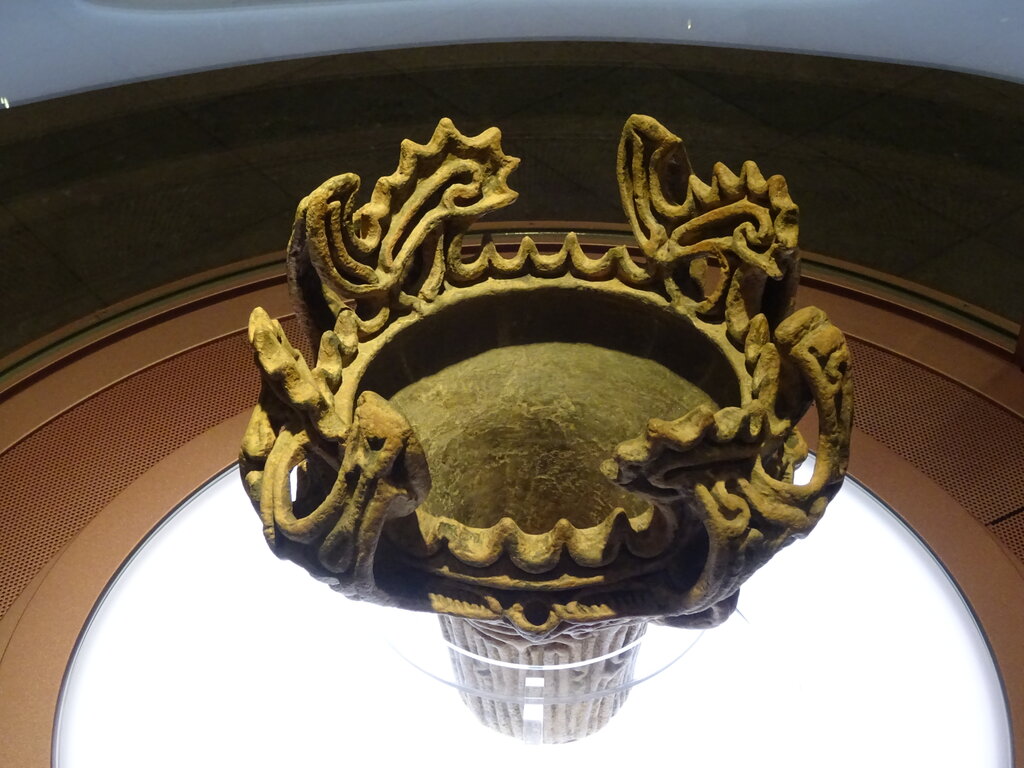
These pots were not just for utility. The ornate, sculptural styles suggest they also had ritual or ceremonial significance. Jomon society was relatively small-scale and egalitarian, with communities living in pit-dwellings. They left behind shell mounds, stone tools, and clay figurines, giving us a glimpse into their rich spiritual life.
The Agricultural Revolution
Around 900 BCE, a wave of profound change began to sweep across Japan, starting in the southern island of Kyushu. New groups of people arrived from the Asian mainland, likely from the Korean peninsula, bringing with them a revolutionary technology: wet-rice farming. This marked the beginning of the Yayoi period.
The shift from foraging to farming fundamentally reshaped life on the islands. It required a completely different way of organizing society and interacting with the environment.
Cultivating rice in flooded paddies was labor-intensive but produced a reliable surplus of food. This allowed for larger, permanent settlements to form. Alongside agriculture, these migrants introduced metallurgy. They brought the knowledge of working with bronze and iron, which had been developing in China and Korea for centuries.
| Technology | Origin | Impact |
|---|---|---|
| Wet-Rice Farming | Asian Mainland | Enabled food surplus and permanent villages. |
| Bronze Working | Asian Mainland | Used for ceremonial objects like bells and mirrors. |
| Iron Working | Asian Mainland | Used for practical tools and weapons. |
A New Society
The agricultural surplus and new technologies of the Yayoi period triggered dramatic social changes. With a stable food supply, the population grew rapidly. Villages became larger and more complex, sometimes surrounded by moats for defense, suggesting that conflict was becoming more common.
Unlike the egalitarian Jomon, Yayoi society was stratified. Some individuals and families accumulated more wealth and power than others. This is evident in their burial practices, where some graves contain valuable goods like bronze mirrors, weapons, and jewelry, while others have none. This social stratification laid the groundwork for the emergence of powerful clans and early political structures. Leaders, or chieftains, began to emerge, controlling land, resources, and people.
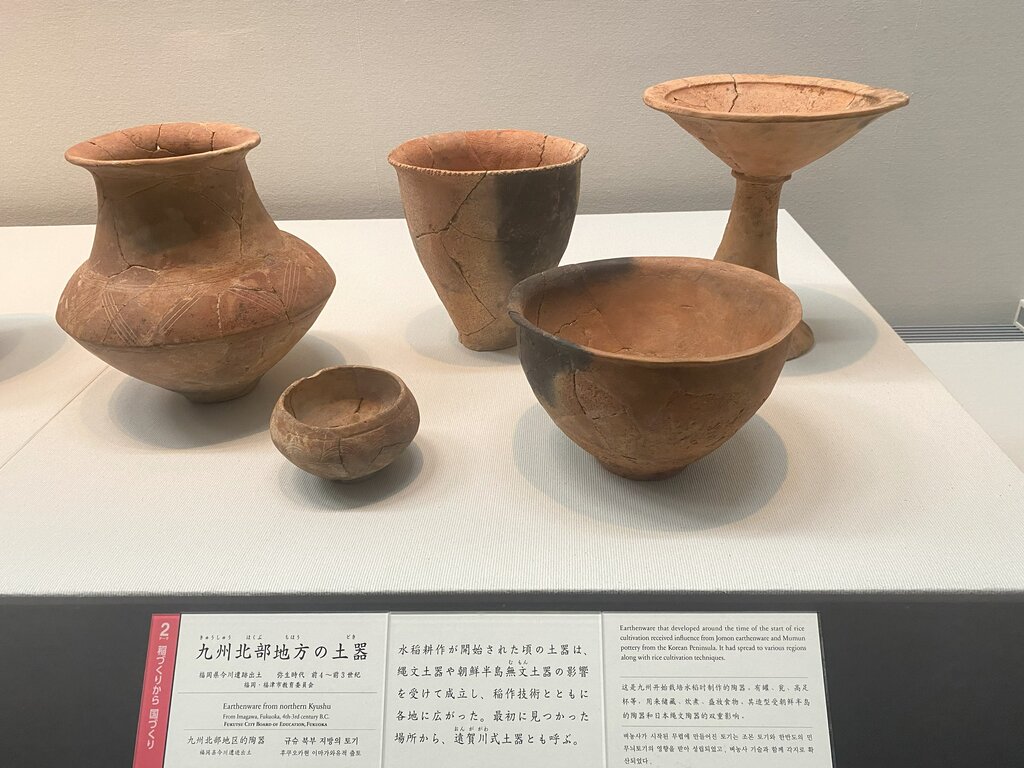
By the end of the Yayoi period around 300 CE, Japan was a very different place. The hunter-gatherer lifestyle had been replaced by an agricultural society of competing chiefdoms. This set the stage for the formation of the first unified state in Japanese history.
Ready to test your knowledge?
What was the primary mode of subsistence for people during the Jomon period?
Which of the following represents a major difference between Jomon and Yayoi societies?
The transition from the Jomon to the Yayoi period was one of the most critical transformations in Japan's history, establishing the cultural and social foundations that would define it for centuries to come.