A Journey Through Japanese History
Ancient Japan
The Age of Cord-Marked Pottery
Long before emperors and samurai, the Japanese archipelago was home to the Jōmon people. Their culture was one of the longest-lasting in human history, flourishing for over 10,000 years. These were sophisticated hunter-gatherers, fishers, and foragers who thrived on the rich natural resources of the islands.
One of their most remarkable achievements was pottery. In fact, they were among the first people in the world to create it. This wasn't just a practical tool; it was an art form. The name of their culture comes directly from this craft.
cord-marked
They decorated their clay pots by pressing ropes and cords into the wet surface before firing, creating distinctive patterns. These vessels were used for cooking, storage, and possibly even rituals. The styles varied widely over millennia and across different regions, from simple, functional bowls to highly ornate flame-style pots with dramatic, sculptural rims.
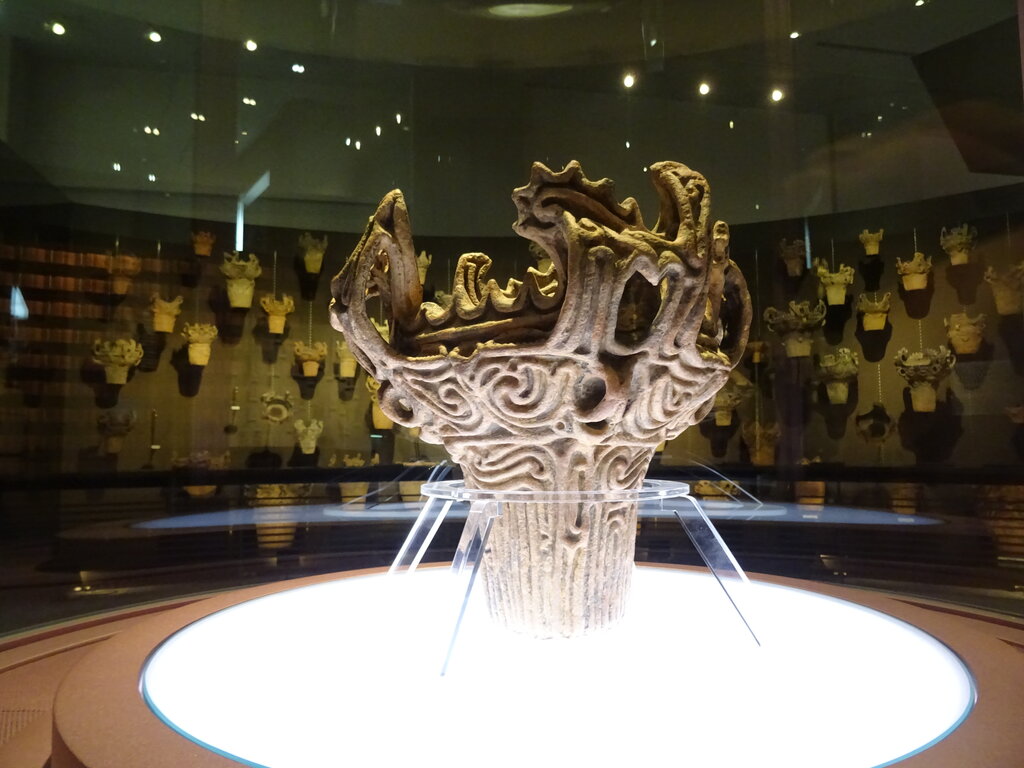
For thousands of years, the Jōmon lifestyle remained relatively stable. They lived in small settlements, often in pit houses dug partially into the ground, and moved seasonally to take advantage of different food sources. They hunted deer and boar, gathered nuts and plants, and fished the rich waters surrounding Japan.
A New Way of Life
Around 300 BCE, a wave of change began to sweep across Japan, starting in the south and moving northward. This marked the beginning of the Yayoi period, a transformation driven by new people and new ideas arriving from mainland Asia, likely via the Korean peninsula.
The most significant change was the introduction of wet-rice agriculture. This single innovation would reshape Japanese society from the ground up.
Farming rice is labor-intensive. It requires managing irrigation with canals and dikes, and it ties people to the land. Unlike the mobile lifestyle of the Jōmon, the Yayoi people began to establish permanent farming villages. These settlements were larger and more complex than the Jōmon pit-house communities.
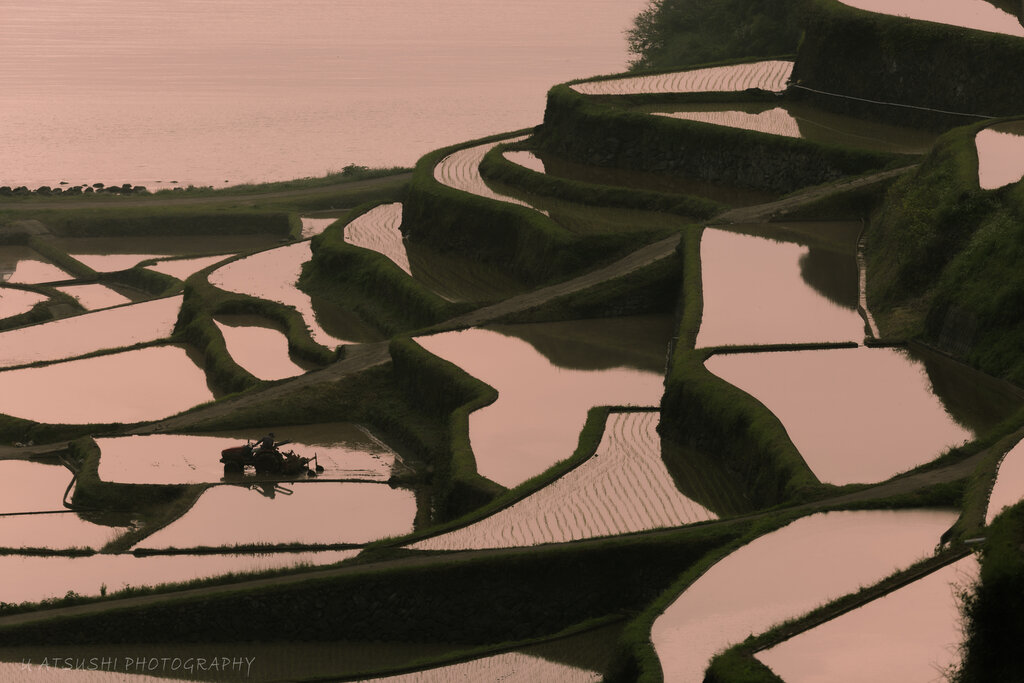
With agriculture came the concept of surplus. For the first time, communities could grow and store more food than they immediately needed. This surplus had profound consequences. It allowed some individuals to specialize in tasks other than farming, such as toolmaking, weaving, or leadership.
From Foragers to Farmers
The shift from the Jōmon to the Yayoi period wasn't just about food. New technologies like bronze and iron metalworking also arrived from the continent. Bronze was used for ceremonial objects like bells and mirrors, while iron was used for more practical tools and weapons. Pottery styles changed, too, becoming less ornate and more functional than many Jōmon designs.
The accumulation of surplus grain and valuable metal goods led to the emergence of social hierarchies. Some families or clans became wealthier and more powerful than others. This is evident in the burial practices of the time, where some tombs are much larger and contain more valuable grave goods than others. Society became stratified, with chieftains and elites ruling over common farmers.
This period of intense change laid the foundation for the formation of the Japanese state. The small, competing chiefdoms of the Yayoi period would eventually coalesce into larger political units, setting the stage for the rise of the Yamato kingdom and the later imperial court. The transition was a pivotal moment, transforming the archipelago from a land of hunter-gatherers into a settled, agricultural society with growing political complexity.
| Feature | Jōmon Period (c. 10,000–300 BCE) | Yayoi Period (c. 300 BCE–300 CE) |
|---|---|---|
| Lifestyle | Hunter-gatherer, forager, fisher | Agricultural, settled farmers |
| Primary Food | Nuts, fish, game, wild plants | Cultivated wet rice |
| Settlements | Small, often seasonal (pit houses) | Permanent villages, larger communities |
| Pottery | Ornate, cord-marked, often sculptural | Simpler, more functional, less decoration |
| Technology | Stone tools, bone tools, pottery | Metalworking (bronze and iron) |
| Social Structure | Largely egalitarian, small communities | Hierarchical, rise of elites and chiefdoms |
Time to see what you've learned about Japan's earliest cultures.
What does the name "Jōmon" refer to, which is a defining characteristic of this historical period?
Which of the following represents a major shift in lifestyle from the Jōmon to the Yayoi period?
The journey from the Jōmon's deep-rooted foraging traditions to the Yayoi's agricultural revolution was a fundamental shift that shaped the future of Japan.