A Journey Through Italian History
17th Century Italy
A Patchwork of Power
In the 17th century, the idea of “Italy” as a single country didn't exist. The Italian peninsula was a complex mosaic of states, duchies, and republics, many of them controlled by foreign powers. The dominant force was Habsburg Spain, which ruled the southern kingdoms of Naples and Sicily, the island of Sardinia, and the wealthy Duchy of Milan in the north. Spanish influence was felt everywhere.
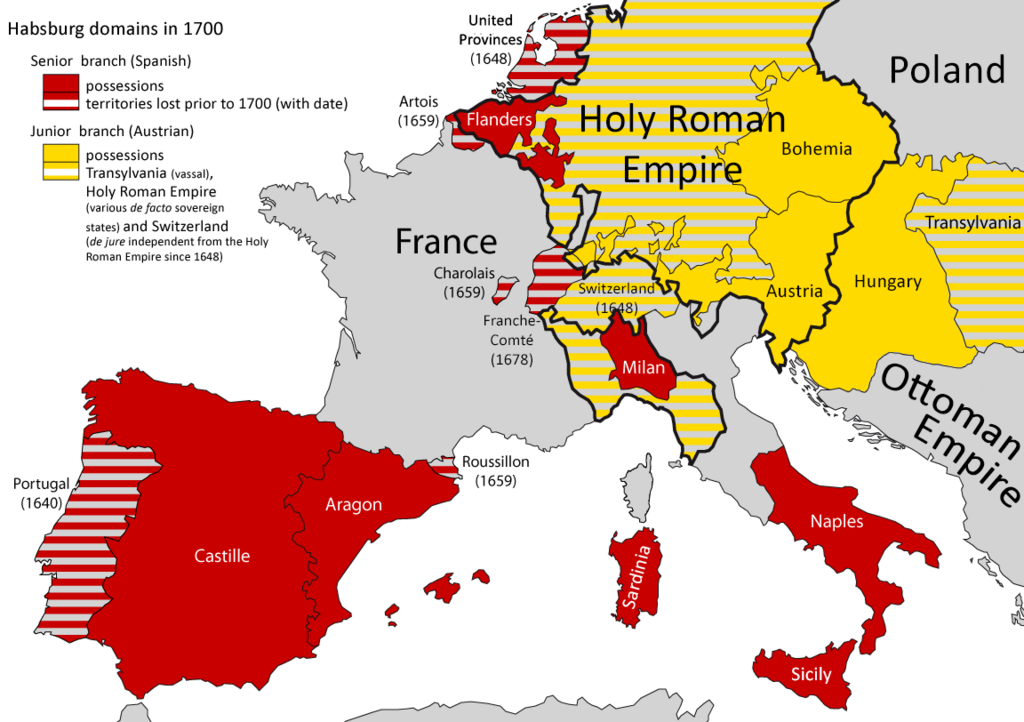
A few major Italian states managed to maintain their independence. The Republic of Venice was a major maritime and commercial power, though its influence was waning. The Republic of Genoa was a hub of finance. In central Italy, the Papal States, governed directly by the Pope from Rome, formed a large, independent territory. Smaller states like the Grand Duchy of Tuscany and the Duchy of Savoy navigated the complex political landscape by shifting alliances. This fragmentation meant there was no unified response to the era's challenges.
The Church's Domain
The Catholic Church was more than just a spiritual authority; it was a major political player. The Pope ruled the Papal States, a territory that stretched across the middle of the peninsula. This gave the papacy significant military and economic power, making it a key piece in the European balance of power.
Beyond its own borders, the Church's influence was immense. It was one of the largest landowners in every Italian state, and its doctrines shaped art, culture, and daily life.
This was the era of the Counter-Reformation, the Church's vigorous response to the Protestant Reformation. This movement led to a flourishing of Baroque art and architecture, intended to inspire awe and devotion. However, it also brought the Inquisition and stricter social controls, as the Church sought to enforce doctrinal purity across Catholic Europe. While the Church provided a common cultural and religious identity, its political power often complicated efforts by secular rulers to centralize their own authority.
Crisis and Calamity
The 17th century was a difficult time for the people of the Italian peninsula. The bubonic plague returned with a vengeance. The outbreak of 1629–1631, known as the Great Plague of Milan, devastated northern Italy, killing up to a third of the population in some areas. Another major outbreak in 1656 struck the south, crippling Naples and the surrounding countryside. These pandemics brought commerce to a standstill and left cities empty.
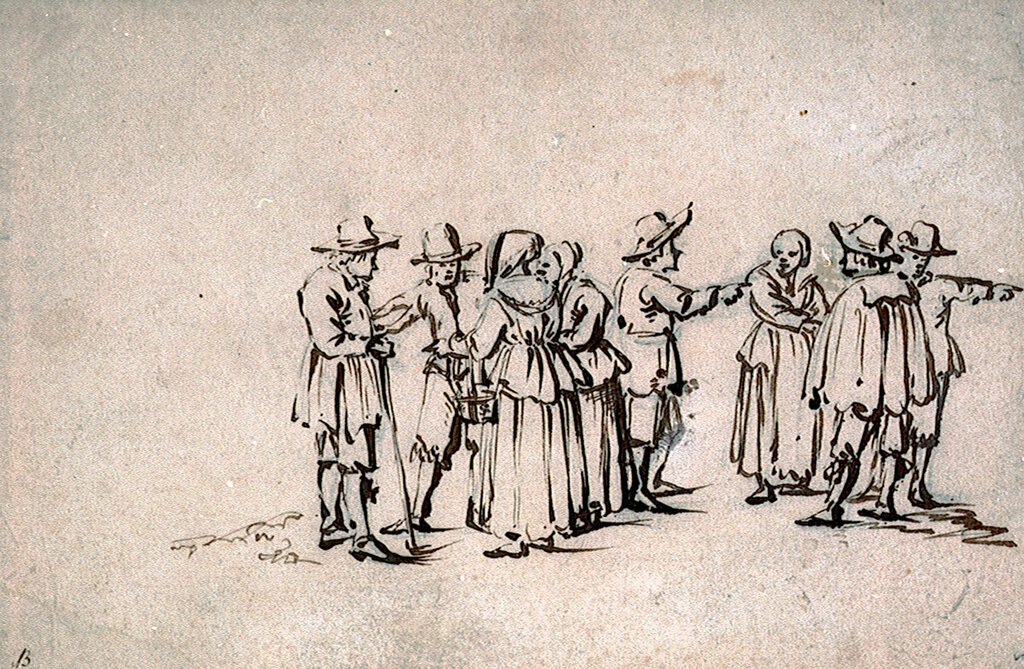
As if plagues weren't enough, natural disasters added to the misery. Southern Italy, in particular, is seismically active. A series of powerful earthquakes struck the region, with the 1693 Sicily earthquake being one of the most destructive. It leveled entire towns and killed tens of thousands of people. These repeated shocks shattered communities and drained state resources, which were already strained by foreign wars and heavy taxation.
The Rise of the Barons
In Southern Italy, especially in Sicily, the crises of the 17th century had a unique social outcome. While monarchs in places like France were busy consolidating power and weakening the nobility, the opposite happened here. The Spanish crown, needing funds for its many wars, sold titles and land to wealthy individuals. This created a new and powerful class of nobles, or barons.
These barons took control of vast rural estates. To make their lands more profitable, they engaged in a process of “internal colonization.”
This meant they founded new towns on their properties, encouraging peasants to settle there to farm the land. While this increased agricultural output, it also entrenched a feudal-like system. The barons held immense power over the local population, collecting taxes, administering justice, and controlling the economy. This strengthened the power of local aristocrats at the expense of both the central government and the peasantry, shaping the social structure of Southern Italy for centuries to come.
Now, let's test your knowledge of 17th-century Italy.