A Journey Through Irish History
Prehistoric Ireland
The First Settlers
After the last Ice Age ended around 12,000 years ago, massive ice sheets retreated, and the land that would become Ireland slowly emerged. Sea levels rose, separating it from Britain and mainland Europe. For centuries, it was an empty island covered in forests.
Then, around 10,000 BCE, the first people arrived. These Mesolithic, or Middle Stone Age, inhabitants were hunter-gatherers who likely crossed the narrow sea from Britain in skin-covered boats. They lived in small, mobile groups, following food sources with the seasons. Their lives revolved around hunting wild boar and birds, fishing in the rivers and coastline, and gathering nuts, berries, and plants.
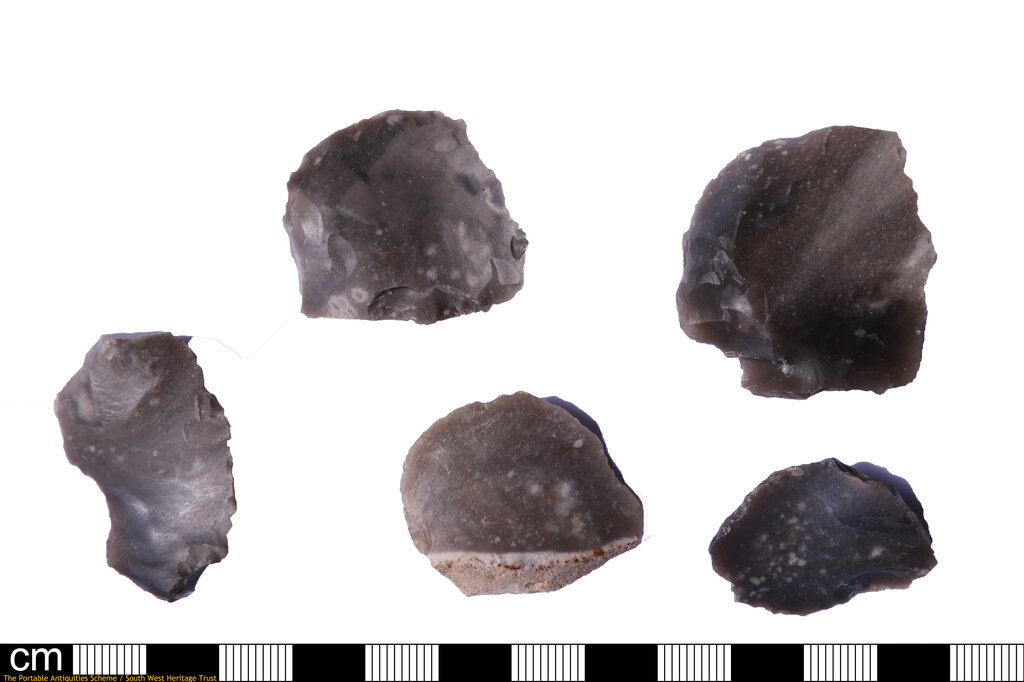
Archaeological evidence, like discarded shells and animal bones found in ancient garbage pits called middens, gives us a glimpse into their diet. Their toolkits were made from stone, particularly flint, which they skillfully shaped into sharp points for spears, blades for cutting, and scrapers for cleaning animal hides. They didn't build permanent homes, instead using temporary shelters made from wood and animal skins.
The Farming Revolution
Life in Ireland changed dramatically around 4000 BCE with the arrival of new people and new ideas. This marked the beginning of the Neolithic period, or New Stone Age. These newcomers brought agriculture with them, a revolutionary technology that involved clearing forests to plant crops like wheat and barley and raising domesticated animals such as cattle, sheep, and pigs.
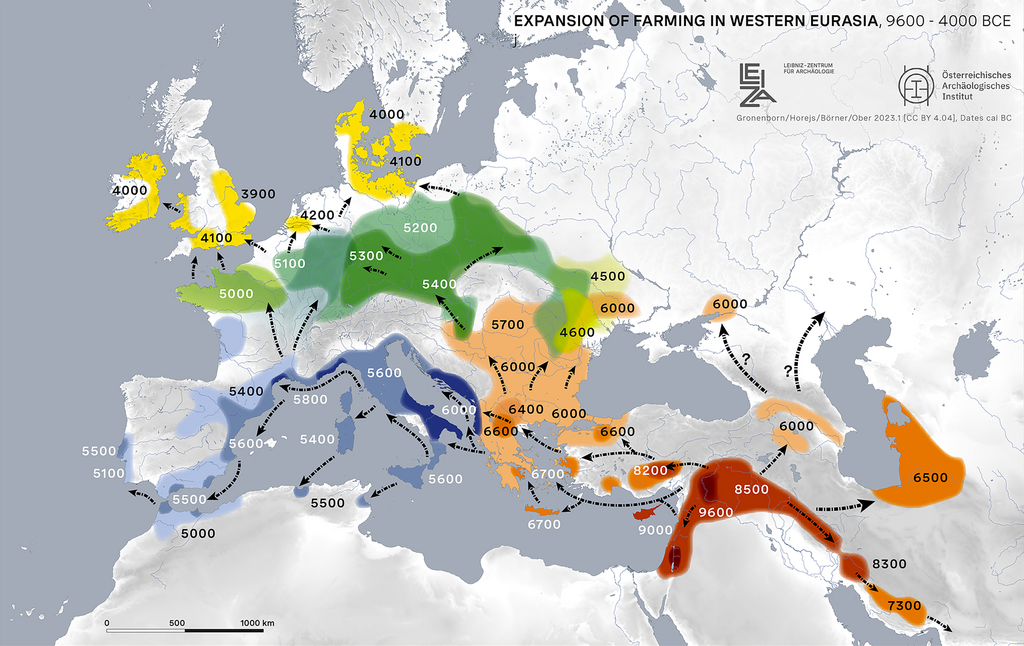
Farming allowed people to produce their own food instead of constantly searching for it. This led to a more settled lifestyle. For the first time, people built permanent houses from timber and established small communities. With a more stable food supply, the population began to grow. This era also saw the introduction of pottery for cooking and storage, as well as polished stone axes that were far more effective at clearing forests than earlier tools.
Monuments in Stone
Perhaps the most awe-inspiring legacy of Neolithic Ireland is the massive stone monuments, or megaliths, they built. These structures served as tombs, ceremonial sites, and territorial markers. They required immense social organization and engineering skill to construct, moving stones weighing many tons without modern machinery.
The most famous type is the passage tomb, a large mound of earth and stone with an internal chamber accessed by a long, narrow passage. Brú na Bóinne in County Meath is a massive complex of these tombs, including the world-renowned sites of Newgrange, Knowth, and Dowth. Newgrange is precisely aligned so that on the winter solstice, the shortest day of the year, a beam of sunlight shines down the passage to illuminate the inner chamber. This feat demonstrates a sophisticated understanding of astronomy.
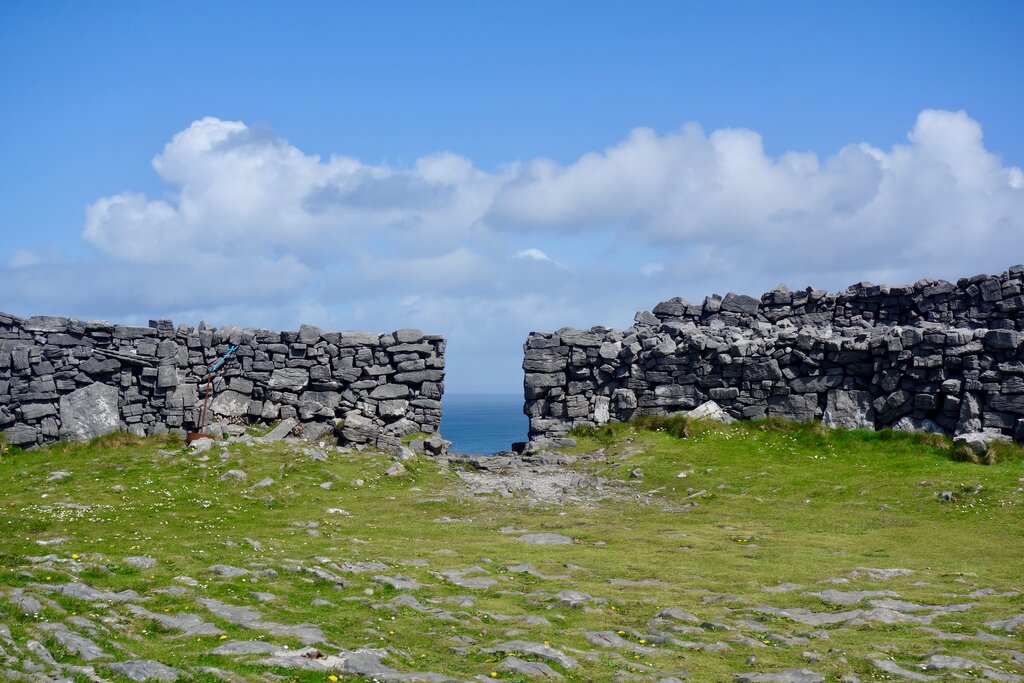
Other types of megalithic tombs include dolmens, which feature a large capstone balanced on several upright stones, and court cairns, which have an open-air courtyard leading to a burial chamber.
The Age of Bronze
Around 2500 BCE, another technological leap occurred: the introduction of metalworking. Prospectors discovered copper deposits and learned to alloy copper with tin, imported from places like Cornwall in Britain, to create a strong, durable metal called bronze. This kicked off the Bronze Age.
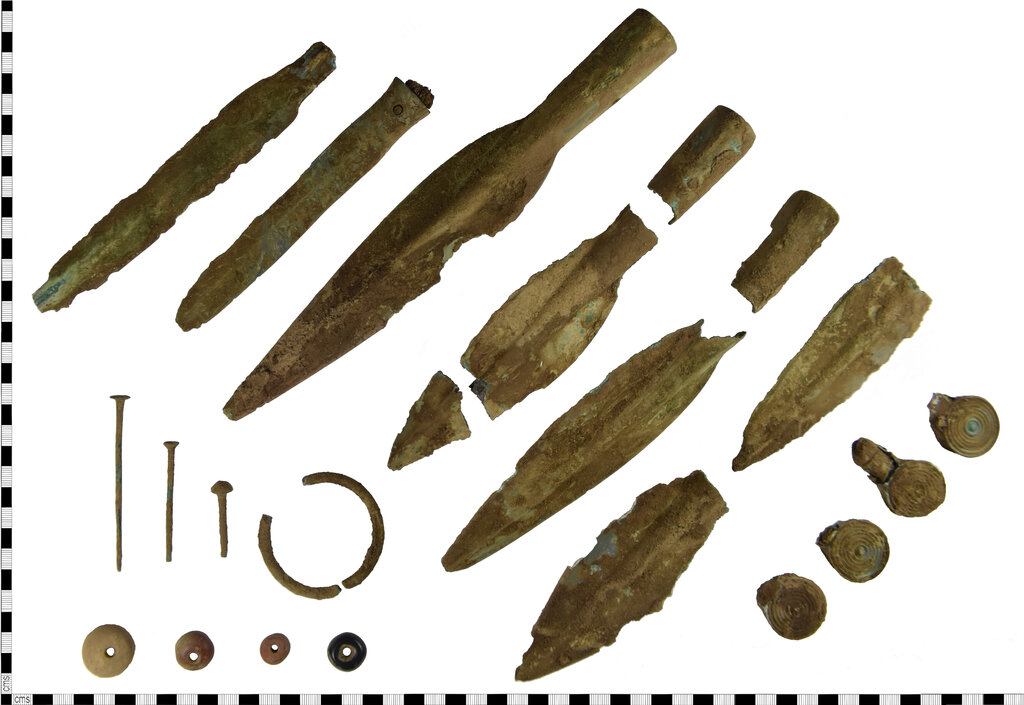
Bronze was used to create superior tools, such as axes and sickles, as well as powerful new weapons like swords and spearheads. The control of metal resources and the production of these valuable goods likely led to the emergence of a social hierarchy, with powerful chiefs and a warrior class.
Bronze Age craftspeople were also highly skilled in working with gold. They created stunning personal ornaments, including intricate necklaces called lunulae and torcs, which have been found in hoards across the country. These golden objects not only displayed wealth and status but also represent the incredible artistic achievement of prehistoric Ireland.
How did the Mesolithic (Middle Stone Age) people of Ireland primarily obtain their food?
What revolutionary technology, introduced around 4000 BCE, led to the development of permanent settlements in Ireland?
From the first hunter-gatherers to the skilled metalworkers of the Bronze Age, early Irish society underwent profound transformations over thousands of years, setting the stage for the cultures that would follow.