A Journey Through Iranian History
Ancient Iran
Before the Persians
Long before the great Persian empires, the land of what is now Iran was home to the Elamites. From around 3000 BCE, they built a sophisticated civilization in the southwestern plains. Their capital, Susa, was one of the world's first great cities, a center of commerce and culture for millennia.
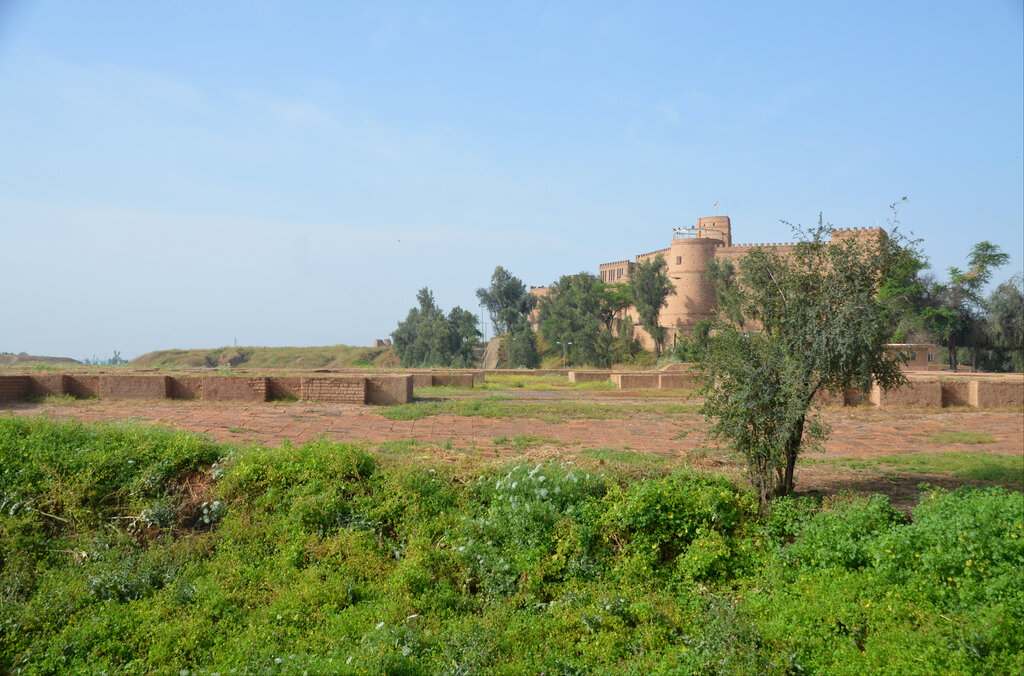
The Elamites developed their own unique writing system, now known as Elamite cuneiform, and created intricate works of art. They weren't an isolated people; they frequently interacted, traded, and warred with their powerful neighbors in Mesopotamia, like the Sumerians and Akkadians. Their influence laid a cultural foundation for the empires that would later rise in the region.
The Rise of Persia
In the middle of the 6th century BCE, a new power emerged. Cyrus the Great, a brilliant military and political leader, united the Median and Persian peoples. In 550 BCE, he established the Achaemenid Empire, which would become the largest empire the world had yet seen.
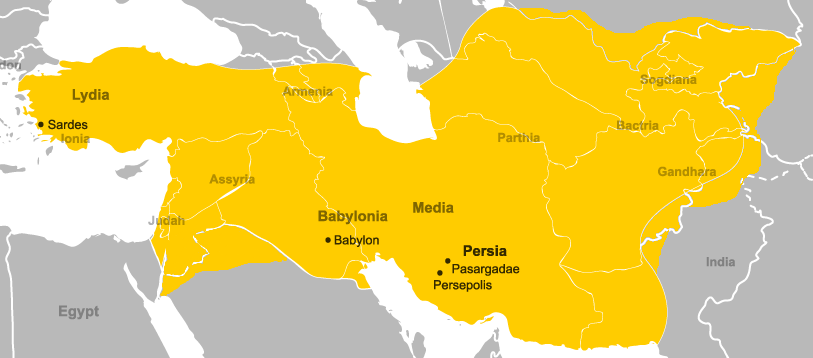
Cyrus wasn't just a conqueror; he was an innovator in governance. After conquering Babylon in 539 BCE, he famously allowed the captive Jewish people to return to their homeland and rebuild their temple. This policy of respecting local customs and religions was a hallmark of Achaemenid rule.
This approach fostered loyalty among the diverse peoples within the vast empire, reducing the likelihood of rebellion.
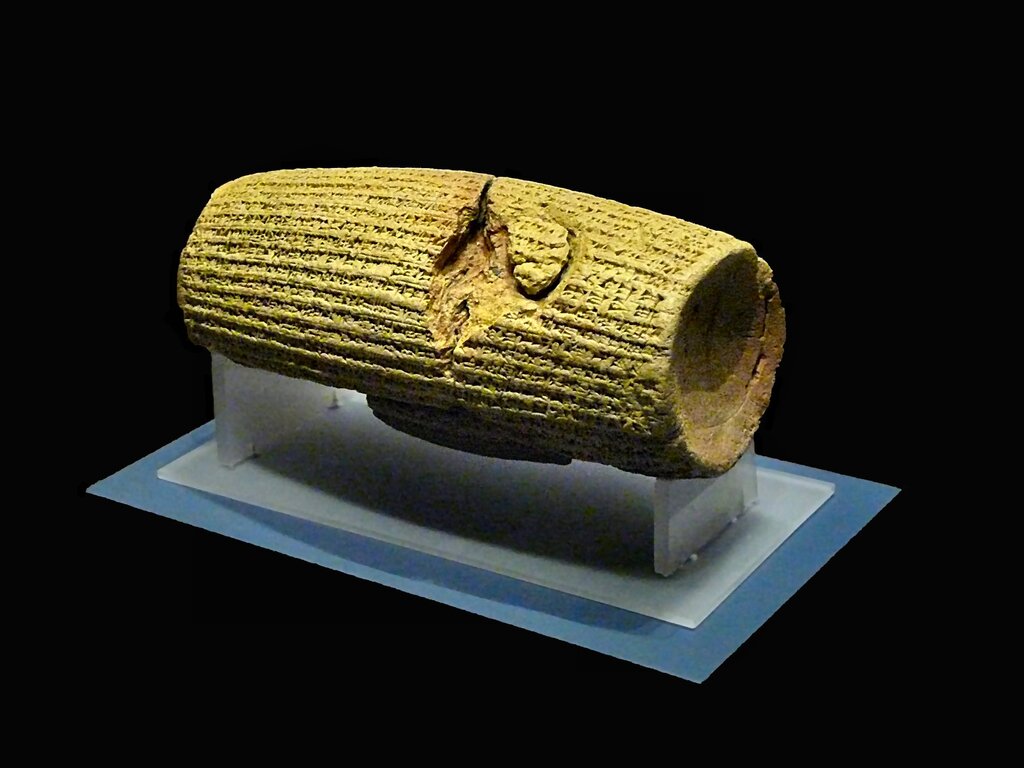
To manage his sprawling domain, Cyrus’s successor, Darius I, organized the empire into provinces called satrapies. Each satrapy was ruled by a governor, or satrap, who was responsible for collecting taxes and administering justice. Darius also established a standardized currency and a system of weights and measures, which simplified trade across the empire. A vast network of roads, most famously the Royal Road, connected major cities and allowed for rapid communication and troop movement.
Culture and Conflict
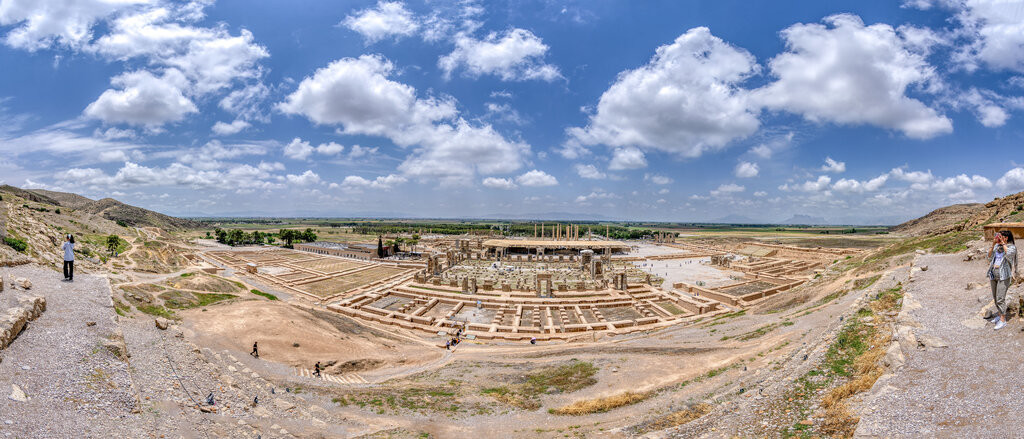
The Achaemenids were master builders. Darius I began construction on a magnificent ceremonial capital called Persepolis. Intended to be a showcase of the empire's wealth and power, its grand palaces and halls were decorated with intricate stone reliefs depicting people from every corner of the empire bringing tribute to the king.
The empire's expansion eventually brought it into conflict with the Greek city-states. The Greco-Persian Wars, which took place in the early 5th century BCE, were a series of famous clashes, including the battles of Marathon and Thermopylae. Though the Persians failed to conquer Greece, these wars had a profound impact on both civilizations.
The interweaving of Persian and Greek cultures set the stage for a remarkable exchange of ideas that shaped the foundations of Western philosophy and science.
For two centuries, the Achaemenid Empire was the dominant power in the region. But by the 4th century BCE, internal struggles had weakened its central authority. This vulnerability was exploited by a new, formidable force from the west.
In 334 BCE, Alexander the Great of Macedon launched an invasion of the Persian Empire. Over the next few years, his highly disciplined army defeated the Persian forces in a series of decisive battles. In 330 BCE, Alexander captured and burned Persepolis, a symbolic act that marked the end of the Achaemenid Empire. Alexander's conquest brought the Hellenistic age to the Near East, but the legacy of Persian culture and governance would endure.
Before the rise of the great Persian empires, which civilization flourished in southwestern Iran with its capital at Susa?
What was a notable policy of Cyrus the Great that distinguished his rule after he conquered new territories?