A Journey Through Iranian History
Ancient Civilisations
Iran's First Kingdoms
Long before the famous Persian empires, the land that is now Iran was home to some of the world's oldest civilisations. One of the most significant was Elam, which emerged in the southwest around 3200 BCE, around the same time as the Sumerians in neighbouring Mesopotamia.
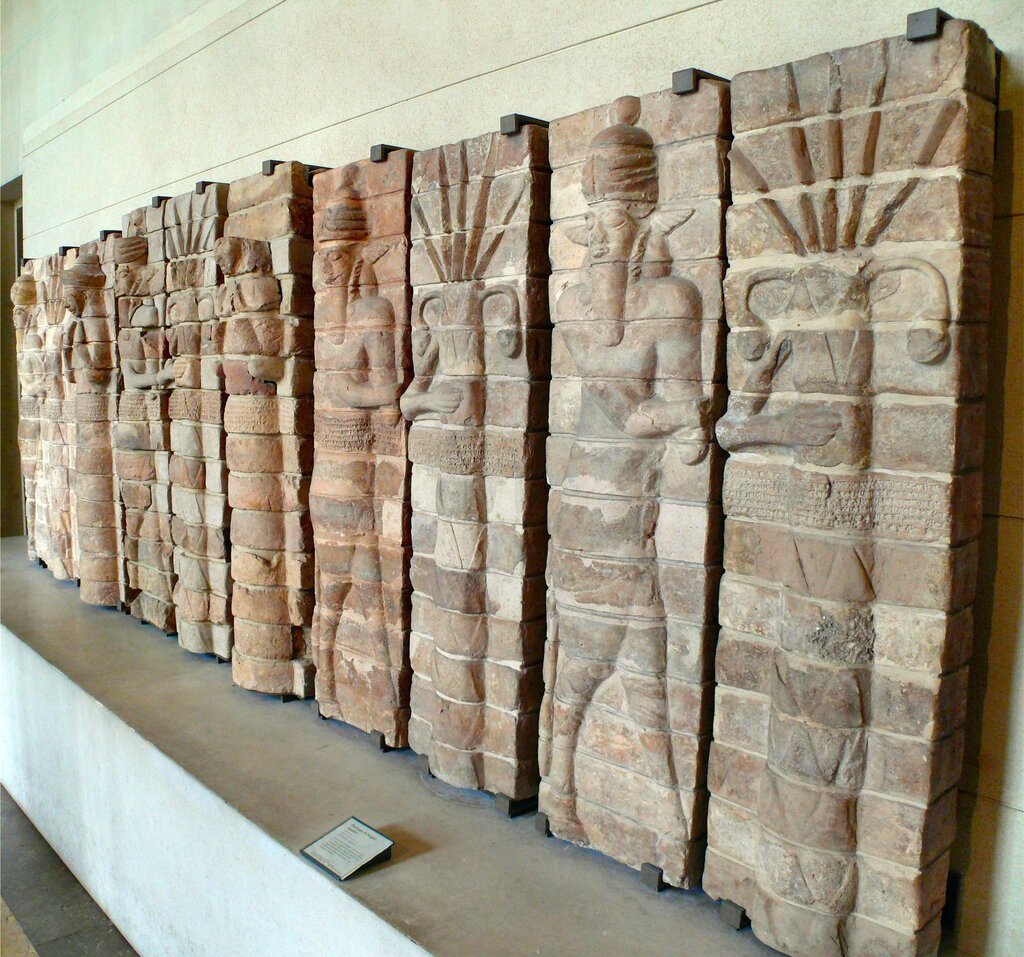
The Elamites centred their kingdom around powerful cities like Susa and Anshan. They developed a sophisticated society with a unique culture and language, unrelated to those of their neighbours. For centuries, they were a major political and military force, often clashing with the empires of Mesopotamia. They even developed their own writing system, known as Elamite cuneiform, adapted from the Mesopotamian script to suit their own language.
Elamite art is known for its skilled metalwork and intricate cylinder seals, which were used to mark official documents, much like a signature today.
The Elamite kingdom survived for thousands of years, but it faced repeated invasions. By the 7th century BCE, the powerful Assyrian Empire sacked Susa, dealing a devastating blow from which the Elamites never fully recovered. This decline created a power vacuum in the region, setting the stage for new groups to rise.
The Rise of the Medes
Around the beginning of the first millennium BCE, new groups of people, the Iranian tribes, began migrating onto the Iranian plateau from Central Asia. Among the most powerful of these were the Medes, who settled in the northwestern part of modern-day Iran, in a region they called Media.
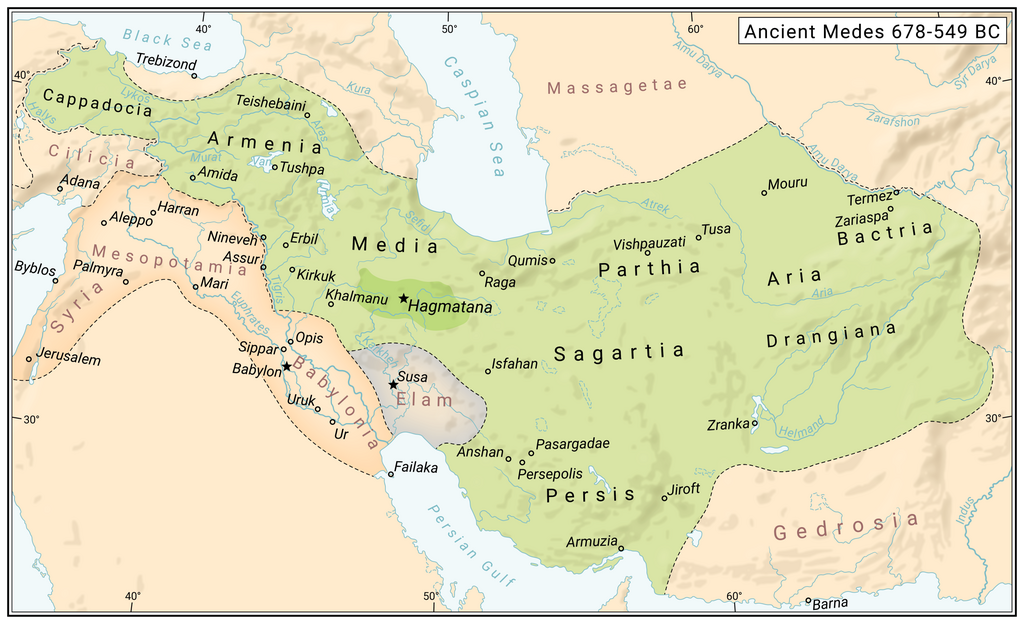
Initially, the Medes were a collection of semi-nomadic tribes, each ruled by its own chieftain. They were often forced to pay tribute to the powerful Assyrian Empire to their west. According to the Greek historian Herodotus, a leader named Deioces was the first to unite the Median tribes and establish a kingdom with its capital at Ecbatana (modern-day Hamadan).
Under later kings, the Median kingdom grew into a formidable military power. They formed an alliance with the Babylonians and, in 612 BCE, they succeeded in capturing the Assyrian capital of Nineveh. The fall of Assyria transformed the political map of the ancient Near East, and the Medes established a vast empire that stretched from central Anatolia (modern Turkey) to Central Asia.
The Median Empire was the first Iranian empire. While it lasted for less than a century, its political structure and military organisation laid the essential groundwork for the Achaemenid Persian Empire that would soon follow.
Let's check your understanding of these foundational civilisations.
Around what time did the Elamite civilisation first emerge in the southwest of modern-day Iran?
Which statement best describes the relationship between the Elamite and Mesopotamian cultures?
The Elamites and Medes were the first major powers to shape the history of Iran. Their rise and fall paved the way for the empires that would come to define the region for centuries.