A Journey Through Interior Design History
Ancient Interior Design
Egyptian Sacred Spaces
Ancient Egyptian interior design was deeply intertwined with religion and the afterlife. For the Egyptians, life on Earth was just a prelude. Their homes were built from perishable mud bricks, but their tombs and temples were constructed from stone to last an eternity. This focus on permanence shaped their entire design philosophy.

Inside these stone structures, walls were covered in intricate carvings and vibrant paintings. These weren't just for decoration; they were a form of storytelling and religious instruction. Hieroglyphs and scenes depicted gods, goddesses, and the journey to the afterlife. Common motifs included the lotus flower, symbolizing rebirth; the papyrus plant, representing life; and the scarab beetle, an emblem of creation and regeneration.
Furniture was sparse but functional. Pieces were often made from wood, such as cedar or sycamore, and elevated on legs shaped like animal paws to keep them off the dusty floors. Stools were more common than chairs, and chests were used for storage. The goal was simplicity and order, reflecting their belief in Ma'at, the cosmic principle of truth, balance, and harmony.
Greek Harmony and Order
The ancient Greeks valued logic, proportion, and humanism, and their interiors reflected these ideals. Unlike the Egyptians, the Greeks focused more on civic and domestic life. Their homes were designed around a central courtyard, which provided light and ventilation. Rooms were arranged for specific functions, creating a logical flow through the space.
Greek design was less about divine grandeur and more about creating balanced, human-scaled environments.
Columns were a defining feature, but they were used structurally and aesthetically to create a sense of rhythm and order. While the famous orders, Doric, Ionic, and Corinthian, are most visible on temple exteriors, their principles of proportion influenced the entire structure. Floors were often decorated with intricate mosaics made from pebbles, depicting geometric patterns or scenes from mythology.
Greek furniture is iconic for its elegance and thoughtful design. The Klismos chair, with its curved back and splayed legs, is a perfect example of their pursuit of beauty and ergonomic comfort. They used woods like olive and maple, often inlaid with ivory and precious metals. Decoration was purposeful, found in beautifully painted pottery and frescoes that celebrated human achievement and mythology.
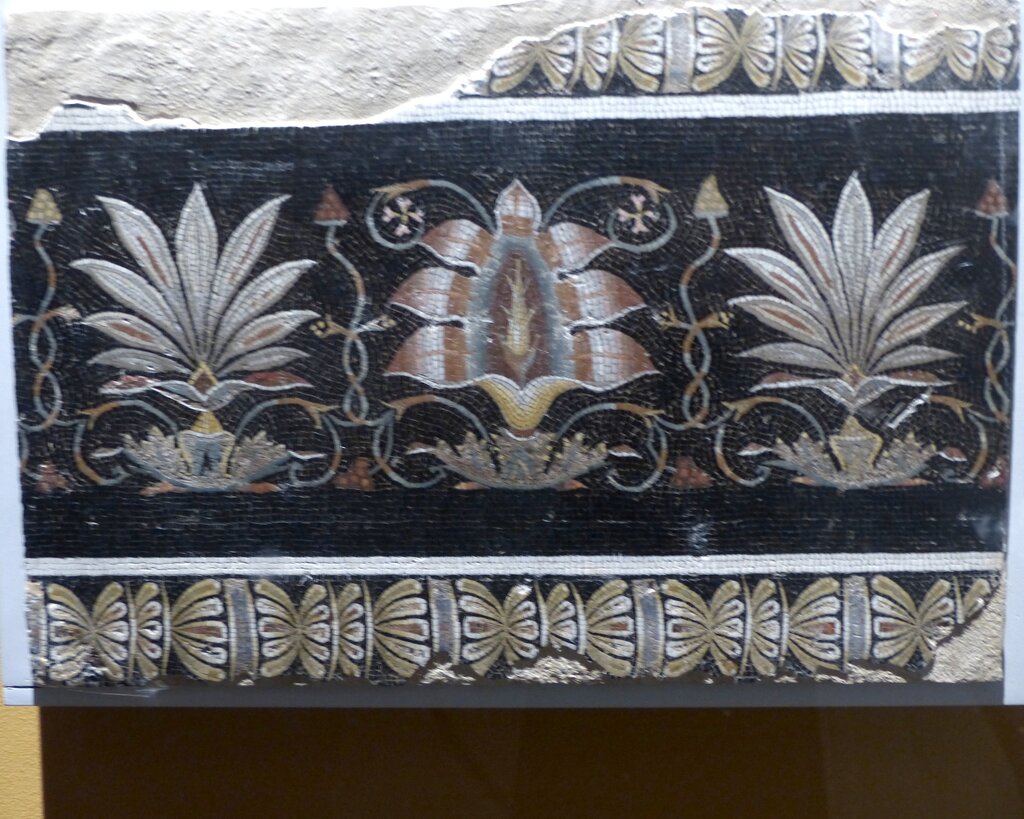
Roman Opulence
The Romans admired Greek culture, but they amplified its design principles with their own love for grandeur and luxury. As the Roman Empire expanded, it absorbed new materials and techniques, leading to a more eclectic and opulent style. The invention of concrete allowed them to build vast, complex structures like domes and arches, creating dramatic interior spaces previously impossible.
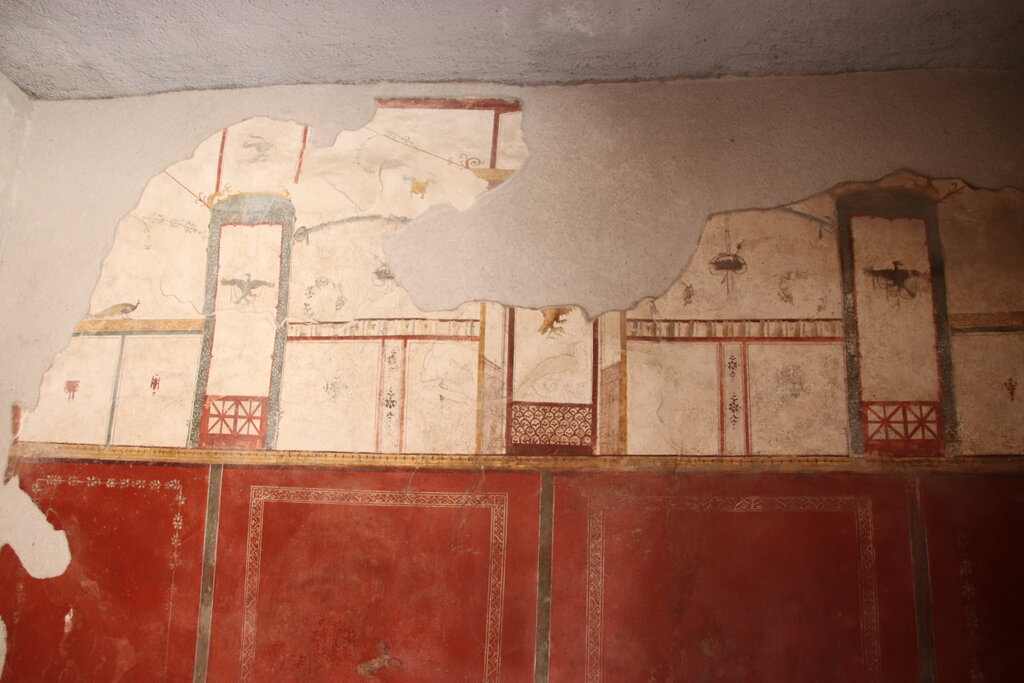
The home of a wealthy Roman, or domus, was designed to impress. An entrance hall led to a central atrium, a large open-air court that illuminated the surrounding rooms. Beyond this was often a peristyle, a colonnaded garden that brought nature indoors. Walls were not just painted but transformed with elaborate frescoes. Artists used techniques like trompe-l'œil (trick of the eye) to create illusions of windows, gardens, and mythological vistas, making rooms feel larger and more dramatic.
Mosaics became even more detailed, using tiny colored tiles called tesserae to create complex pictures that were like paintings for the floor. Furniture was heavier and more ornate than its Greek predecessors, often carved from marble or cast in bronze. The Romans mastered the art of creating interiors that were both functional for daily life and powerful symbols of wealth and status.
Ready to test your knowledge of these ancient styles?
What was the primary reason ancient Egyptians built their tombs from stone but their homes from perishable materials like mud brick?
The iconic Greek Klismos chair is a prime example of their focus on:
From the sacred tombs of Egypt to the grand villas of Rome, ancient civilizations laid the groundwork for interior design. They showed how a culture's values, beliefs, and technologies shape the spaces where people live, work, and worship.