A Journey Through Indian History
Indus Valley Civilization
Cities on the Indus
Long before the empires of Rome or Greece, a sophisticated civilization flourished in the floodplains of the Indus River. The Indus Valley Civilization, also known as the Harappan Civilization, emerged around 3300 BCE. It was one of the three great early civilizations of the Old World, alongside Mesopotamia and Ancient Egypt.
The Indus Valley Civilization (IVC), also known as the Harappan Civilization, flourished in the northwestern regions of South Asia from approximately 3300 BCE to 1300 BCE.
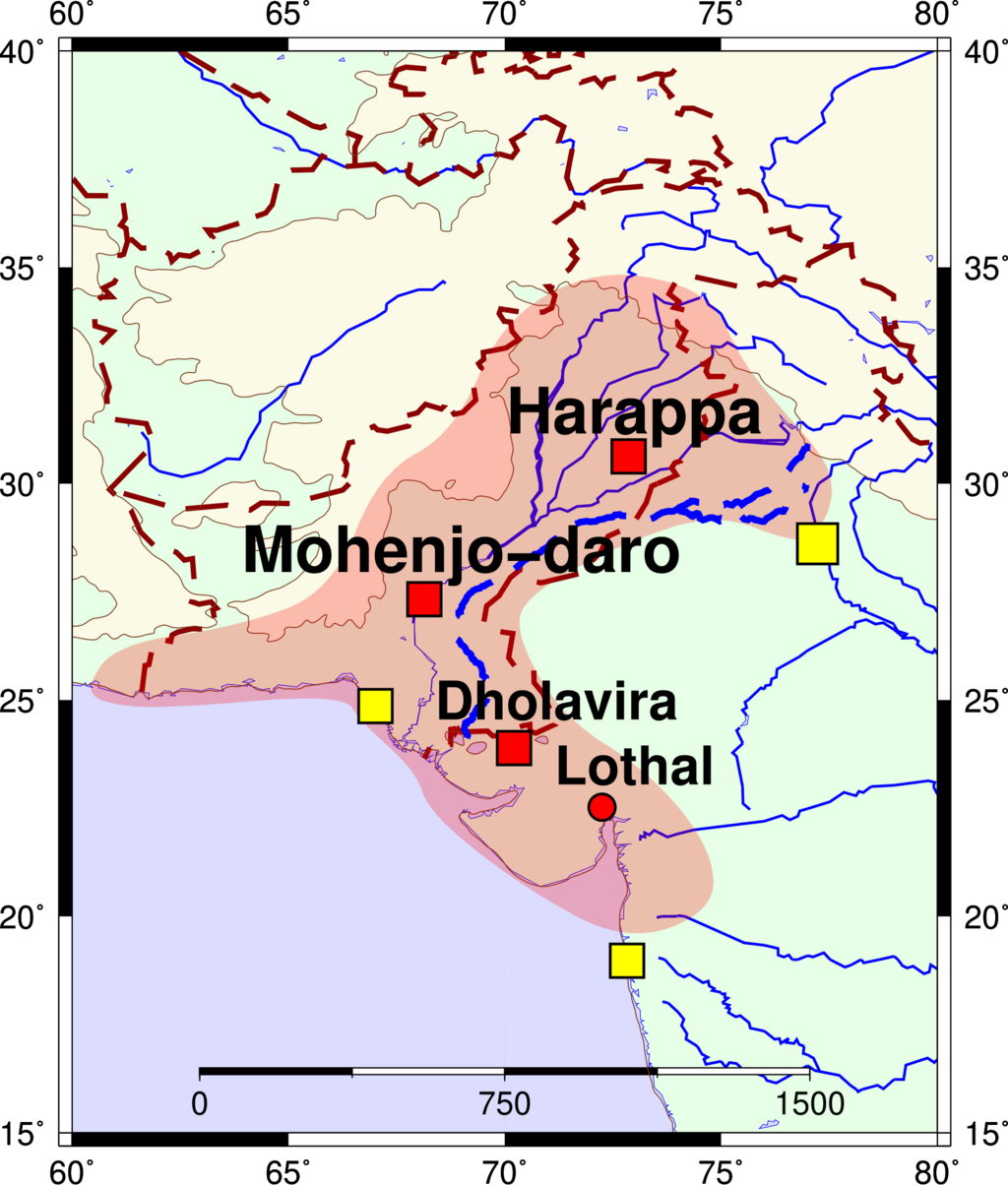
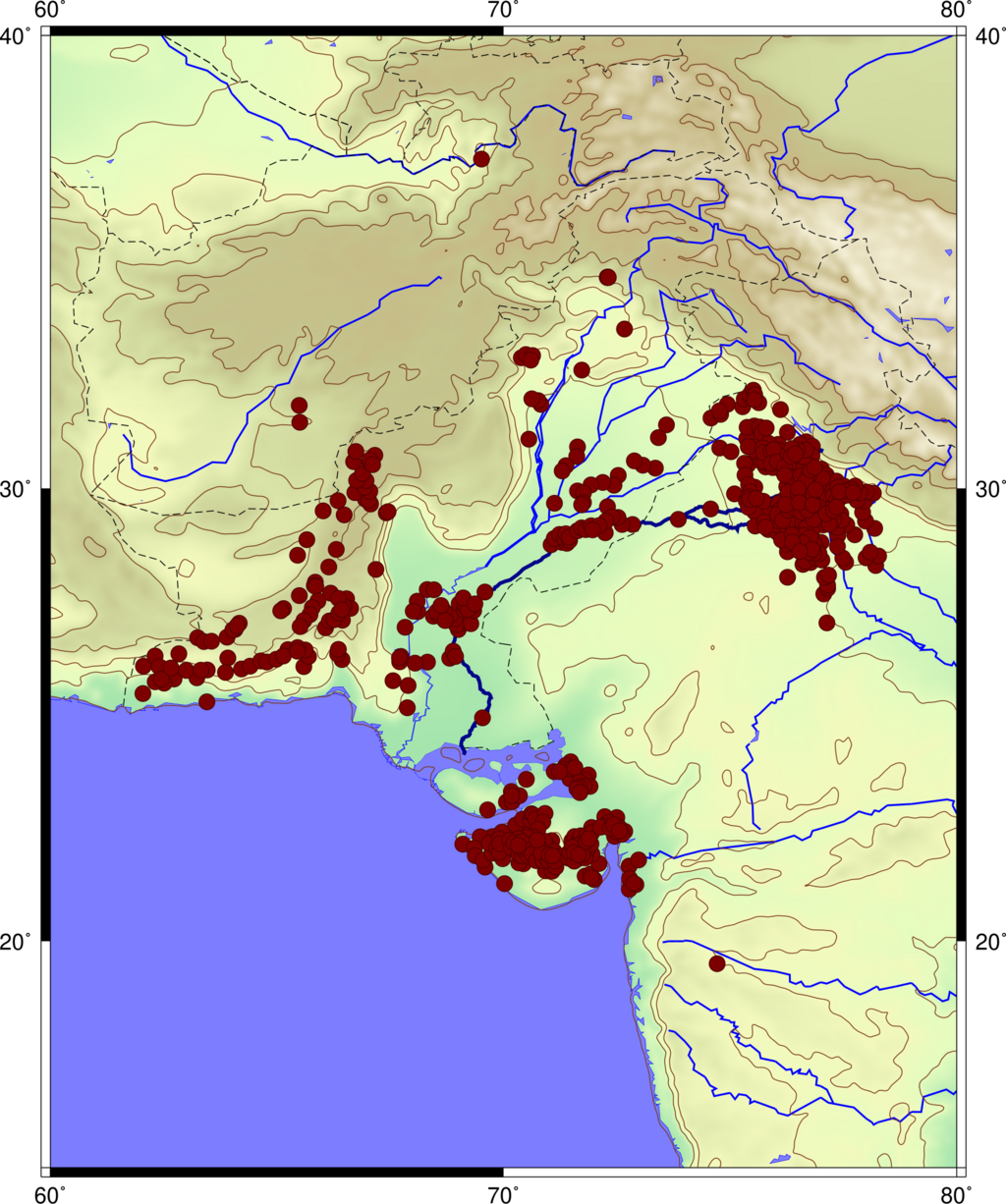
This civilization was vast, covering an area of over a million square kilometers in what is now Pakistan, Afghanistan, and northwest India. Unlike their contemporaries who built towering monuments to gods and kings, the people of the Indus Valley focused on creating remarkably well-organized cities for ordinary people. Two of the most famous excavated cities are Harappa and Mohenjo-daro.
These cities were marvels of urban planning. They were laid out on a grid system, with main streets running north-south and east-west. Buildings were made of standardized, baked bricks—a testament to their advanced engineering. Perhaps most impressive was their sophisticated water management system. Homes had bathrooms connected to a city-wide covered drainage network, a level of sanitation not seen again for thousands of years.
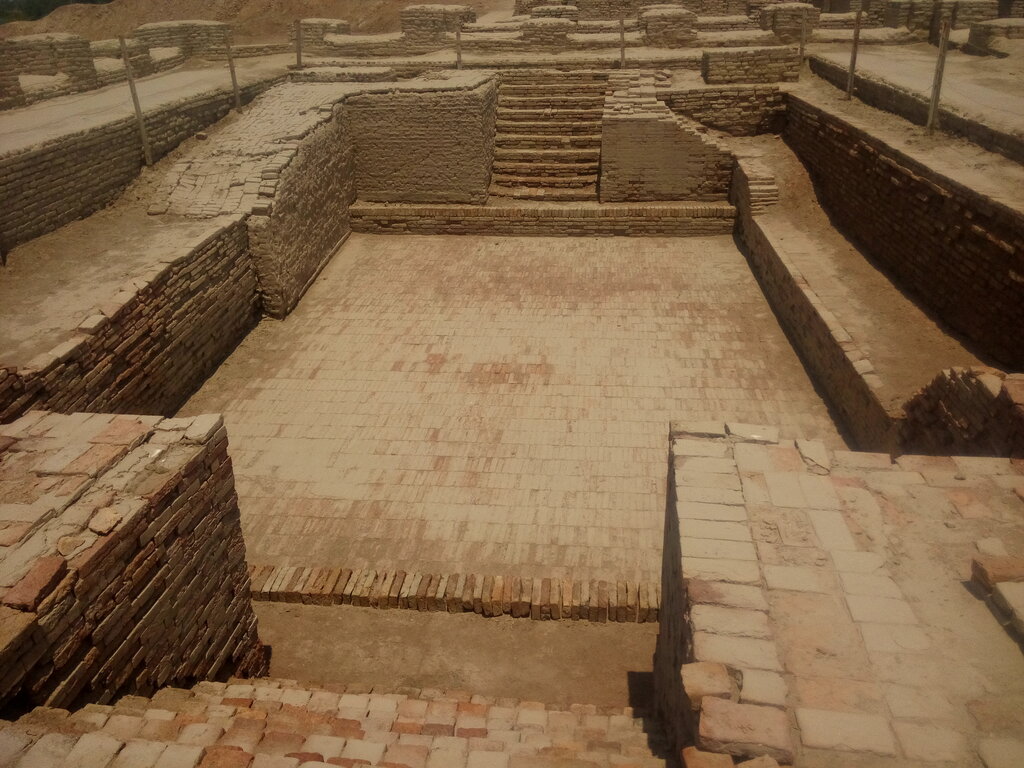
The cities of the Indus Valley were not just collections of buildings; they were carefully planned urban environments designed for public health and convenience.
Trade and Craft
The economy of the Indus Valley Civilization was built on agriculture and trade. Farmers grew wheat, barley, cotton, and dates, taking advantage of the fertile river plains. But it was their craftsmanship and extensive trade networks that set them apart.
Harappan artisans were skilled in pottery, weaving, and metallurgy. They worked with materials like terracotta, copper, and bronze. They also created intricate jewelry from carnelian, lapis lazuli, and gold. These goods weren't just for local use; they were traded far and wide.
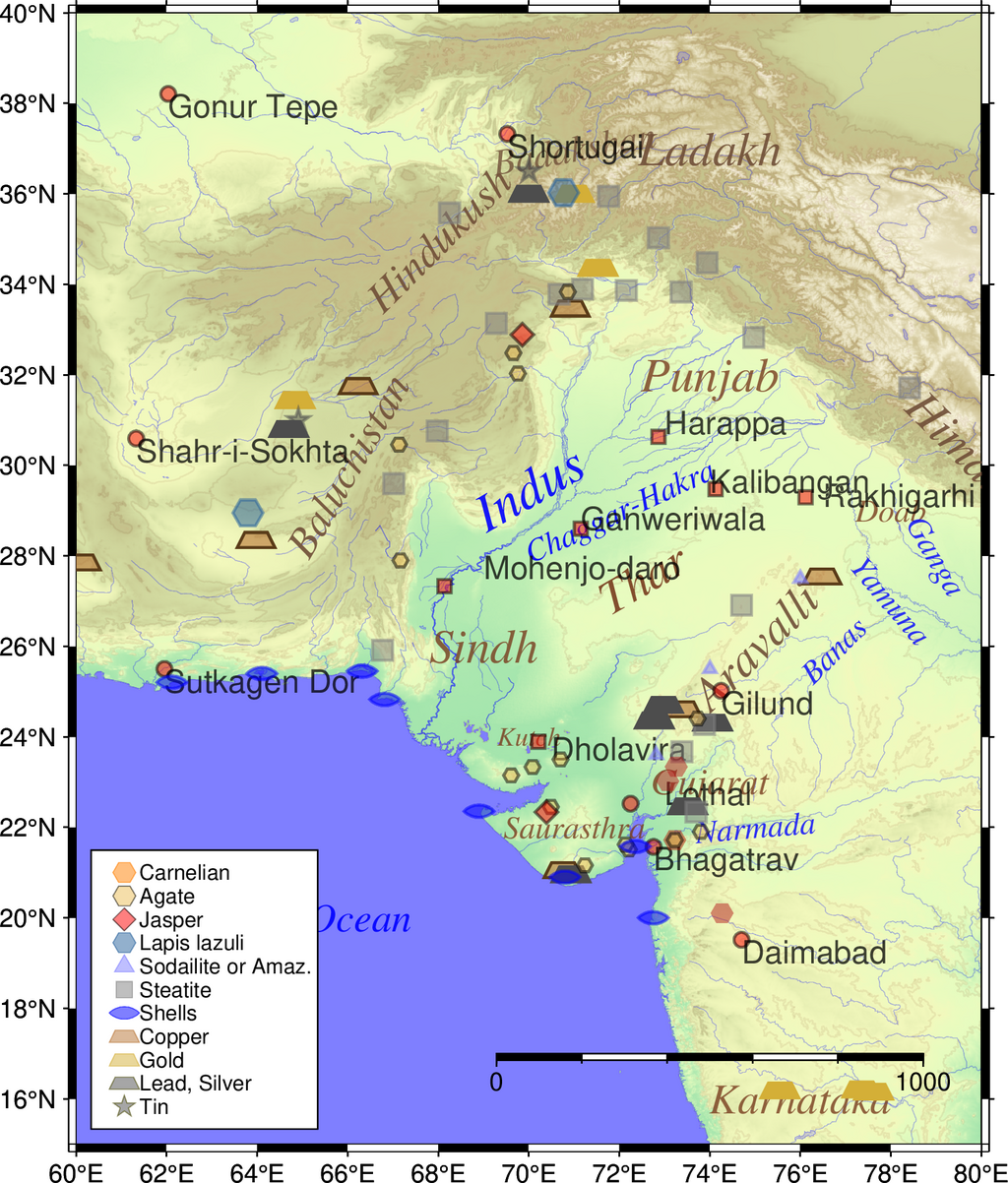
Archaeological evidence, like Harappan seals found in Mesopotamia (modern-day Iraq), shows they had maritime trade routes stretching across the Arabian Sea. They traded textiles, beads, and timber for metals and other raw materials. This trade was facilitated by a standardized system of weights and measures, which ensured fairness and consistency across their vast territory.
seal
noun
A small, carved object, typically made of steatite, used to stamp impressions onto clay. In the Indus Valley, these seals often featured animal motifs and a script that remains undeciphered.
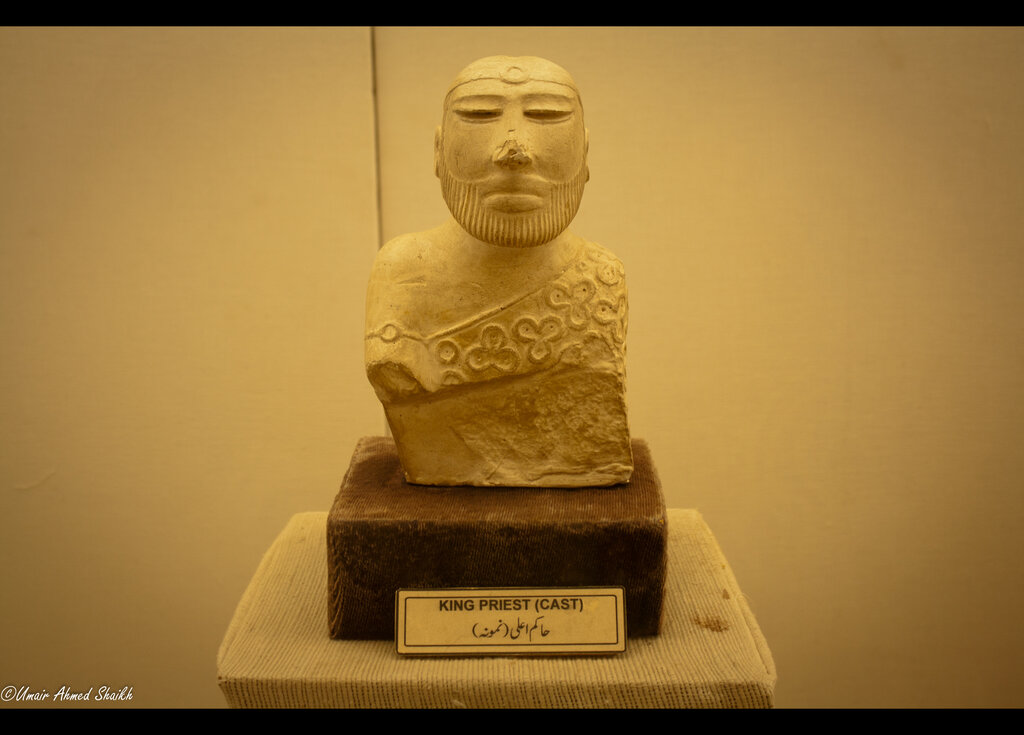
The most famous artifacts are these square steatite seals. They depict animals like bulls, elephants, and a mythical unicorn-like creature, alongside a script that scholars have yet to decipher. These seals, along with small terracotta figurines of animals and people, give us a small window into their culture and beliefs.
A Mysterious Decline
Around 1900 BCE, this thriving civilization began to decline. The great cities were gradually abandoned, and the population seemed to disperse into smaller, more rural settlements. The exact reasons for this collapse are still debated by historians and archaeologists.
There was no single cause, but likely a combination of factors. One leading theory is climate change. Shifts in monsoon patterns could have disrupted the delicate balance of the river systems that supported their agriculture. The Ghaggar-Hakra river, which once flowed through a major population center, dried up, forcing people to migrate.
Evidence suggests that environmental factors, rather than invasion or internal conflict, played the primary role in the decline of the Indus Valley Civilization.
Other possible factors include tectonic activity that may have altered river courses, a decline in long-distance trade, and the outbreak of infectious diseases in the dense urban centers. What is clear is that there is no evidence of a large-scale invasion or warfare that brought the civilization to a violent end. Instead, it seems to have slowly faded away, leaving behind the silent ruins of its once-great cities.
Let's review the key terms from this section.
Now, check your understanding of the Indus Valley Civilization.
The Indus Valley Civilization was primarily located in the region of which modern-day countries?
What was a distinctive feature of major Indus Valley cities like Mohenjo-daro and Harappa?
The legacy of the Indus Valley Civilization lies in its remarkable achievements in urban planning and its complex social organization, which continue to intrigue and inspire researchers today.