A Journey Through Indian History
Indus Valley Civilization
The First Cities of the Indus
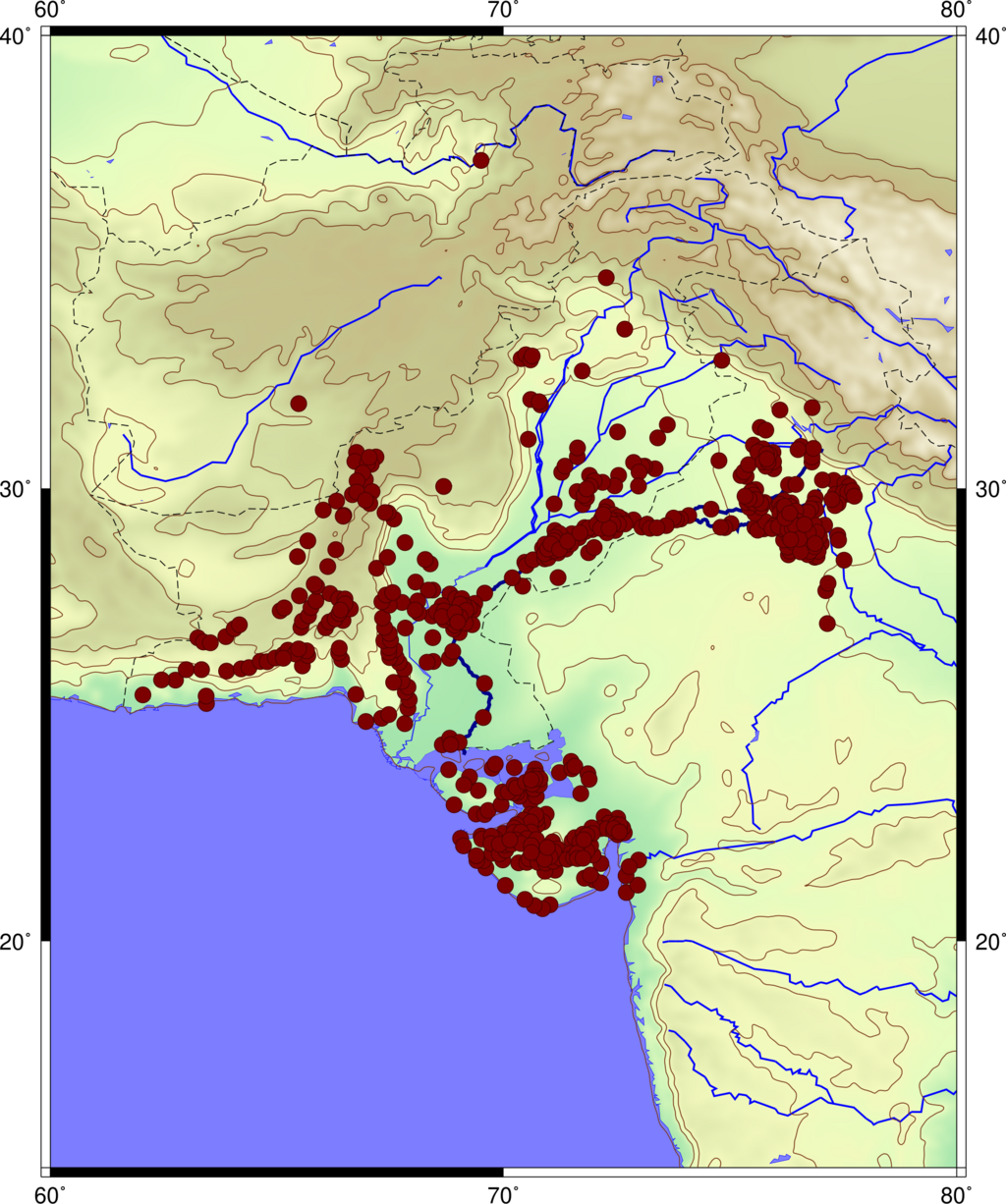
Long before the Roman Empire or the golden age of Greece, a sophisticated urban civilization was thriving in South Asia. Flourishing around 2500 BCE, the Indus Valley Civilization was one of the world's first great urban cultures. It spanned a vast area, covering parts of modern-day Pakistan and northwest India, centered around the Indus River and its tributaries.
The Indus Valley Civilization (IVC), also known as the Harappan Civilization, flourished in the northwestern regions of South Asia from approximately 3300 BCE to 1300 BCE.
Unlike the civilizations of Egypt or Mesopotamia, it didn't leave behind giant monuments to powerful kings or gods. Instead, its legacy lies in the remarkable organization and planning of its cities. The two most famous are Harappa and Mohenjo-daro, which serve as windows into this ancient world.
Masters of Urban Planning
The cities of the Indus Valley were marvels of engineering. They were built on planned grid systems, with streets crossing at right angles. Buildings were constructed with standardized, baked bricks, a testament to their advanced manufacturing and organization.
This careful planning extended to their water management. Mohenjo-daro, for example, had an incredibly sophisticated drainage system. Covered drains ran alongside the streets, collecting wastewater from homes. Many houses had their own private wells and bathrooms, a level of convenience not seen again for thousands of years.
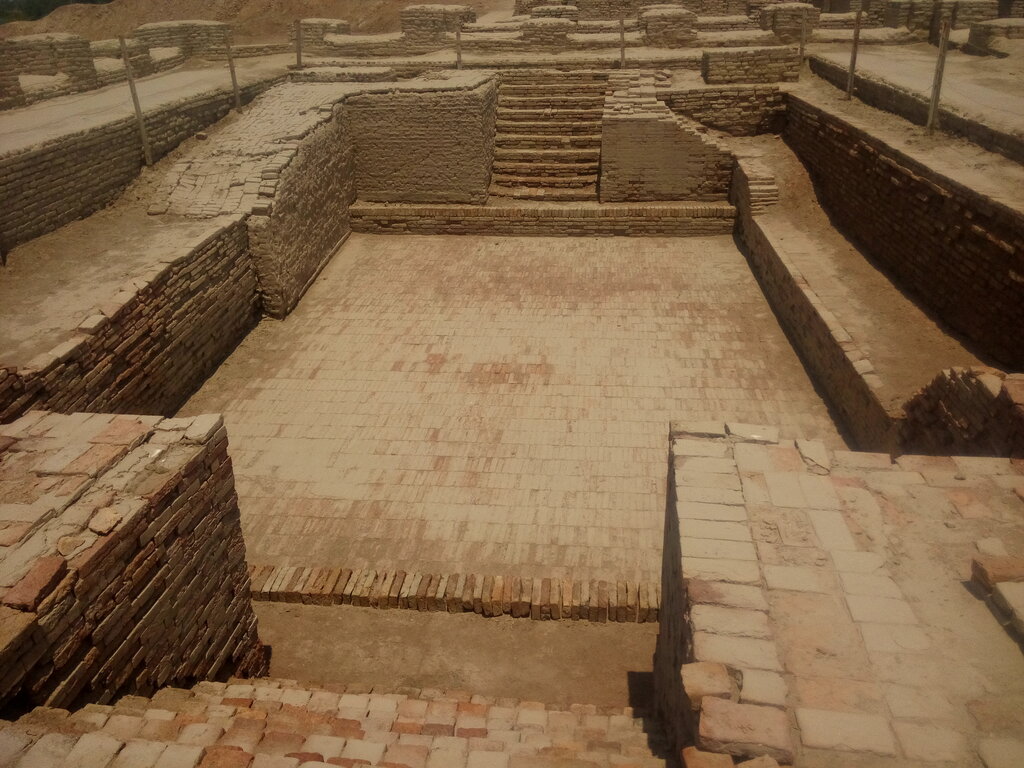
The centerpiece of Mohenjo-daro is the "Great Bath," a large, waterproofed brick structure that was likely used for public bathing or religious ceremonies. Its construction demonstrates a masterful understanding of hydrology and architecture.
The sanitation system of the Indus Valley Civilization was among the most sophisticated of the ancient world.
Life and Livelihood
The society of the Indus Valley appears to have been relatively peaceful and egalitarian. Archaeologists have found no evidence of large palaces, elaborate royal tombs, or standing armies. The cities were hubs of industry and trade, not just administrative centers.
The economy was based on agriculture, with farmers growing wheat, barley, and cotton. But it was trade that connected the civilization to the wider world. Indus seals and beads have been found as far away as Mesopotamia (modern-day Iraq), indicating a thriving network of exchange by land and sea.
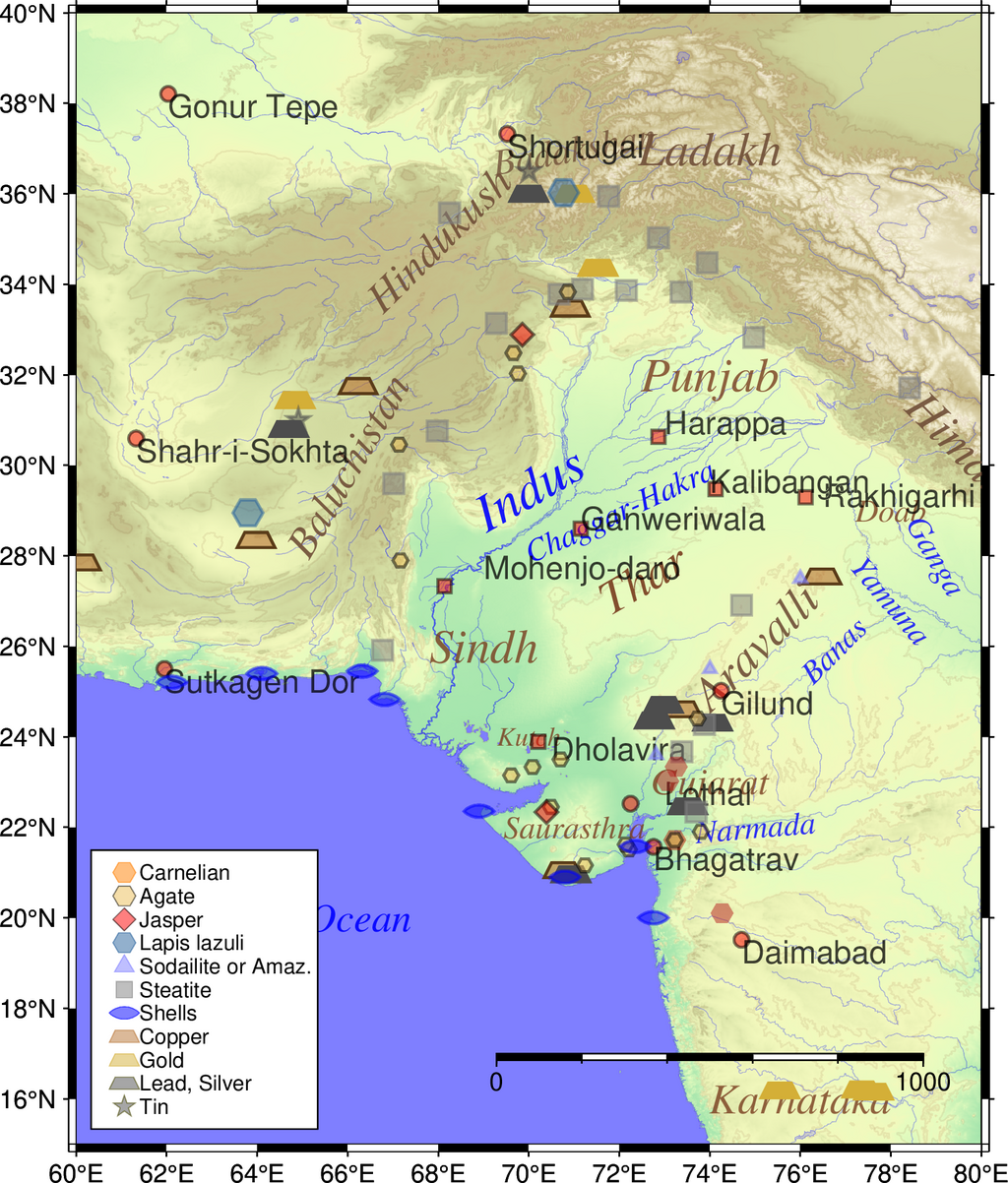
Craftsmen produced a wide range of goods, including pottery, jewelry made from carnelian and lapis lazuli, and intricate seals carved from steatite. These small, square seals are one of the most distinctive artifacts of the civilization.
An Unsolved Mystery
Despite all we know, the Indus Valley Civilization holds deep mysteries. The biggest one is its script. The people of the Indus Valley had a system of writing, found on thousands of small seals, pottery, and other artifacts. However, no one has been able to decipher it.
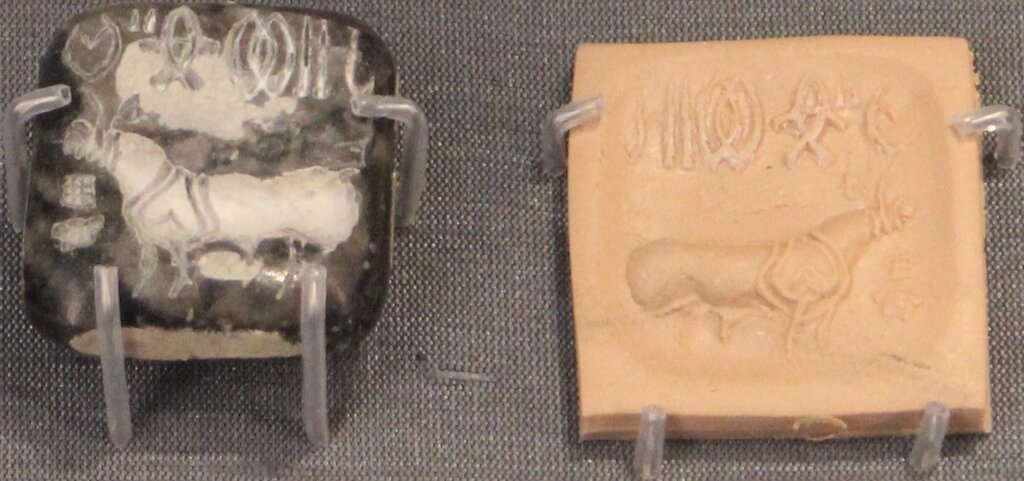
The challenge lies in the fact that the inscriptions are very short, usually only a few symbols long. Without a longer text or a bilingual key (like the Rosetta Stone for Egyptian hieroglyphs), the script remains a locked door to understanding their language and beliefs.
Another great mystery is the civilization's decline. Around 1900 BCE, the great cities began to be abandoned. The reasons are still debated. Leading theories point to environmental factors, such as a shift in monsoon patterns that dried up the Ghaggar-Hakra river, a vital water source. Other possibilities include invasion, disease, or internal social breakdown. It was likely a combination of factors that led to the end of this remarkable urban era.
Though the cities crumbled, the legacy of the Indus Valley Civilization didn't disappear entirely. Some of its traditions, technologies, and possibly even religious beliefs may have been absorbed by the cultures that followed, influencing the long-term development of the Indian subcontinent.
Ready to test your knowledge?
What are the two most famous and well-studied cities of the Indus Valley Civilization?
Archaeological evidence, such as the discovery of Indus Valley seals in modern-day Iraq, points to a trade network with which ancient civilization?
The Indus Valley Civilization offers a fascinating glimpse into an early urban society that was highly organized, technologically advanced, and enigmatic in its ultimate fate.